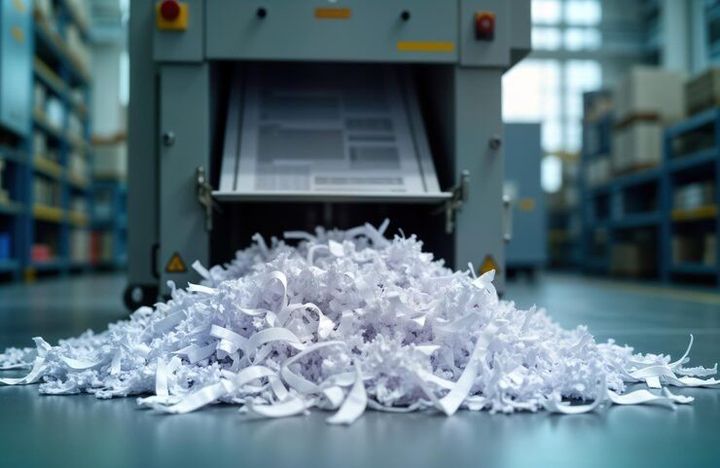
Paper Recycling Machines Guide: Working Principles, Systems, Applications and Key Features
Paper recycling machines are equipment systems used to turn recovered paper into usable fiber and, in many facilities, into new paper products. The process begins with discarded material such as office paper, newspapers, cardboard, cartons, and production trimmings. Instead of sending suitable paper directly to disposal facilities, a recycling line separates, cleans, processes, and prepares the fibers for another manufacturing cycle.
Context
Paper recycling machines are equipment systems used to turn recovered paper into usable fiber and, in many facilities, into new paper products. The process begins with discarded material such as office paper, newspapers, cardboard, cartons, and production trimmings. Instead of sending suitable paper directly to disposal facilities, a recycling line separates, cleans, processes, and prepares the fibers for another manufacturing cycle.
The idea of paper recycling is based on recovering cellulose fibers from used paper. A paper recycling machine may perform one stage, such as shredding or pulping, or form part of a complete line. The exact arrangement depends on the type of incoming paper, the required fiber quality, the intended paper product, and the amount of material being processed.
Where recycled paper processing begins
Recovered paper normally arrives with a mixture of paper grades and unwanted materials. Sorting is therefore an important first step. Large pieces may be separated manually or mechanically, while screens, cleaners, and other equipment remove contaminants during later stages.
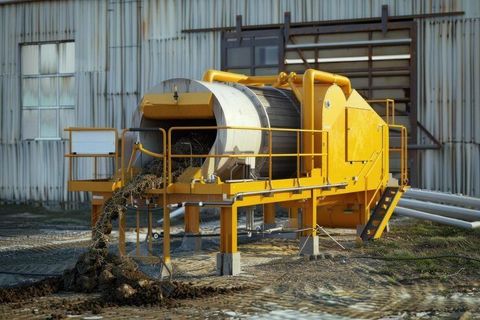
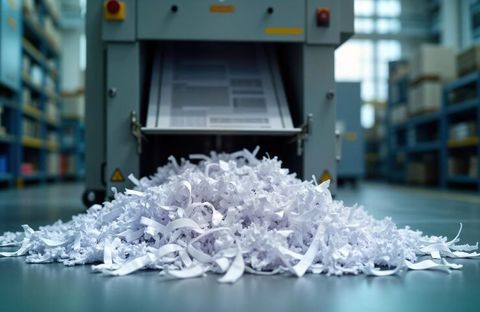
A typical paper recycling system can include conveyors, bale breakers, shredders, pulpers, screens, cleaners, de-inking equipment, thickening units, refining equipment, and a paper machine. Not every facility uses all of these components because the process changes with the feedstock and final product.
Importance
Paper recycling matters because discarded paper is a common component of dry recyclable waste. Keeping suitable paper separate from wet or contaminated waste can make later recovery and processing more practical. In India, the current solid waste framework places paper within the dry-waste stream and directs dry recyclables toward material recovery and recycling pathways.
The topic affects households, offices, schools, retailers, warehouses, printing facilities, municipalities, and paper manufacturers. Poor separation can introduce food residue, plastic, metal, coatings, adhesives, and other materials into a paper stream, reducing its suitability for further processing.
Problems addressed by recycling systems
Paper recycling machines help address several practical processing challenges:
- Size reduction: Large or compacted paper can be prepared for controlled processing.
- Fiber separation: Pulpers break paper down in water so cellulose fibers can be recovered.
- Contaminant removal: Screens and cleaners separate unwanted particles from usable fiber.
- Ink removal: De-inking systems can reduce printing ink when the intended paper grade requires it.
- Fiber preparation: Refining adjusts fiber characteristics before papermaking.
- Water management: Recycling lines commonly include systems for clarification, reuse, and treatment of process water.
Recycling does not mean that every piece of paper can be processed in the same way. Thermal coatings, plastic layers, heavy adhesives, wet-strength additives, and contamination can affect the suitable process. Paper fibers also become shorter after repeated recycling, so recovered fiber is often combined with other fiber sources according to the requirements of the final product.
Common paper inputs
| Paper input | Typical preparation | Possible processing route |
|---|---|---|
| Office paper | Sorting and contaminant removal | Pulping and possible de-inking |
| Newspapers | Sorting and screening | Pulping and de-inking |
| Corrugated cardboard | Bale opening and screening | Pulping and fiber cleaning |
| Mixed paper | Sorting and contaminant removal | Pulping with additional cleaning |
| Paper mill trimmings | Size reduction or direct pulping | Fiber recovery and reuse |
Recent Updates
From 2024 through 2026, paper recycling in India has been influenced by a broader move toward source segregation, material recovery, circular resource use, and digital monitoring. The Ministry of Environment, Forest and Climate Change published draft Solid Waste Management Rules in 2024, followed by the notification of the Solid Waste Management Rules, 2026. The 2026 rules supersede the 2016 framework and came into effect from April 2026.
One notable change is mandatory four-stream segregation at source. Paper is included in dry waste alongside materials such as plastic, metal, glass, wood, and rubber. The framework directs dry waste toward Material Recovery Facilities for sorting and recycling, creating a clearer connection between collection, sorting, and downstream recycling systems.
The 2024 policy period also included a draft framework for Extended Producer Responsibility covering packaging made from paper, glass, and metal, along with certain sanitary products. The draft was intended to strengthen post-consumer material recovery and recycling, while specific obligations should be checked against the latest government notifications before being applied.
Technology trends are also moving toward better sorting, contaminant control, water management, process monitoring, and automation. These developments are relevant because recycled-fiber quality depends not only on pulping but also on how accurately unwanted materials are removed before and during processing.
How a paper recycling machine works
A general recycling sequence can be understood in several stages:
- Collection and sorting: Recovered paper is separated by grade and inspected for unsuitable materials.
- Preparation: Bales or loose material are opened, conveyed, and reduced or conditioned as required.
- Pulping: Paper is mixed with water and agitated so the fibers separate into a pulp suspension.
- Screening and cleaning: Screens remove oversized particles, while cleaners separate contaminants based on physical characteristics.
- De-inking: Where needed, flotation or washing processes help separate ink particles from fibers.
- Thickening and refining: Water is removed to adjust consistency, while refining changes fiber properties for the intended paper grade.
- Sheet formation: The prepared pulp is distributed onto a forming section, where water drains and a fiber web develops.
- Pressing and drying: Mechanical pressing removes additional water, followed by controlled drying to produce a paper sheet.
The order and number of stages vary. A cardboard-focused line may use fewer de-inking stages than a line processing printed office paper.
Laws or Policies
In India, paper recycling is affected by the national solid waste framework and environmental requirements that may apply to specific facilities. The Solid Waste Management Rules, 2026, notified under the Environment (Protection) Act, 1986, apply broadly to urban and rural local bodies and many types of waste generators. They require segregation into wet, dry, sanitary, and special-care streams.
For paper, the dry-waste classification is particularly relevant. The rules establish responsibilities around segregation, collection, processing, and reporting, while the Central Pollution Control Board provides digital infrastructure and guidance for implementation. Bulk waste generators can have additional responsibilities depending on applicable thresholds and circumstances.
Facilities involved in paper processing may also need to consider consent, pollution-control requirements, wastewater management, air-emission controls, solid-residue handling, and state-level requirements. Pulp and paper operations have specific wastewater standards under India's environmental framework, including standards for waste-paper-based paper production.
Because regulatory requirements can vary by facility type, capacity, location, and process, the current notifications of the Ministry of Environment, Forest and Climate Change and the applicable State Pollution Control Board should be consulted before establishing or modifying a recycling facility.
Tools and Resources
Several resources can help readers understand paper recycling systems and the rules surrounding them.
Government information sources
The Central Pollution Control Board's Solid Waste Management portal provides information related to the 2026 rules, source segregation, dry waste, Material Recovery Facilities, and implementation.
The Ministry of Environment, Forest and Climate Change maintains a rules and regulations section containing environmental notifications and amendments. It is useful for checking whether a rule is a draft, notified, amended, or superseded.
Practical process tools
A basic material-flow worksheet can help map a recycling line from incoming paper to recovered fiber and residual material. A simple checklist may include paper grade, moisture, visible contamination, plastic content, adhesive content, ink load, pulp consistency, screening stages, water use, and final fiber quality.
For equipment planning, process-flow diagrams and mass-balance calculations are useful for understanding how much incoming paper moves through each stage. These tools can also help identify where rejects, recovered fiber, process water, and residual materials are generated.
FAQs
What is a paper recycling machine?
A paper recycling machine is equipment used to process recovered paper into reusable fiber or prepare that fiber for papermaking. Depending on the system, it may include pulping, screening, cleaning, de-inking, thickening, refining, forming, pressing, and drying stages.
How does a paper recycling machine work?
A typical paper recycling machine system sorts and prepares recovered paper, mixes it with water during pulping, removes contaminants through screening and cleaning, and may use de-inking when required. The prepared fiber can then be refined and formed into new paper.
What types of paper can be processed in paper recycling systems?
Common inputs include office paper, newspapers, magazines, cardboard, cartons, and paper production trimmings. The suitable process depends on fiber type, coatings, adhesives, moisture, ink, and other contaminants.
Why is paper sorting important before recycling?
Sorting helps keep incompatible materials out of the paper stream. Better separation can make downstream pulping, screening, cleaning, and de-inking more consistent and can reduce the amount of material that becomes residual waste.
What are the main parts of a paper recycling system?
Common components include conveyors, bale breakers, pulpers, screens, cleaners, de-inking units, thickening equipment, refiners, pumps, water-treatment equipment, and paper-forming and drying sections. A particular facility may use only some of these components.
Conclusion
Paper recycling machines combine mechanical, water-based, and fiber-processing stages to recover usable cellulose from discarded paper. The process commonly includes sorting, pulping, screening, cleaning, optional de-inking, fiber preparation, sheet formation, pressing, and drying. In India, the 2026 solid waste framework places paper in the dry-waste stream and strengthens source segregation and material recovery requirements.