Oil Drilling Rigs Guide: Land Rigs, Offshore Rigs, Components, Uses and Working Principles
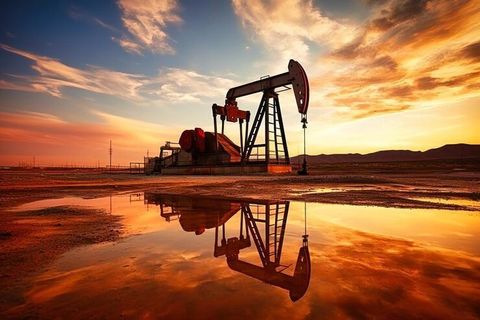
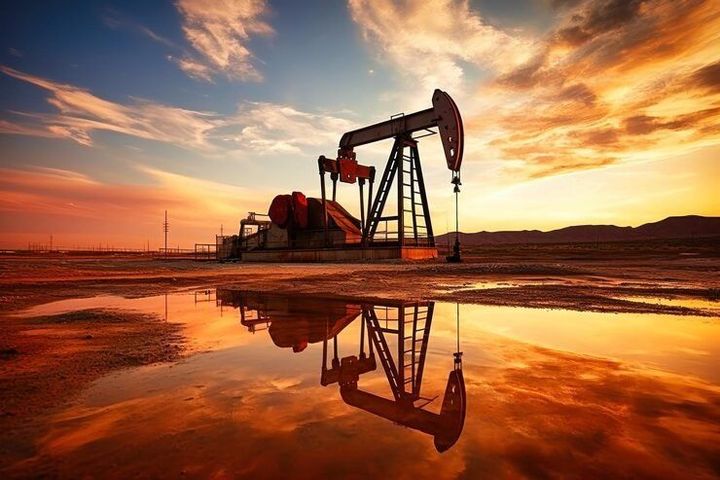
Oil drilling rigs are large mechanical systems used to create wells through layers of rock and soil to reach underground oil or natural gas reservoirs. They are designed for different environments, including land areas and offshore locations. An oil drilling rig combines equipment for lifting, rotating, circulating drilling fluid, controlling pressure, and supporting the drill string. Understanding land rigs, offshore rigs, components, uses, and working principles helps explain how modern wells are created and managed.
What Is an Oil Drilling Rig?
An oil drilling rig is a collection of machines and structures assembled around a well location. Its main purpose is to rotate a drill bit and move it downward while maintaining control over the well. Drilling may continue through several layers of rock before the target formation is reached.
The basic idea of drilling has existed for centuries, but modern rigs developed through advances in mechanical engineering, metallurgy, hydraulics, electronics, and geological exploration. Today's systems can be designed for shallow or deep wells and for locations ranging from remote land areas to deep-water environments.
Land Rigs and Offshore Rigs
Land rigs are installed on land and can be configured for different ground conditions and drilling depths. Some are relatively compact and mobile, while larger systems require substantial transportation and site preparation.
Offshore rigs operate in marine environments. Common types include jack-up rigs, semi-submersible rigs, and drillships. Their designs account for water depth, waves, wind, currents, marine conditions, and the need to maintain a stable position over the well.
| Rig Type | Typical Location | Main Characteristic |
|---|---|---|
| Land rig | Onshore areas | Installed on a prepared land site |
| Jack-up rig | Shallow offshore areas | Uses legs to support the structure above the seabed |
| Semi-submersible rig | Offshore areas | Floating structure stabilized by submerged pontoons |
| Drillship | Deep-water areas | Drilling equipment installed on a specialized vessel |
Why Different Rig Designs Exist
No single rig configuration is suitable for every drilling environment. A land rig needs mobility and ground support, while an offshore rig must deal with water depth and changing sea conditions.
The selected design also depends on well depth, geological conditions, drilling pressure, transportation requirements, and environmental conditions. These factors influence the equipment arrangement and operating procedures.
Importance
Role in Energy Exploration
Oil drilling rigs play an important role in exploring underground geological formations. Before drilling begins, geological surveys and other exploration methods help identify areas that may contain hydrocarbons.
A drilling operation provides a physical path into the subsurface. Information gathered during drilling can help geologists understand rock layers, pressure conditions, fluids, and the characteristics of the formation.
Safety and Environmental Considerations
Drilling involves heavy machinery, high mechanical loads, rotating equipment, pressurized fluids, and potentially combustible hydrocarbons. For this reason, well control, fire protection, equipment inspection, emergency preparation, and environmental management are important parts of drilling operations.
Offshore drilling also requires attention to marine pollution prevention and emergency response. In India, the Oil Industry Safety Directorate, or OISD, oversees several aspects of safety for offshore exploration and production activities.
How a Rig Addresses Drilling Challenges
A modern rig combines several systems so that drilling can continue while the well remains controlled. Major functions include:
- Supporting the drill string and related equipment
- Rotating the drill bit
- Circulating drilling fluid
- Removing drilled rock from the well
- Controlling pressure within the well
- Installing and supporting casing
- Monitoring drilling conditions
- Providing emergency and fire protection systems
These functions work together rather than operating as isolated machines.
Recent Updates
Changes in Rig Safety Standards
Drilling technology and safety practices continue to evolve. OISD's current standards list includes updates covering well control, drilling-rig derrick-floor operations, electrical safety on onshore and offshore drilling rigs, and environmental management. Several of these editions were revised during 2024–2026.
For example, OISD lists its Well Control standard as a June 2024 edition and its standard for safety in derrick-floor operations on onshore and offshore drilling rigs as a June 2025 edition. Its electrical-safety standard for onshore and offshore drilling and workover rigs is listed with an August 2026 edition.
Greater Use of Monitoring and Automation
Modern drilling systems increasingly use electronic monitoring, automated controls, sensors, data collection, and computerized equipment management. These technologies can provide operators with more information about pressure, equipment condition, drilling parameters, and operating conditions.
Automation does not remove the need for trained personnel and established safety procedures. Instead, it can provide additional information and control capabilities within a larger drilling system.
Environmental Management
Environmental considerations have also become an important part of drilling operations. OISD's current standards list includes guidance covering oil-spill contingency planning and environmental management in the oil and gas industry.
Laws or Policies
Indian Regulatory Framework
In India, oil and gas drilling activities are affected by several laws, regulations, technical standards, and government authorities. The regulatory framework varies depending on whether operations take place onshore or offshore and on the specific activity being conducted.
The Petroleum & Natural Gas (Safety in Offshore Operations) Rules, 2008 provide a framework for safety in offshore exploration, drilling, production, and related activities. OISD is designated as the competent authority for functions under these rules and carries out activities such as safety audits, investigations, verifications, and oversight of offshore installations.
Oil Mines Regulations and OISD Standards
The Oil Mines Regulations, 2017 incorporate a number of OISD standards. These include standards and recommended practices concerning well control, fire-fighting equipment for drilling rigs, electrical safety, hazardous chemicals, inspection, and other operational areas.
Not every OISD document automatically has the same legal status. OISD states that standards cited in applicable statutory regulations have mandatory effect, while other standards, guidelines, and recommended practices may apply according to the relevant installation and activity.
Tools and Resources
Drilling Reference Materials
Readers researching oil drilling rigs can use technical standards, regulatory documents, drilling manuals, geological references, and educational material from government agencies. These resources can help explain drilling terminology and the differences between land and offshore operations.
The OISD website provides standards, guidelines, recommended practices, safety information, regulatory material, case studies, and other industry resources. Its website also provides a search facility for locating documents by standard number or subject.
Common Technical Tools
Several types of tools are used when planning, monitoring, or studying drilling operations:
- Well-depth and drilling-parameter calculators
- Pressure and fluid-volume calculations
- Geological and formation-data software
- Rig monitoring systems
- Well-control reference materials
- Equipment inspection checklists
- Safety audit templates
- Environmental monitoring records
These resources serve different purposes. A drilling calculator may help with a specific engineering calculation, while a regulatory document explains applicable requirements.
Main Rig Components
An oil drilling rig contains many interconnected components. Important systems include the mast or derrick, drawworks, top drive or rotary table, drill string, drill bit, mud pumps, mud tanks, blowout preventer, power systems, and well-control equipment.
The derrick or mast provides vertical support. The hoisting system moves heavy drilling equipment, while the rotary or top-drive system provides rotation. Drilling fluid is circulated through the pumps and surface equipment to support the drilling process.
FAQs
What is an oil drilling rig?
An oil drilling rig is a system of mechanical structures and equipment used to drill a well into the ground or seabed. It supports drilling, hoisting, fluid circulation, monitoring, and well-control activities.
What are the main types of oil drilling rigs?
The main categories include land rigs and offshore rigs. Offshore designs include jack-up rigs, semi-submersible rigs, and drillships, with each configuration intended for particular marine conditions.
How does an oil drilling rig work?
A drill bit is rotated and pushed downward through the formation. Drilling fluid circulates through the drill string and returns to the surface, carrying drilled material while helping manage pressure and temperature.
What are the main components of an oil drilling rig?
Major components include the mast or derrick, drawworks, top drive or rotary table, drill string, drill bit, mud pumps, mud tanks, power systems, and well-control equipment.
How are offshore drilling rigs regulated in India?
Offshore drilling safety in India is governed in part by the Petroleum & Natural Gas (Safety in Offshore Operations) Rules, 2008. OISD acts as the competent authority under these rules and conducts oversight activities including audits and safety verification.
Conclusion
Oil drilling rigs are complex systems designed to create and control wells in different geological and environmental conditions. Land rigs and offshore rigs use different configurations because their operating environments have different requirements. Major components such as the drilling system, hoisting equipment, fluid-circulation system, power equipment, and well-control equipment work together during drilling. In India, drilling activities are supported by laws, regulations, and OISD standards covering safety, environmental management, equipment inspection, and well control.