Noise Control Equipment Guide: Soundproofing Methods, Applications, Features and Maintenance
Noise control equipment refers to tools, materials, and systems designed to reduce, block, absorb, or manage unwanted sound. Noise can come from machinery, vehicles, construction activities, ventilation systems, generators, manufacturing processes, and many other sources. Soundproofing methods are used in buildings and industrial spaces to limit how much sound travels between areas.
The basic idea behind noise control is to understand how sound moves and then apply a suitable method. Some materials absorb sound within a room, while barriers block sound from moving into another space. Other systems reduce vibration at the source so that less sound is created in the first place.
Noise control equipment can include acoustic panels, sound barriers, vibration isolation mounts, silencers, enclosures, acoustic doors, machine covers, and duct treatments. The appropriate approach depends on the sound source, frequency, room layout, operating conditions, and required noise level.
Importance
Uncontrolled noise can affect homes, workplaces, schools, hospitals, transportation areas, and industrial facilities. Continuous or high-level sound may make communication difficult, interfere with concentration, disturb sleep, and create an uncomfortable environment. In industrial settings, noise can also make it harder for workers to hear alarms, instructions, or warning signals.
Noise control is therefore connected with both environmental conditions and workplace safety. It can also help reduce sound transmission between rooms or from machinery into nearby areas.
Common applications
Noise control equipment is used in many settings, including:
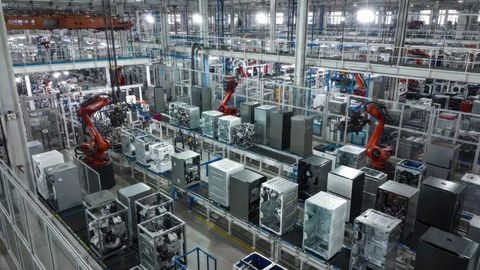
- Manufacturing plants with rotating, cutting, pressing, or grinding machinery
- Offices where speech and equipment noise need to be managed
- Residential buildings near roads or commercial areas
- Hospitals and healthcare facilities where quieter environments are important
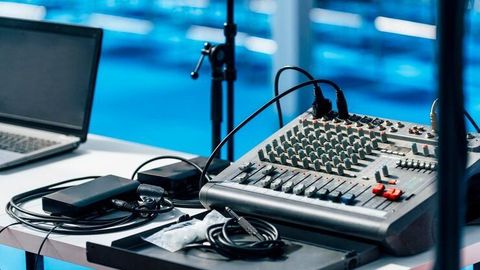
- Recording, broadcasting, and entertainment spaces
- HVAC and ventilation systems
- Generator rooms and mechanical rooms
- Construction areas and temporary work zones
- Transportation facilities and vehicle-related environments
The purpose differs between applications. A machine enclosure may be designed to contain sound around a specific source, while an acoustic wall may be used to limit sound traveling across a larger area.
Soundproofing and sound absorption
Soundproofing and sound absorption are related but different concepts. Soundproofing focuses on reducing sound transmission from one area to another. It commonly uses dense barriers, sealed openings, separated structures, and other construction techniques.
Sound absorption reduces reflected sound inside a room. Materials such as acoustic panels and mineral-based absorbers can help reduce echoes and reverberation. A room may require both approaches when sound needs to be controlled inside the space and prevented from reaching adjacent areas.
Recent Updates
Noise control practices have increasingly focused on measurement, source reduction, energy efficiency, and integrated building design. Modern facilities may combine acoustic materials with vibration isolation, mechanical controls, equipment enclosures, and continuous monitoring.
Digital sound meters and monitoring systems have also become more accessible for environmental and workplace assessments. These tools can record sound levels over time and help identify periods when noise changes significantly.
Current equipment trends
Recent noise control developments commonly include:
- Modular acoustic enclosures for machinery
- Improved vibration isolation systems
- Acoustic treatments designed for specific frequency ranges
- Noise barriers for transportation and construction environments
- Digital sound-level monitoring
- Computer-based acoustic modeling during building design
- Low-noise ventilation and mechanical equipment
- Combination systems that address airborne and structure-borne sound
Another developing area is predictive maintenance for equipment that produces noise. Changes in vibration or sound patterns can sometimes indicate mechanical changes such as imbalance, looseness, or worn components. Monitoring can therefore become part of a broader equipment maintenance program.
Choosing based on sound characteristics
Noise is not a single type of sound. Low-frequency noise from large rotating machinery can behave differently from high-frequency noise produced by compressed air or certain cutting operations. Because of this, equipment selection generally depends on measured sound characteristics rather than simply the overall loudness.
| Noise source | Common control approach | Main purpose |
|---|---|---|
| Rotating machinery | Isolation mounts and enclosure | Reduce vibration and airborne sound |
| HVAC equipment | Duct treatment and acoustic lining | Limit transmitted mechanical noise |
| Generators | Acoustic enclosure and exhaust silencer | Reduce equipment and exhaust noise |
| Road traffic | Barriers and building insulation | Limit outdoor sound transmission |
| Manufacturing equipment | Enclosures and vibration control | Contain source-related noise |
| Air movement systems | Silencers and duct treatment | Reduce airflow-related sound |
Laws or Policies
In India, environmental noise is regulated under the Noise Pollution (Regulation and Control) Rules, 2000. The Central Pollution Control Board lists ambient noise limits for industrial, commercial, residential, and silence zones. The limits are expressed in dB(A) Leq, which represents a time-weighted average sound level.
| Area category | Day limit | Night limit |
|---|---|---|
| Industrial | 75 dB(A) | 70 dB(A) |
| Commercial | 65 dB(A) | 55 dB(A) |
| Residential | 55 dB(A) | 45 dB(A) |
| Silence Zone | 50 dB(A) | 40 dB(A) |
Under the rules, daytime is defined as 6:00 a.m. to 10:00 p.m., while nighttime is 10:00 p.m. to 6:00 a.m. State authorities categorize areas into the applicable zones and are responsible for implementing noise control measures.
The rules also address loudspeakers and public address systems. Written permission is generally required, and their use is restricted during nighttime hours, subject to specified provisions and state-level conditions. Areas around hospitals, educational institutions, and courts may also be declared silence zones.
For workplaces, occupational safety requirements can also apply depending on the activity and workplace. India's Occupational Safety, Health and Working Conditions framework contains provisions relating to factories, workplace conditions, and occupational safety. The Ministry of Labour and Employment lists the Occupational Safety, Health and Working Conditions rules and related materials as part of its current labour-code framework.
Local requirements may vary by state, municipality, facility type, and industry. Therefore, environmental and workplace noise assessments may need to consider both national requirements and applicable local provisions.
Tools and Resources
Several tools can help people understand and monitor noise conditions. A sound level meter measures sound pressure levels in decibels and can provide readings at different locations. Smartphone applications can also provide approximate readings, although their accuracy can vary according to the device, microphone, calibration, and application.
Useful measurement resources
Common resources include:
- Sound level meters for direct noise measurements
- Frequency analyzers for examining different sound ranges
- Vibration meters for identifying mechanical vibration
- Acoustic calculators for estimating basic sound transmission
- Building-acoustic worksheets for room planning
- CPCB resources covering Indian noise standards and monitoring
- Manufacturer technical documentation for acoustic materials and equipment
- Workplace noise assessment records for tracking changes over time
A useful assessment normally begins by identifying where the noise originates, how it travels, and which areas are affected. Measurements taken at the source, between spaces, and at receiving locations can provide a clearer picture of the problem.
Maintenance considerations
Noise control equipment can lose effectiveness when damaged, poorly sealed, incorrectly positioned, or exposed to harsh operating conditions. Routine inspection can therefore be an important part of maintaining acoustic performance.
Maintenance may include checking acoustic panels for damage, inspecting enclosure seals, examining vibration mounts, cleaning ventilation components, and checking silencers or duct treatments. Mechanical equipment should also be inspected because unusual vibration or changes in operating sound may indicate a developing mechanical issue.
For acoustic enclosures, doors, access panels, and openings deserve particular attention. Small gaps can provide a pathway for sound to escape. Similarly, damaged isolation mounts can allow vibration to travel through floors, frames, or connected structures.
FAQs
What is noise control equipment?
Noise control equipment includes materials and systems used to reduce, absorb, block, or manage unwanted sound. Examples include acoustic panels, barriers, silencers, vibration mounts, enclosures, and acoustic doors.
Which soundproofing methods are commonly used?
Common soundproofing methods include adding barriers, sealing openings, using acoustic enclosures, separating structures, applying sound-absorbing materials, and isolating machinery from surrounding structures. The appropriate method depends on the sound source and how the sound travels.
Where is noise control equipment used?
Noise control equipment is used in factories, offices, homes, hospitals, mechanical rooms, transportation areas, construction locations, studios, and other environments where unwanted sound needs to be managed.
How is noise measured?
Noise is commonly measured in decibels. Environmental standards may use dB(A) Leq, which applies frequency weighting and represents an average sound level over a specified period. Measurement equipment and procedures should match the purpose of the assessment.
How often should noise control equipment be maintained?
There is no single maintenance interval for every system. Inspection frequency depends on the equipment type, operating environment, exposure to vibration or dust, and manufacturer specifications. Regular visual and mechanical checks can help identify damaged materials, loose components, or deteriorated seals.
Conclusion
Noise control equipment combines sound absorption, sound blocking, vibration isolation, and source-control techniques to manage unwanted noise. Its applications range from industrial machinery and HVAC systems to residential buildings and transportation environments. In India, environmental noise management is shaped by the Noise Pollution (Regulation and Control) Rules, 2000, along with applicable workplace and local requirements. Proper measurement, suitable equipment selection, and routine inspection are important parts of understanding and maintaining noise control systems.