Navratri Fasting Guide: Foods, Meal Ideas, Rules, Benefits, Timing and Traditional Practices
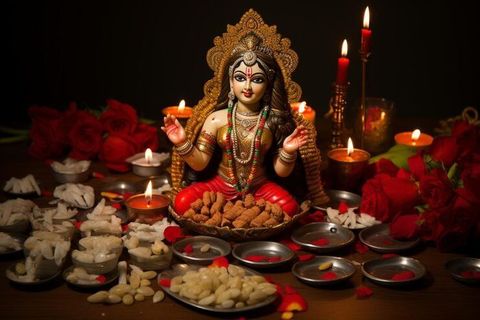
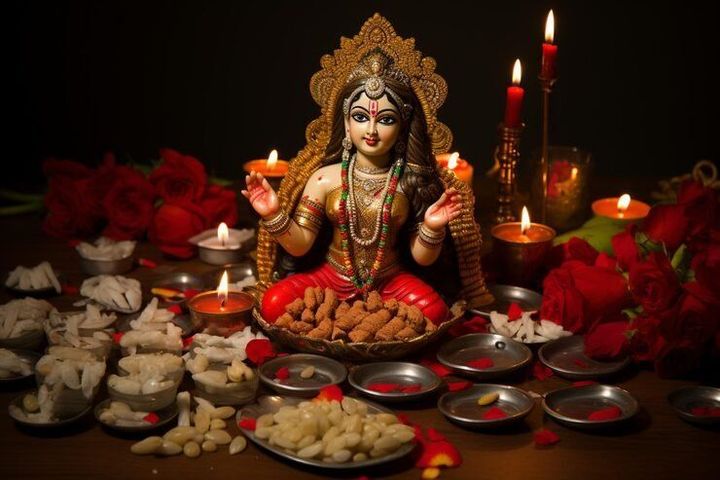
Navratri fasting is a traditional Hindu practice observed during the nine nights of Navratri, a festival associated with devotion to Goddess Durga and her various forms. Fasting is commonly combined with prayer, meditation, temple visits, rituals, and dietary restrictions. The exact form of fasting differs between regions, families, communities, and individual religious practices.
A Navratri fasting diet may exclude regular grains, pulses, onions, garlic, and ordinary table salt. Common fasting foods include fruits, dairy products, potatoes, sweet potatoes, sabudana, buckwheat flour, water chestnut flour, amaranth, makhana, nuts, seeds, and vegetables permitted by a particular tradition. Rock salt, commonly called sendha namak, is often used instead of regular salt.
Different forms of fasting
Not everyone observes Navratri in the same way. Some people eat one meal during the day, while others consume smaller fasting meals throughout the day. Some devotees eat only fruits and liquids, while others follow a more flexible farali or vrat diet.
The distinction between religious fasting and dietary dieting is important. Navratri fasting is primarily a spiritual and cultural practice, and its rules are generally determined by religious customs rather than a standardized nutritional program.
Regional and family traditions
Food customs can differ considerably across India. In Gujarat, Maharashtra, Rajasthan, North India, and other regions, people may use different ingredients and preparation methods for vrat meals. Even within the same region, families can follow different rules.
For this reason, foods described as permitted in one household may not be accepted in another. Traditional guidance from a family, religious teacher, or community may therefore differ from a general Navratri fasting foods list.
Importance
Navratri fasting matters because it connects food choices with religious discipline and cultural observance. For many devotees, limiting certain foods creates a structured routine around prayer and reflection. The practice can also influence household meal planning, grocery choices, cooking methods, and family gatherings during the festival.
From an everyday nutrition perspective, fasting can create practical challenges. A person who avoids regular grains and pulses may need to think carefully about meal variety, hydration, energy intake, and nutrient balance. Relying heavily on fried sabudana dishes, potato preparations, sweets, or packaged fasting snacks can create a very different dietary pattern from one based on fruits, vegetables, dairy, nuts, and lightly prepared foods.
Common Navratri fasting foods
Frequently used ingredients include:
- Fruits such as bananas, apples, papaya, pomegranate, and seasonal fruits
- Dairy foods such as milk, curd, paneer, and buttermilk where permitted
- Sabudana for khichdi, preparations, or other vrat dishes
- Kuttu or buckwheat flour for rotis, pancakes, or other preparations
- Singhara or water chestnut flour for fasting recipes
- Rajgira or amaranth
- Makhana, peanuts, almonds, walnuts, and other nuts
- Potatoes and sweet potatoes
- Vegetables permitted according to regional or household rules
- Sendha namak instead of ordinary salt where the tradition requires it
Meal ideas for a fasting day
A simple meal plan can use different food groups rather than depending on one ingredient throughout the day. For example, a morning meal might include fruit and milk, lunch could include kuttu roti with permitted vegetables and curd, and an evening meal could include sabudana khichdi with peanuts and a side of curd.
Another pattern could include fruit and yogurt in the morning, a rajgira or singhara preparation at midday, and a vegetable-based meal with paneer in the evening. Portions and food choices can be adjusted according to the person's fasting tradition and normal dietary needs.
Recent Updates
Recent Navratri discussions have increasingly focused on the relationship between traditional fasting and balanced eating. Coverage during 2026 has highlighted familiar fasting ingredients such as sabudana, kuttu, singhara flour, fruits, dairy products, nuts, and makhana while also discussing ways to prepare them with less reliance on deep frying.
Another noticeable trend is greater attention to regional differences. Contemporary fasting guides increasingly point out that permitted foods can vary between households and communities rather than presenting one universal list. This distinction is particularly relevant when people search online for questions such as which vegetables, spices, or grains are permitted during Navratri.
Food safety has also received attention during festival periods. The Food Safety and Standards Authority of India has specifically highlighted the need for vigilance around fasting foods such as kuttu flour, singhara flour, samak or bhagar, nuts, dairy products, and prepared fasting foods. Its guidance has noted concerns related to poor storage, contamination, and older stock, particularly involving buckwheat flour.
Changing meal preparation
Modern Navratri meal planning increasingly includes baked, roasted, steamed, or lightly cooked preparations alongside traditional recipes. The general focus is on maintaining familiar fasting ingredients while reducing dependence on heavily fried snacks and sweets.
Digital recipe platforms and food publications have also made it easier for people to find vrat recipes, ingredient lists, meal plans, and regional variations. However, online recipes should still be compared with the fasting rules followed by an individual's household or religious community.
Laws or Policies
There is no single national law in India that establishes one religious menu for Navratri fasting. Religious fasting rules are generally matters of tradition, faith, and personal observance rather than government dietary regulations.
Food sold or prepared for consumption is, however, subject to India's food-safety framework. The Food Safety and Standards Authority of India, established under the Food Safety and Standards Act, regulates food safety standards and related requirements for food products. Its regulations cover areas such as food standards, contaminants, packaging, and labelling.
Festival food safety
FSSAI has issued festival-season guidance concerning foods commonly consumed during fasting. Its 2024 advisory specifically identified kuttu atta, singhara atta, samak or bhagar, fruits, vegetables, nuts, dairy products, and ready-to-eat fasting foods as categories requiring attention during periods of increased demand. It also emphasized inspection, sampling, hygiene, and proper storage.
For consumers, practical food-safety habits include checking packaging information, examining storage conditions, keeping perishable foods refrigerated where appropriate, washing fresh produce, and avoiding food with unusual smell, appearance, or signs of spoilage.
People with medical conditions, dietary restrictions, pregnancy-related nutritional needs, or medications that require regular food intake may have different nutritional considerations. Strict fasting should be discussed with an appropriate healthcare professional when it could interfere with an established medical or dietary plan.
Tools and Resources
Several resources can help people understand Navratri fasting and plan meals without treating one dietary pattern as universal.
Food-safety resources
The official FSSAI website provides information about food standards, regulations, food-safety guidance, and consumer-related resources. Its food standards material can help readers understand the regulatory framework surrounding food products in India.
Festival calendars
Hindu festival calendars and Panchang platforms can be used to check Navratri observance periods, tithi information, fasting days, and ritual timings. Because timings can vary by location, readers should use a calendar that provides location-specific information when exact ritual timing matters.
Meal-planning tools
A basic meal planner or nutrition-tracking application can help organize fruits, vegetables, dairy foods, nuts, seeds, and permitted fasting ingredients across several days. Such tools are useful for organizing meals but do not determine whether a particular food is religiously permitted.
Ingredient references
Ingredient labels and household recipe records can help identify whether a packaged fasting food contains ingredients that conflict with a particular vrat tradition. This is especially useful for prepared snacks, flour mixes, seasonings, and other products containing multiple ingredients.
FAQs
What foods can you eat during Navratri fasting?
Common Navratri fasting foods include fruits, dairy products, sabudana, kuttu flour, singhara flour, rajgira, makhana, nuts, seeds, potatoes, sweet potatoes, and selected vegetables. Exact rules vary by region and household.
What are the main Navratri fasting rules?
Common rules include avoiding regular grains, pulses, onions, garlic, and ordinary salt. Some people also avoid particular vegetables or processed foods. The precise rules depend on the form of vrat being observed.
What is a simple Navratri fasting meal plan?
A simple plan can combine fruit and dairy in the morning, a kuttu, singhara, or rajgira preparation with permitted vegetables at midday, and a meal such as sabudana khichdi or a vegetable-and-paneer preparation later. Portions depend on individual dietary needs and fasting customs.
What is the timing for Navratri fasting meals?
There is no single meal schedule followed by everyone. Some devotees eat once daily, while others have two or more fasting meals. Meal timing can also depend on the specific vrat and regional religious practice.
Are there health benefits of Navratri fasting?
Some people associate fasting with lighter eating, dietary discipline, and a structured routine. However, the effects depend on what and how much a person eats, how long the fast lasts, hydration, and individual health circumstances. Navratri fasting should not be treated as a guaranteed health or weight-management method.
Conclusion
Navratri fasting combines religious observance, traditional food practices, and personal discipline. Common fasting foods include fruits, dairy products, sabudana, kuttu, singhara, rajgira, nuts, makhana, potatoes, and selected vegetables, but permitted foods vary between traditions. Current discussions increasingly consider balanced meal planning and food safety alongside traditional practices. India's food-safety framework also provides standards relevant to foods consumed during festival periods.