Microgrid Decision Tree Explained: Components, Design Options, Applications, Benefits and Key Factors
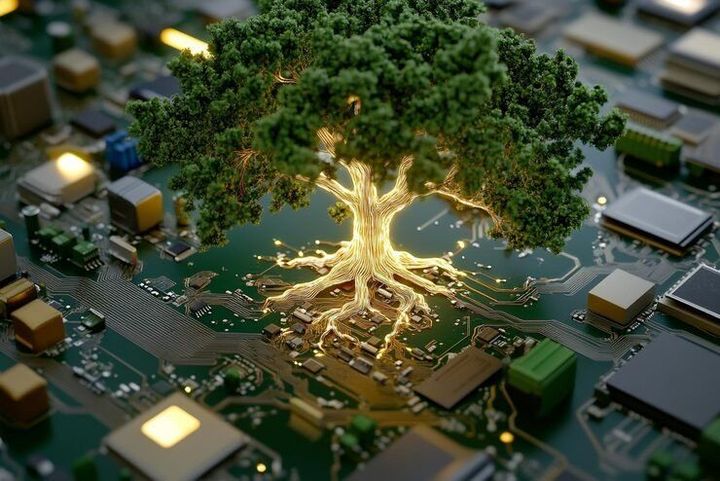
A microgrid decision tree is a structured way to understand how different microgrid choices fit together. It can help organize decisions about electricity sources, energy storage, control systems, grid connections, loads, and operating modes. Instead of treating every microgrid as the same, a decision tree separates the design process into practical questions based on the location, electricity demand, available resources, and operating requirements.
A microgrid is a localized electrical system that can contain several energy resources and loads. It may include solar photovoltaic panels, wind generation, batteries, backup generators, power converters, electrical loads, meters, and a control system. Depending on its configuration, a microgrid can operate while connected to the main electricity grid or operate independently for a period when grid power is unavailable.
The idea of a microgrid developed from the broader need to manage distributed energy resources closer to where electricity is consumed. Traditional electricity networks generally move electricity through large centralized generation and transmission networks. Microgrids introduce a more localized approach in which generation, storage, control equipment, and electrical loads can work together within a defined area.
A microgrid decision tree therefore begins with basic questions such as: What type of loads need electricity? Is renewable generation available? Is battery storage required? Should the system remain connected to the utility grid? What level of backup capability is needed? These questions influence the eventual system architecture.
Main components
A microgrid can contain several interconnected elements. The exact combination varies according to the application.
- Generation sources provide electrical energy. Solar photovoltaic systems, wind turbines, small generators, and other distributed resources can be used.
- Energy storage holds electricity for later use. Batteries are a common choice, although other storage technologies can also be considered.
- Power conversion equipment changes electrical characteristics so that different parts of the system can operate together.
- Controllers coordinate generation, storage, loads, and grid interaction.
- Electrical loads represent the equipment and facilities that consume electricity.
- Protection equipment helps identify abnormal electrical conditions and disconnect affected sections when required.
- Communication and monitoring equipment provide information about system status and energy flows.
How a decision tree works
A microgrid decision tree can start with the intended application and then move through several branches. For example, a remote community may require independent operation, while a commercial building may place greater emphasis on managing electricity use alongside grid connection.
The tree can also distinguish between systems that primarily use renewable generation and systems that combine renewable resources with other forms of generation. Storage requirements can then be considered according to load patterns, renewable generation variability, and the desired operating mode.
Importance
Microgrids matter because electricity demand is becoming more diverse while power systems are incorporating larger amounts of variable renewable generation. Solar and wind generation can change according to sunlight, weather, and other conditions. Energy storage and coordinated control can help manage some of these changes. India's Ministry of New and Renewable Energy notes that energy storage can support renewable-energy integration, grid stability, energy shifting, and other power-system functions.
For households, businesses, public facilities, campuses, and industrial sites, electricity interruptions can affect lighting, communications, refrigeration, computing equipment, manufacturing processes, water systems, and other activities. A microgrid can be designed around the loads that have the greatest operational importance.
Microgrids can also be relevant in locations where extending or reinforcing conventional electricity infrastructure presents practical challenges. Remote communities, islands, agricultural facilities, research facilities, and critical public infrastructure can have different electricity requirements from dense urban areas.
What problems can a microgrid address?
A microgrid design may address several technical challenges:
- Variable renewable generation
- Short-duration electricity interruptions
- Local peak electricity demand
- Limited grid capacity
- Remote electricity supply
- Integration of distributed energy resources
- Coordination of batteries and renewable generation
- Monitoring of local electricity flows
The actual result depends on system design, operating conditions, equipment, grid rules, and the characteristics of the connected loads. A microgrid is not automatically suitable for every location.
Key decision factors
A decision tree normally considers several factors before selecting a configuration.
| Decision factor | Questions to consider | Possible design direction |
|---|---|---|
| Location | Is the site urban, rural, remote, or industrial? | Grid-connected or independent configuration |
| Load | What equipment consumes electricity? | Load-specific capacity planning |
| Generation | Which local energy resources are available? | Solar, wind, generator, or mixed sources |
| Storage | Is energy shifting or backup required? | Battery or another storage technology |
| Grid connection | Must the system interact with the utility grid? | Grid-connected, islandable, or independent |
| Control | How should generation and loads be coordinated? | Central or distributed control |
| Reliability | Which loads require continued operation? | Critical-load prioritization |
| Expansion | Could electricity demand change? | Modular system planning |
Recent Updates
From 2024 through 2026, energy storage and renewable integration have remained important areas of electricity-system development in India. Government policy activity has included additional guidance and funding mechanisms related to battery energy storage systems. The Ministry of New and Renewable Energy lists operational guidelines from 2024 and later amendments and funding-related documents from 2025.
Another development has been greater attention to combining renewable generation with storage. In 2024, the Ministry of New and Renewable Energy published guidelines covering procurement of firm and dispatchable power from grid-connected renewable-energy projects with energy storage. This reflects the wider shift toward integrating variable renewable generation with technologies that can help manage its changing output.
In 2025, government documents also included an advisory concerning the co-location of energy storage systems with solar projects, along with measures concerning battery energy storage system funding and transmission arrangements for energy storage systems.
By 2026, energy-system planning continues to consider storage, renewable integration, electrical safety, and grid flexibility as interconnected subjects. The Central Electricity Authority maintains electricity safety regulations and has published a 2026 amendment to its measures relating to safety and electricity supply.
Storage is becoming a larger planning consideration
India's Ministry of New and Renewable Energy states that the National Electricity Plan projects a growing need for energy storage as renewable generation expands. The ministry identifies both pumped-storage projects and battery energy storage systems as parts of the projected storage requirement.
For microgrid planning, this means batteries are increasingly considered alongside generation and loads rather than as an isolated component. The appropriate storage size still depends on the site's electricity profile, renewable output, operating strategy, and required duration.
Laws or Policies
Microgrids in India can be affected by several layers of electricity rules, technical regulations, state-level electricity regulations, and renewable-energy policies. The exact requirements depend on the system configuration and its relationship with the electricity distribution network.
The Electricity Act, electricity rules, Central Electricity Authority regulations, and directions from electricity regulators form part of the broader legal and technical framework. Electrical safety requirements are particularly relevant when generation, storage, switching equipment, and grid connections are installed.
Green Energy Open Access
India's Green Energy Open Access Rules provide a framework through which eligible consumers can access renewable electricity through open-access arrangements. Amendments have changed eligibility provisions and other aspects of the framework. A 2024 Ministry of Power document describes the 100 kW threshold for eligible consumers, including aggregation of multiple connections in the same electricity division, while captive consumers are treated separately under the rules.
For a microgrid, open-access arrangements can become relevant when renewable electricity is sourced through the broader electricity network rather than being generated entirely within the local system. State electricity regulations and distribution-utility procedures can also affect practical implementation.
Energy storage policy
Energy storage has received increasing policy attention. India's Ministry of Power has established an Energy Storage Obligation trajectory, while the Ministry of New and Renewable Energy maintains guidelines covering battery energy storage systems and related programs.
These policies do not mean that every microgrid must contain a battery. Instead, they form part of the wider regulatory environment surrounding renewable integration and energy storage.
Electrical safety
Microgrids contain electrical equipment that must be designed and operated according to applicable safety requirements. The Central Electricity Authority maintains regulations covering measures related to safety and electricity supply.
Project-specific requirements can vary according to voltage level, connection arrangement, equipment, location, and applicable state rules. Technical design and compliance assessment should therefore be handled according to the relevant electrical regulations.
Tools and Resources
Several resources can help readers understand or plan the different elements of a microgrid decision tree. These resources generally fall into categories such as energy modeling, solar assessment, load analysis, storage planning, and regulatory information.
Planning and analysis tools
Energy modeling software can simulate electricity generation, demand, storage behavior, and grid interaction. Such tools can compare different configurations under different assumptions about weather, electricity demand, and operating schedules.
Solar-resource tools can provide information about solar availability for a particular geographic area. Load-analysis tools can help organize electricity consumption by hour, day, season, or equipment category.
Battery-sizing calculations can estimate storage capacity and power requirements based on factors such as expected load, renewable generation, backup duration, and allowable battery operating range. These calculations should be treated as planning estimates rather than final engineering specifications.
Government resources
Useful Indian government resources include the Ministry of New and Renewable Energy for renewable-energy and energy-storage policies, the Ministry of Power for electricity rules and power-sector documents, and the Central Electricity Authority for technical and safety regulations. The MNRE energy-storage section currently provides policy documents covering battery energy storage funding, transmission arrangements, and related guidelines.
A practical research process can combine these sources with electricity-consumption records, solar-resource information, equipment specifications, and applicable state-level regulations.
FAQs
What is a microgrid decision tree?
A microgrid decision tree is a structured method for evaluating microgrid design choices. It considers factors such as electricity demand, generation sources, energy storage, grid connection, control requirements, and operating conditions.
What are the main components of a microgrid?
The main components can include distributed generation, batteries or other energy storage, power converters, electrical loads, controllers, protection equipment, meters, and communication systems. The exact combination depends on the intended application.
How does a microgrid decision tree help with design?
A microgrid decision tree organizes technical questions into logical stages. It can help distinguish between grid-connected, islandable, and independent configurations and identify whether renewable generation, energy storage, or backup generation may be appropriate for the application.
Is battery storage necessary for every microgrid?
No. Battery storage is not mandatory for every microgrid. Its usefulness depends on the generation profile, electricity demand, required operating mode, backup requirements, and the role the microgrid is intended to perform.
What policies affect microgrids in India?
Microgrids can be affected by electricity legislation, Central Electricity Authority safety regulations, Green Energy Open Access Rules, renewable-energy policies, and energy-storage policies. The applicable requirements depend on the system's configuration and connection to the electricity network.
Conclusion
A microgrid decision tree provides a structured way to understand choices involving generation, storage, electrical loads, controls, protection, and grid connection. Renewable generation and energy storage are receiving increased attention in India's evolving electricity landscape, making these factors relevant to modern microgrid planning. Rules concerning electricity access, renewable energy, storage, and electrical safety can also influence system design. A clear understanding of these elements helps readers interpret how different microgrid configurations are developed for different applications.