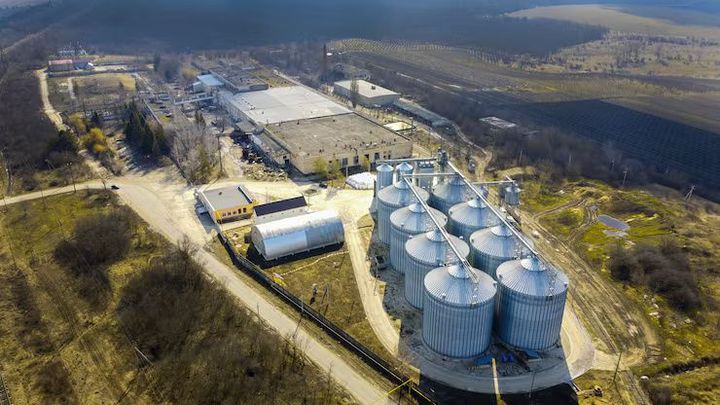
Lithium Extraction Systems Guide: Processes, Equipment, Technologies and Industrial Applications
Lithium extraction systems are industrial methods and equipment used to recover lithium from natural resources such as mineral ores, underground brines, and certain recycled materials. Lithium is an important raw material for rechargeable batteries, energy-storage systems, electronics, and several industrial applications. As demand for battery materials has increased, attention has expanded toward extraction processes, processing equipment, direct lithium extraction technologies, recycling, and methods for improving resource recovery.
What Is Lithium Extraction?
Lithium is a light metallic element that occurs naturally in different geological environments. It can be found in hard-rock minerals, saltwater brines, clay-rich deposits, and secondary materials such as used lithium-ion batteries.
Lithium extraction is the process of separating lithium from these materials and converting it into a usable chemical compound. Common products include lithium carbonate and lithium hydroxide, which can be used in battery-material production and other industrial processes.
The appropriate lithium extraction system depends on the type of resource. Hard-rock deposits generally require mining, crushing, grinding, concentration, and chemical processing, while brine resources can involve pumping, concentration, purification, and chemical conversion.
Main Sources of Lithium
Lithium extraction can generally be divided into several resource categories:
- Hard-rock ore: Lithium-bearing minerals are mined and processed to concentrate lithium-containing material.
- Saltwater brine: Lithium-rich underground water is pumped to the surface and processed to separate lithium from other dissolved substances.
- Clay and sediment deposits: Lithium may be chemically released from fine-grained mineral materials.
- Recycled materials: Lithium can be recovered from spent batteries and other secondary sources through hydrometallurgical, pyrometallurgical, or combined processes.
These sources have different geological characteristics, water requirements, energy needs, processing steps, and environmental considerations.
How a Lithium Extraction System Works
A typical system follows several stages:
- Resource preparation involves mining, drilling, pumping, or receiving recycled material.
- Physical processing separates unwanted rock or other materials.
- Chemical or selective extraction separates lithium from associated elements.
- Purification removes impurities such as magnesium, calcium, sodium, or other compounds.
- Conversion produces a lithium compound suitable for further industrial processing.
- Waste and residual materials are treated or managed according to applicable requirements.
The exact sequence varies according to the feedstock and technology.
Importance
Why Lithium Extraction Matters
Lithium has become an important component of modern energy-storage technology. Rechargeable lithium-ion batteries are used in electric vehicles, mobile devices, laptops, energy-storage installations, and various electronic systems.
The expansion of battery manufacturing has increased interest in reliable lithium supply chains. Lithium extraction therefore connects mining, chemical processing, battery manufacturing, recycling, transportation, environmental management, and industrial planning.
Applications of Lithium
Lithium compounds have applications across several industries. These include:
- Electric vehicle and hybrid vehicle batteries
- Stationary battery energy-storage systems
- Consumer electronics
- Portable electronic equipment
- Glass and ceramic manufacturing
- Lubricating materials
- Metallurgical processes
- Specialized chemical applications
Lithium extraction systems are therefore part of a wider industrial chain rather than an isolated mining activity.
Major Challenges
Lithium extraction can involve technical and environmental challenges. Resource quality can vary considerably, and some deposits contain substances that make separation more difficult.
Water management is particularly important for certain brine-based processes. Hard-rock extraction can involve substantial material movement and energy use, while chemical processing requires careful handling of reagents and residual materials.
A lithium extraction project may also need geological studies, laboratory testing, pilot-scale evaluation, environmental assessment, infrastructure planning, and monitoring before commercial-scale processing is established.
Comparison of Extraction Routes
| Extraction route | Main feedstock | Common processing approach | Important consideration |
|---|---|---|---|
| Hard-rock extraction | Lithium-bearing ore | Crushing, concentration and chemical processing | Mining and energy requirements |
| Brine extraction | Underground lithium-rich brine | Pumping, concentration and purification | Water and chemistry management |
| Direct lithium extraction | Brine or other lithium-bearing liquids | Selective adsorption, ion exchange or membranes | Technology-specific separation performance |
| Clay extraction | Lithium-bearing clay | Thermal or chemical treatment | Mineral composition and reagent requirements |
| Battery recycling | Spent lithium-ion batteries | Mechanical, hydrometallurgical or combined processing | Feedstock composition and material recovery |
Recent Updates
Growth of Direct Lithium Extraction
Direct lithium extraction, commonly called DLE, has received increasing attention because it uses selective processes to separate lithium from brine rather than depending entirely on long natural evaporation periods. Different DLE approaches include adsorption, ion exchange, solvent extraction, membranes, and other selective separation methods.
Performance depends heavily on the chemistry of the individual brine. A process that works for one resource may not produce the same results with another resource, so laboratory and pilot testing remain important.
Greater Interest in Lithium Recycling
Lithium recovery from used batteries and industrial residues has become an important part of critical-mineral planning. Recycling can return lithium and other battery materials to the industrial supply chain while reducing reliance on newly extracted resources.
India's National Critical Mineral Mission includes recovery of critical minerals from tailings and other secondary sources. The government has also established a ₹1,500 crore incentive framework for critical-mineral recycling, covering materials such as lithium-ion battery scrap.
Expansion of Exploration and Processing
India has increased attention toward domestic exploration and processing of critical minerals. The National Critical Mineral Mission was approved in 2025 for implementation from 2024-25 through 2030-31, with government expenditure of ₹16,300 crore and an expected investment of ₹18,000 crore from public-sector enterprises and other stakeholders.
The mission covers the broader critical-mineral chain, including exploration, mining, beneficiation, processing, recovery, research, and recycling.
Overseas Lithium Resources
India is also pursuing overseas sources of lithium. Khanij Bidesh India Limited has entered into an agreement with CAMYEN in Argentina concerning exploration and mining of five lithium brine blocks in Catamarca Province. This reflects a broader approach involving both domestic exploration and international resource development.
Laws or Policies
India's Mining Framework
In India, lithium is classified among the critical and strategic minerals covered by the Mines and Minerals (Development and Regulation) Act framework. The MMDR Amendment Act, 2023 changed the regulatory position of several minerals, including lithium, and enabled the Central Government to auction mining leases and composite licences for specified critical and strategic minerals.
The same reforms also introduced an exploration-licence mechanism for specified critical and deep-seated minerals. This framework is intended to expand geological exploration and identify resources that may require specialized exploration techniques.
National Critical Mineral Mission
The National Critical Mineral Mission provides a broader policy framework covering exploration, domestic production, processing, recycling, research, and international resource acquisition.
Government information states that the mission includes 1,200 exploration projects through the 2024-25 to 2030-31 period. It also supports research and technological development related to critical-mineral extraction and processing.
Environmental Requirements
Lithium mining and processing projects can also be subject to environmental regulations, land requirements, water-management rules, waste-management requirements, and other approvals depending on the project location and activity.
The exact approvals vary according to whether a project involves mining, mineral processing, chemical conversion, battery recycling, water extraction, or multiple activities. Project operators generally need to assess the applicable central and state requirements before development.
Tools and Resources
Geological and Government Resources
Several resources can help readers understand lithium extraction systems and India's critical-mineral sector:
- Ministry of Mines: Provides information on mining legislation, critical minerals, auctions, exploration, and government programs.
- Geological Survey of India: Provides geological and mineral-exploration information.
- National Critical Mineral Mission publications: Explain India's framework for exploration, processing, recycling, and research.
- MMDR Act documents: Useful for understanding the legal framework governing mineral exploration and mining.
- Laboratory and process simulation tools: Used by researchers and engineers to evaluate mineral separation, chemical reactions, material flows, and resource recovery.
Process Evaluation Tools
Industrial studies can use several technical tools to understand an extraction process. These may include mineralogical analysis, chemical assays, water-quality analysis, laboratory separation tests, process-flow diagrams, mass-balance calculations, pilot plants, and environmental monitoring systems.
Such tools help determine whether a particular lithium extraction technology is compatible with the chemical and physical characteristics of a resource.
FAQs
What are lithium extraction systems?
Lithium extraction systems are combinations of processes, equipment, and technologies used to recover lithium from ores, brines, clays, or recycled materials. The system normally includes preparation, separation, purification, and conversion stages.
How does direct lithium extraction work?
Direct lithium extraction uses selective technologies to separate lithium from a liquid resource such as brine. Depending on the technology, the process may use adsorption materials, ion exchange, membranes, solvent-based separation, or related methods.
What equipment is used in lithium extraction?
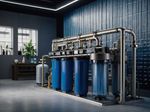
Equipment varies by resource and process. Common equipment can include crushers, grinders, separators, pumps, filters, reactors, evaporation units, membrane systems, ion-exchange equipment, adsorption columns, crystallizers, dryers, and water-treatment equipment.
Why is lithium recycling important?
Lithium recycling allows materials from used lithium-ion batteries and other secondary sources to be processed for recovery. It can complement mining by creating another source of lithium and other battery materials within the wider materials cycle.
Where is lithium used?
Lithium is used primarily in rechargeable batteries and also has applications in glass, ceramics, lubricating materials, metallurgy, electronics, and other industrial processes.
Conclusion
Lithium extraction systems combine mining, chemical processing, separation technologies, purification, and resource-recovery methods to produce usable lithium compounds. Hard-rock extraction, brine processing, direct lithium extraction, clay processing, and battery recycling represent different approaches suited to different feedstocks. From 2024 to 2026, India has expanded its policy focus on critical-mineral exploration, domestic processing, recycling, research, and overseas lithium resources. The development of lithium extraction therefore involves both technological considerations and regulatory, environmental, and resource-management requirements.