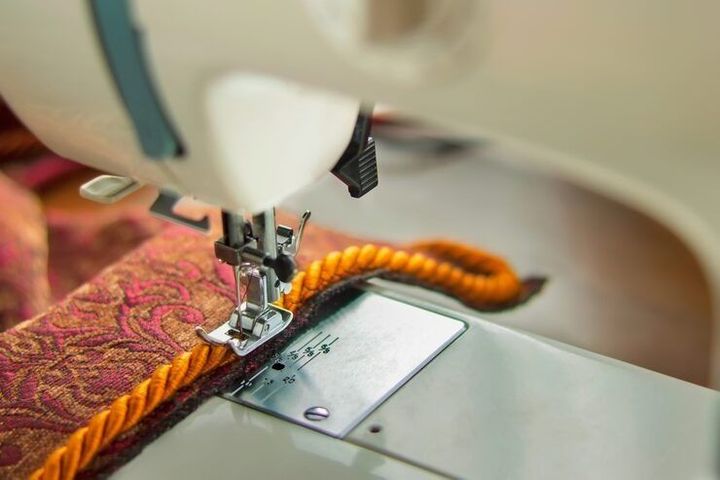
Lace Making Machines Details: Designs, Needles, Threads, Controls and Manufacturing Processes
Lace has been used for centuries as a decorative textile material in clothing, home furnishings, accessories, and craft products. Traditional lace was produced by hand using techniques such as needle lace, bobbin lace, and crochet. As demand for consistent patterns and larger production volumes developed, mechanical methods became important in textile manufacturing.
Lace making machines are specialized textile machines designed to create patterned openwork fabrics from yarn or thread. Depending on the machine design, they can produce narrow lace, decorative trims, elastic lace, embroidered lace structures, and other patterned textile materials. Modern equipment combines mechanical movements with electronic controls to coordinate needles, threads, pattern settings, and fabric movement.
The basic production process involves feeding threads into the machine, controlling their movement through needles or other forming elements, creating a repeating pattern, and collecting the finished material. The exact process varies according to the machine type, fabric structure, thread characteristics, and desired design.
Common Types of Lace Making Machines
Different machine designs are used for different lace structures. Some systems are based on needle movements similar to knitting, while others use specialized arrangements for weaving or embroidery.
Common categories include:
- Lace knitting machines: These use needles and yarn movements to create open and patterned textile structures.
- Narrow fabric machines: These are designed for producing relatively narrow decorative textile strips and trims.
- Warp-based lace machines: These coordinate multiple yarns running lengthwise through the fabric structure.
- Embroidery-based systems: These add decorative thread patterns to a textile base.
- Electronic pattern machines: These use programmable controls to manage pattern sequences and machine movements.
The appearance of lace depends on the machine structure and the selected pattern. A simple geometric design may require fewer pattern instructions than a detailed floral or repeating decorative structure.
Importance
Lace remains relevant because it combines functional textile construction with decorative design. It is used in garments, curtains, household textiles, accessories, packaging decoration, footwear components, and other textile applications.
For manufacturers, lace making machines help create repeatable structures while coordinating many individual movements. Manual production can require considerable attention when patterns contain numerous loops, crossings, and thread changes. Mechanical systems can coordinate these movements according to predefined settings.
Role of Needles and Threads
Needles are important components because they help form loops, crossings, and other elements of the lace structure. Their dimensions, arrangement, movement, and timing can influence the resulting pattern and fabric characteristics.
Threads also have a direct effect on the appearance and behavior of the finished material. Common materials can include cotton, polyester, nylon, rayon, metallic-effect yarns, and blended textile threads. Thread selection depends on factors such as strength, flexibility, thickness, surface appearance, and the intended application.
Why Machine Controls Matter
Controls determine how different machine components operate together. Older mechanical systems may rely heavily on cams, gears, levers, and manually adjusted settings, while newer equipment can incorporate digital interfaces, programmable pattern controls, sensors, and electronically controlled drives.
A control system can coordinate factors such as:
- Needle movement
- Thread feeding
- Machine speed
- Pattern sequences
- Fabric take-up
- Thread tension
- Production monitoring
- Error detection
Consistent coordination is important because small timing or tension changes can affect the appearance of repeated lace patterns.
Recent Updates
From 2024 through 2026, developments in textile machinery have continued to emphasize automation, electronic controls, pattern flexibility, energy monitoring, and production data. The broader textile machinery sector in India has also seen increased attention toward safety standards and modernization. BIS materials describe textile machinery safety standards and discuss automation, digital technologies, and resource-conscious production as areas of continuing development.
Digital Pattern Control
Electronic pattern control is becoming an important feature in modern textile machinery. Instead of relying entirely on mechanical pattern components, computerized systems can store and modify pattern instructions through digital interfaces.
This approach can make it easier to manage complex repeating designs and change between different pattern configurations. Depending on the machine, pattern information may be handled through a dedicated controller, computer interface, or specialized textile design software.
Sensors and Monitoring
Sensors can be used to monitor conditions such as thread movement, machine position, tension, temperature, vibration, or component status. When connected with control systems, sensor information can help identify abnormal operating conditions.
Another developing area is production data collection. Machine information can be recorded to help operators understand operating cycles, interruptions, and equipment performance over time.
Greater Attention to Energy and Material Use
Textile machinery development is also placing greater attention on energy consumption and material efficiency. Efficient motors, electronic drives, controlled machine speeds, and improved process monitoring can influence how machinery uses electricity and textile materials.
The practical result depends on machine design, operating conditions, maintenance, thread characteristics, and production requirements rather than on automation alone.
Laws or Policies
In India, lace making machines can fall within the broader regulatory environment for textile machinery, machinery safety, electrical equipment, industrial workplaces, and product standards. The exact requirements depend on the machine's technical classification and whether a particular Indian Standard or regulatory order applies.
The Bureau of Indian Standards maintains Indian Standards covering textile machinery safety. The IS 17361 series addresses safety requirements for textile machinery, while related standards address particular textile machinery categories and design considerations.
Machinery Safety Requirements
India introduced the Machinery and Electrical Equipment Safety (Omnibus Technical Regulation) Order, 2024, followed by amendments during 2025. The Ministry of Heavy Industries subsequently listed the withdrawal of the 2024 order in January 2026, so manufacturers and users should check the current regulatory position rather than relying on an earlier implementation schedule.
BIS has also published category-specific material for textile machinery. For example, its guidance for weaving machines describes the use of applicable Type A, Type B, and Type C safety standards and technical documentation. The precise classification of a lace making machine should therefore be checked against its construction and intended function.
Standards and Conformity
The BIS "Know Your Standard" system allows users to search Indian Standards by standard number or product-related keywords. It also provides information about amendments, testing arrangements, laboratories, and related conformity information.
India also has textile-sector technology modernization programs and policy frameworks. Government documents have described technology upgradation as an important part of textile-sector development, including modernization of eligible machinery and production capabilities.
Because regulations and standards can change, machine manufacturers and industrial users should verify the current requirements applicable to their specific equipment, location, and use.
Tools and Resources
Several technical resources can help readers understand lace making machines and their production processes.
Machine Manuals and Technical Documentation
A machine manual normally contains information about threading, needle arrangements, control settings, lubrication points, operating procedures, safety precautions, and troubleshooting. Technical drawings can also help explain the relationship between needles, thread guides, drive systems, and fabric take-up mechanisms.
Textile Design Software
Digital textile design programs can be used to create or modify repeating patterns. Depending on the equipment, the final design may need to be converted into a format compatible with the machine's electronic controller.
Thread and Needle Reference Charts
Thread and needle charts can help users understand relationships between thread thickness, needle dimensions, machine settings, and fabric structure. These references are particularly useful when changing materials or experimenting with different lace patterns.
BIS Resources
The Bureau of Indian Standards website provides access to Indian Standards and related technical information. Its standard-search tools can help identify applicable standards by machine category or technical subject.
Basic Lace Machine Components
| Component | Main Function | Influence on Lace |
|---|---|---|
| Needles | Form loops or textile structures | Pattern and structure |
| Thread guides | Direct threads | Thread placement |
| Tension system | Controls thread tension | Uniformity and appearance |
| Pattern mechanism | Controls design sequence | Pattern complexity |
| Drive system | Produces coordinated movement | Machine timing |
| Take-up system | Moves finished material | Fabric consistency |
| Controller | Coordinates electronic functions | Pattern and operating control |
| Sensors | Monitor machine conditions | Process monitoring |
FAQs
What are lace making machines used for?
Lace making machines are used to create patterned openwork textiles and decorative textile structures. Depending on their design, they can produce narrow lace, trims, garment components, decorative fabrics, and other textile materials.
How do needles work in lace making machines?
Needles move according to the machine's mechanical or electronic control system. Their coordinated movement helps form loops, crossings, and other structures that create the intended lace pattern.
What threads are used in lace making machines?
Lace machines can work with different textile threads, including cotton, polyester, nylon, rayon, blended yarns, and other specialized materials. The appropriate thread depends on machine specifications, pattern structure, thickness, strength, and the desired appearance.
What controls are found on modern lace making machines?
Modern machines may include digital displays, programmable pattern controls, electronic speed control, sensors, thread monitoring, and automated operating functions. The available controls vary by machine type and manufacturer.
What should be considered when studying lace machine manufacturing processes?
Important areas include machine structure, needle arrangement, thread feeding, tension control, pattern formation, drive mechanisms, electronic controls, fabric take-up, safety systems, and quality inspection. The applicable Indian Standards should also be reviewed when equipment is manufactured or operated in India.
Conclusion
Lace making machines combine needles, threads, pattern mechanisms, controls, and fabric-handling systems to create structured decorative textiles. Their development has moved from mainly mechanical arrangements toward systems incorporating electronic controls, sensors, digital pattern management, and production monitoring. In India, textile machinery is also subject to a developing framework of safety standards and regulatory requirements, making correct machine classification important. Understanding the relationship between machine components, thread properties, pattern design, and manufacturing processes provides a useful foundation for studying lace production.