Industrial Carbon Fiber Production Lines Guide: Manufacturing Stages, Machinery and Quality Control
Industrial carbon fiber production lines are specialized manufacturing systems used to convert chemical precursor fibers into strong, lightweight carbon fibers. These production lines combine controlled heating, chemical treatment, fiber handling, surface preparation, and quality inspection. Carbon fiber is widely used in aerospace components, automotive structures, wind energy equipment, sporting goods, and industrial machinery because it combines low weight with high tensile strength.
Context
Industrial carbon fiber production lines are specialized manufacturing systems used to convert chemical precursor fibers into strong, lightweight carbon fibers. These production lines combine controlled heating, chemical treatment, fiber handling, surface preparation, and quality inspection. Carbon fiber is widely used in aerospace components, automotive structures, wind energy equipment, sporting goods, and industrial machinery because it combines low weight with high tensile strength.
Modern carbon fiber manufacturing developed from research into high-strength carbon materials during the twentieth century. Industrial production commonly uses polyacrylonitrile (PAN) as a precursor, although certain processes use petroleum- or coal-derived pitch. The precursor is processed through several carefully controlled stages to produce fibers with the required mechanical and physical properties.
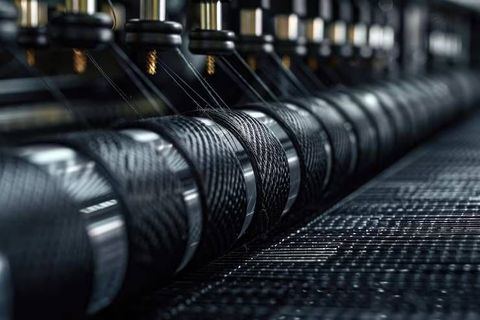
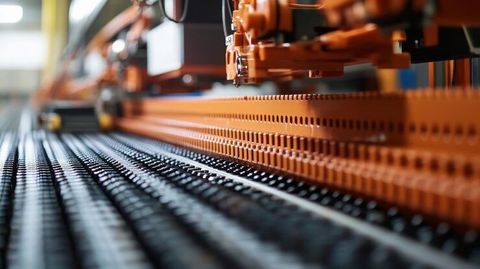
A carbon fiber production line is not a single machine. It is an integrated arrangement of equipment that manages fiber movement, temperature, atmosphere, chemical exposure, and inspection. Each stage influences the final material, making process coordination important for consistent manufacturing.
Main Types of Carbon Fiber Production
Industrial carbon fiber production generally depends on the precursor material and the intended application.
PAN-based production: Uses polyacrylonitrile fibers and is widely used for structural carbon fiber applications.
Pitch-based production: Uses pitch-derived precursors and can produce fibers with specialized properties, including high thermal conductivity in certain grades.
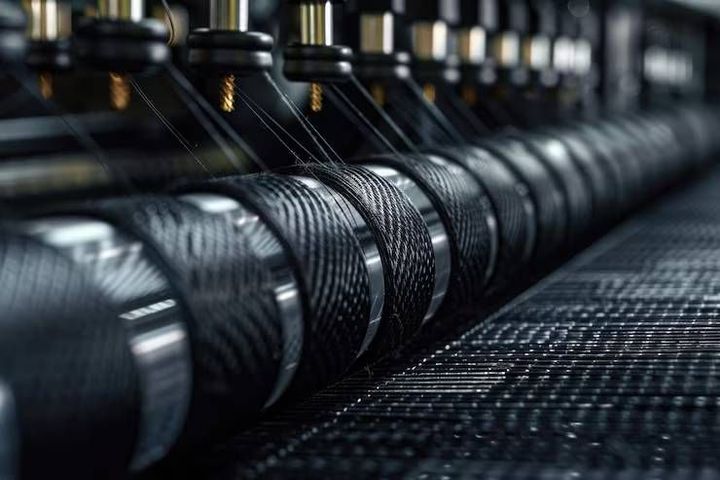
Continuous production: Processes long fiber bundles through successive treatment stages, allowing material to move through an integrated production line.
Specialized production: Uses tailored process conditions and equipment configurations for particular fiber grades or technical requirements.
The selection of a production method depends on the precursor, desired fiber properties, production capacity, energy requirements, and intended use of the material.
Importance
Carbon fiber production lines matter because many industries need materials that combine low weight with mechanical strength and dimensional stability. Reducing structural weight can be useful in aircraft, vehicles, wind turbine blades, and industrial equipment, although the benefits depend on component design and operating conditions.
Manufacturing quality is equally important. Variations in fiber tension, temperature, oxidation, or surface condition can affect strength, consistency, and compatibility with resin systems used to make composite materials. A well-controlled process helps manufacturers identify these variations before the material reaches later production stages.
Industrial Applications and Manufacturing Challenges
Carbon fiber is used in several areas:
Aerospace: Structural panels, aircraft interior components, and selected load-bearing structures.
Automotive: Lightweight body panels, structural reinforcements, and specialized vehicle components.
Wind energy: Reinforcement materials for certain wind turbine blade designs.
Industrial equipment: Lightweight rollers, pressure-related components, and precision structures where the material is suitable.
Sports and recreation: Bicycle frames, rackets, fishing equipment, and other composite products.
Production challenges include maintaining stable fiber movement, controlling high-temperature processes, limiting contamination, managing energy use, and keeping product properties consistent. Manufacturers must also manage equipment wear, production downtime, emissions, and worker exposure to process chemicals or fine particles.
Main Stages in a Carbon Fiber Production Line
The following table summarizes common stages in PAN-based carbon fiber manufacturing. Specific line configurations differ by precursor and product specification.
| Production stage | Main equipment | Primary purpose |
|---|---|---|
| Precursor preparation | Spinning and drawing equipment | Produces suitable precursor fibers |
| Stabilization | Heated oxidation ovens | Makes precursor fibers resistant to melting |
| Carbonization | Inert-atmosphere furnaces | Removes non-carbon elements and develops carbon structure |
| Surface treatment | Electrochemical treatment equipment | Adjusts the fiber surface for composite bonding |
| Sizing | Coating and drying equipment | Applies a protective surface coating |
| Winding | Precision winding systems | Collects fibers into packages |
| Quality inspection | Testing and monitoring instruments | Checks material properties and process consistency |
These stages form a connected manufacturing sequence. Not every facility performs precursor production on the same site, and some specialized processes include additional treatment or inspection steps.
Recent Updates
Carbon fiber manufacturing continues to develop through improvements in process monitoring, furnace efficiency, precursor preparation, and material recovery. Across the 2024–2026 period, wider industrial interest in lightweight structures, wind energy, electric mobility, and advanced composites has supported continued attention to production efficiency and material performance. The pace of adoption varies by manufacturer, application, and regional industrial conditions.
Automation and Process Monitoring
Modern industrial carbon fiber production lines may use programmable logic controllers, distributed control systems, temperature sensors, tension monitors, and automated winding equipment. These technologies help operators maintain process settings and identify deviations during production.
Some facilities also use data analytics to examine furnace temperatures, line speeds, energy consumption, and equipment performance. Such systems can support process adjustments and maintenance planning, but their effectiveness depends on sensor accuracy, data quality, and suitable operating procedures.
Energy Efficiency and Alternative Precursors
Stabilization and carbonization require substantial thermal processing. Manufacturers therefore investigate furnace insulation, heat recovery, improved airflow management, and process optimization to reduce energy use while maintaining fiber specifications.
Research into alternative precursors and recycled carbon fiber is also relevant. Recovered fibers can be obtained from composite waste through mechanical, thermal, or chemical processes, depending on the method. However, recycled material may have different fiber lengths, surface conditions, or mechanical properties from virgin continuous fiber, limiting its suitability for some applications.
Digital Quality Control
Automated inspection and digital production records can help manufacturers trace material batches and identify process variation. Integrated systems may connect furnace data, winding information, laboratory measurements, and production records.
These developments do not eliminate the need for physical testing. Tensile testing, surface examination, and other material assessments remain important for confirming whether carbon fiber meets the requirements of its intended application.
Laws or Policies
Industrial carbon fiber production is subject to environmental, occupational safety, industrial equipment, and product-quality requirements. The applicable rules depend on the manufacturing location, the chemicals used, the facility's emissions, and the intended use of the material.
Environmental Regulations in India
In India, industrial facilities may need approvals and environmental clearances under applicable national and state requirements. The Water (Prevention and Control of Pollution) Act, 1974, and the Air (Prevention and Control of Pollution) Act, 1981, provide important frameworks for controlling industrial pollution.
The Environment (Protection) Act, 1986, also provides a framework for environmental protection and related standards. Depending on the facility and its activities, manufacturers may need consent from the relevant State Pollution Control Board or Pollution Control Committee, along with other applicable permissions.
Carbon fiber production can involve furnace emissions, process gases, wastewater, chemical handling, and industrial waste. Facilities must evaluate which controls and approvals apply to their specific processes rather than assuming that every production line has identical requirements.
Worker Safety and Industrial Equipment
Manufacturers need procedures for managing high temperatures, moving machinery, chemical exposure, ventilation, and fire risks. Relevant Indian workplace, factory, and occupational safety requirements depend on the applicable legislation, rules, and implementation arrangements.
Practical controls may include machine guards, emergency shutdown systems, temperature alarms, suitable protective equipment, ventilation, and worker training. Risk assessments should account for each process stage, including furnace maintenance and the handling of sizing chemicals.
Material Standards and Export Controls
Technical standards can help define test methods and material characteristics. ASTM International and the International Organization for Standardization (ISO) publish standards relevant to carbon fiber, composite materials, and mechanical testing.
Certain high-performance carbon fibers and related production technologies may also be subject to export controls in some jurisdictions. Requirements depend on technical specifications, destination, end use, and applicable law. Manufacturers and exporters must assess the relevant rules for their particular transactions.
Tools and Resources
Several engineering tools and technical resources help manufacturers plan, operate, and evaluate industrial carbon fiber production lines. Their usefulness depends on the production process, the material grade, and the scale of the facility.
Production and Process Control Equipment
Common tools include programmable logic controllers, supervisory control and data acquisition systems, furnace temperature sensors, tension measurement devices, and automated winding controls. These systems help operators coordinate production settings and monitor operating conditions.
Thermal monitoring equipment can track furnace zones, while tension sensors help maintain stable fiber movement. Data historians and manufacturing execution systems can store batch records, production settings, downtime events, and inspection results.
Laboratory Testing Equipment
Laboratory instruments are used to assess fiber properties and detect variations.
Tensile testing machines: Measure the force and deformation associated with fiber failure.
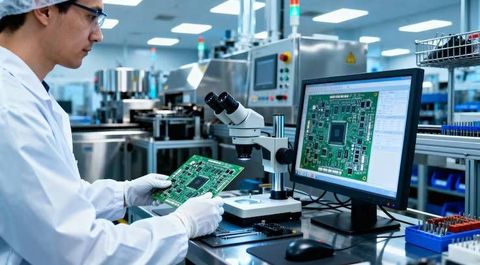
Microscopes and imaging systems: Examine surface condition, filament damage, and visible defects.
Thermal analysis instruments: Study material behavior under controlled heating conditions.
Surface analysis tools: Examine surface characteristics that may influence bonding with resin systems.
Dimensional measurement equipment: Checks relevant filament, tow, or package characteristics.
Test methods and sample preparation must be appropriate for the fiber grade. Results from different methods may not be directly comparable without considering the testing conditions.
Technical Standards and Engineering Resources
ASTM International, ISO, and relevant national standards bodies publish technical documents for material testing, quality management, and industrial safety. The Central Pollution Control Board and applicable State Pollution Control Boards provide information about environmental requirements in India.
Manufacturers can also use process flow diagrams, preventive maintenance schedules, equipment inspection checklists, and batch quality records. These documents help connect production settings with material test results and support consistent operating procedures.
FAQs
What machines are used in an industrial carbon fiber production line?
Common equipment includes precursor fiber systems, stabilization ovens, carbonization furnaces, surface treatment units, sizing applicators, winding machines, and laboratory testing instruments. The exact configuration depends on the precursor and required fiber properties.
How is carbon fiber manufactured in industrial production lines?
In a typical PAN-based process, precursor fibers undergo stabilization, carbonization, surface treatment, sizing, and winding. Each stage changes or protects the material, helping produce fibers with the required structural and surface characteristics.
What quality control tests are used in carbon fiber manufacturing?
Common assessments include tensile strength testing, surface inspection, dimensional checks, and evaluation of relevant thermal or chemical properties. Manufacturers select tests according to product specifications and the intended application.
What are the main challenges in carbon fiber production?
Major challenges include high thermal energy requirements, process stability, fiber breakage, contamination, emissions management, and consistent product quality. Equipment maintenance and careful monitoring help manufacturers manage these issues.
Which standards apply to industrial carbon fiber production?
Relevant standards may come from ASTM International, ISO, and national standards bodies. Applicable environmental, workplace safety, and export requirements depend on the manufacturing location, product specifications, and intended use.
Conclusion
Industrial carbon fiber production lines combine specialized machinery and controlled processing stages to convert precursor materials into high-performance fibers. Stabilization, carbonization, surface treatment, sizing, and winding each influence the resulting material. Automation, energy management, and laboratory testing support production consistency, while environmental and workplace rules shape facility operations. Equipment configurations and compliance requirements vary according to the material, manufacturing process, and intended application.