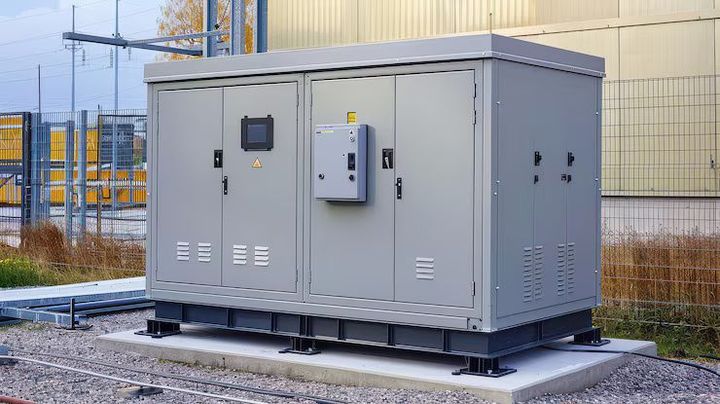
Hybrid Power Generators Guide With Advanced Energy Systems and Power Management Technology
Hybrid power generators combine two or more energy sources to produce electricity with coordinated power management. A typical system may combine a conventional generator with solar panels, batteries, or another renewable energy source. Hybrid power generators exist because electricity demand can change throughout the day, while individual energy sources may not always produce power continuously.
Modern hybrid generator systems use controllers, battery storage, sensors, and automated switching to coordinate available energy sources. This approach can support electricity needs in construction areas, remote locations, commercial facilities, agricultural operations, emergency facilities, and temporary power installations.
Context
What Are Hybrid Power Generators?
A hybrid power generator is an integrated electricity system that uses multiple power sources rather than relying on one generator alone. One common configuration combines a diesel or natural-gas generator with solar photovoltaic panels and battery storage. Other systems can incorporate wind generation, grid electricity, or additional renewable technologies.
The central feature is the power management system. It monitors electricity demand and the availability of different energy sources, then coordinates how power is generated, stored, and distributed. This makes a hybrid system different from simply placing several generators at the same location.
How Hybrid Generator Systems Developed
Traditional generators became widely used because internal combustion engines could produce electricity whenever fuel was available. However, operating a combustion generator continuously can consume fuel even when electrical demand is relatively low.
The development of solar panels, lithium-ion batteries, digital controllers, and intelligent monitoring has enabled different technologies to operate together. Hybrid power generators now commonly use software-based controls to determine when a generator should operate, when stored electricity should be used, and when renewable generation can supply the electrical load.
Main Components
A hybrid power system can contain several components depending on its design and application.
- Generator set: Produces electricity from a fuel-based energy source when required.
- Solar photovoltaic array: Converts sunlight into electrical energy.
- Battery energy storage: Stores electricity for later use.
- Inverter: Converts electrical energy between different forms for compatible equipment.
- Hybrid controller: Coordinates the available power sources.
- Sensors and meters: Measure electricity production, battery status, and demand.
- Distribution equipment: Delivers electricity to connected loads.
The components work together through a coordinated control architecture rather than functioning as completely independent systems.
Importance
Why Hybrid Power Systems Matter
Electricity demand is rarely constant. A building, worksite, telecommunications installation, or remote facility may require significantly different amounts of electricity at different times. Running a conventional generator continuously at low demand can result in inefficient operation.
Hybrid power generators address this challenge by allowing multiple sources to contribute according to system conditions. Battery storage can handle short periods of demand, renewable generation can contribute when available, and the conventional generator can provide additional electricity when the other sources cannot meet the load.
Who Uses Hybrid Power Generators?
Hybrid generator systems can be used in many environments, including:
- Remote facilities without dependable grid connections
- Construction and infrastructure projects
- Agricultural and irrigation operations
- Telecommunications installations
- Temporary event infrastructure
- Commercial and industrial facilities
- Emergency power installations
- Research and monitoring locations
The appropriate configuration depends on electrical demand, operating conditions, available energy resources, required runtime, and local regulations.
Key Advantages and Limitations
Hybrid systems can provide several operational advantages, but they also introduce additional equipment and control requirements.
| Feature | Conventional Generator System | Hybrid Power Generator System |
|---|---|---|
| Main energy source | Usually one fuel source | Two or more energy sources |
| Battery integration | Optional or limited | Common in many configurations |
| Renewable integration | Limited | Frequently included |
| Power management | Generator controls | Integrated energy controller |
| Low-load operation | May be less efficient | Multiple sources can be coordinated |
| System complexity | Generally simpler | More components and controls |
| Monitoring | Basic to advanced | Often digital and continuous |
| Energy storage | Usually external | Frequently integrated |
Hybrid systems can reduce dependence on a single energy source, but they require careful sizing and coordination. Batteries also have operating limits related to temperature, charging, discharge rates, and useful operating life.
Recent Updates
Growth of Battery Energy Storage
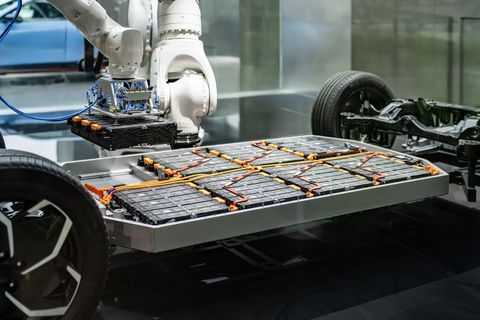
Recent developments have placed greater emphasis on battery energy storage within hybrid generator systems. Lithium-ion battery technologies have become common because they can provide relatively rapid response and support repeated charging and discharging.
Battery systems can respond to short-duration electricity demand without immediately starting a combustion generator. This can allow the generator to operate during periods when its output is more closely aligned with the electrical load.
Smarter Power Management
Digital controllers have also become more sophisticated. Modern power management platforms can monitor load demand, generator output, battery state, renewable production, and operating conditions in real time.
Some systems use predictive control methods that analyze expected energy demand and renewable generation. This can help coordinate energy sources more effectively, although actual performance depends on system design and operating conditions.
Integration With Renewable Energy
Solar energy has become a common component of hybrid power generators because photovoltaic systems can produce electricity without direct fuel consumption during operation. Solar generation can work alongside battery storage and a conventional generator, creating a multi-source electricity architecture.
Hybrid systems are also being developed for microgrids, where several energy sources and electrical loads operate together. These developments are particularly relevant to remote infrastructure and facilities that require resilient electricity systems.
Digital Monitoring and Remote Data
Remote monitoring has become another important trend. Connected sensors can provide information about generator runtime, battery condition, energy production, electrical load, and system alarms.
This information can support operational planning and equipment assessment. However, connected systems also require appropriate cybersecurity controls because network-connected energy equipment can create additional digital security considerations.
Laws or Policies
Electricity and Generator Requirements
Hybrid power generators are affected by several categories of rules. Requirements can apply to electrical installation, generator emissions, fuel handling, noise, workplace safety, environmental protection, and grid connection.
The exact requirements depend on the jurisdiction and the type of installation. A small standalone system can have different requirements from a large commercial installation connected to an electricity network.
Renewable Energy Policies
Many governments have introduced programs or policies intended to increase renewable electricity generation and energy storage. Such policies can influence the design of hybrid energy systems through technical requirements, grid-interconnection procedures, energy targets, or equipment standards.
Because policies change over time, system owners and engineers generally need to check the current requirements that apply to their installation.
Grid-Connected Systems
A hybrid power system connected to an electricity grid may need additional protection and control equipment. Grid operators can establish requirements covering voltage, frequency, synchronization, power quality, protection systems, and disconnection procedures.
Standalone systems normally have a different regulatory framework because they do not exchange electricity directly with a public grid.
Tools and Resources
Hybrid System Sizing Tools
Energy calculators can help estimate electrical demand and determine the approximate capacity of generators, solar arrays, inverters, and batteries. Basic calculations generally begin with the total electrical load and the expected operating duration.
Important measurements include:
- Peak electrical demand
- Average electrical demand
- Daily energy consumption
- Required backup duration
- Solar energy availability
- Battery capacity
- Generator capacity
- Expected operating conditions
Energy Monitoring Platforms
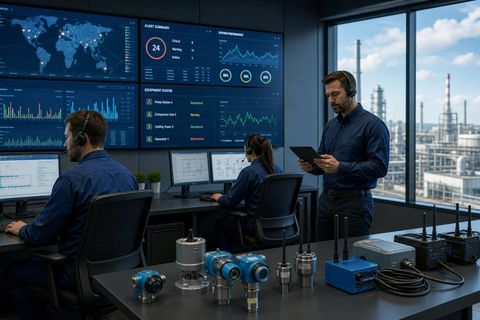
Digital energy monitoring platforms can display electricity production, consumption, battery state, and generator operation. These platforms may use dashboards, sensors, data logging, and alert systems to provide operational information.
Planning Templates
Energy planning templates can organize equipment specifications, estimated loads, operating schedules, battery requirements, renewable generation assumptions, and generator capacity. A structured template can make it easier to compare different system configurations before installation.
Technical Documentation
Manufacturer manuals, electrical diagrams, equipment specifications, maintenance schedules, and local technical standards are useful resources when understanding hybrid power generators. These documents provide information about operating limits, electrical connections, environmental conditions, and required protective equipment.
FAQs
What are hybrid power generators?
Hybrid power generators are electricity systems that combine two or more energy sources, such as a conventional generator, solar panels, batteries, or grid electricity. A controller coordinates these sources according to electrical demand and system conditions.
How does a hybrid power generator work?
A hybrid power generator uses a control system to coordinate multiple sources. Renewable electricity may supply the load when available, batteries can provide stored energy, and a conventional generator can provide additional electricity when required.
Are hybrid generator systems suitable for remote locations?
They can be suitable for remote locations where grid electricity is unavailable or unreliable. The system can combine renewable generation, battery storage, and a conventional generator to meet changing electricity requirements.
What is the role of battery storage in hybrid power generators?
Battery storage holds electrical energy for later use. In a hybrid generator system, the battery can respond to short-duration loads, store renewable electricity, and reduce the need for immediate operation of a conventional generator during some operating conditions.
What factors affect hybrid generator sizing?
Important factors include peak load, average energy consumption, required operating duration, renewable energy availability, battery capacity, generator output, environmental conditions, and applicable electrical requirements.
Conclusion
Hybrid power generators combine conventional generation, renewable energy, battery storage, and digital power management into a coordinated electricity system. Their importance has increased as energy storage, renewable technologies, intelligent controllers, and remote monitoring have developed. System performance depends on appropriate sizing, component compatibility, operating conditions, and compliance with applicable technical requirements. Hybrid energy systems therefore represent an evolving approach to managing electricity generation across remote, temporary, commercial, and industrial applications.