How-to Understand Chemical Recycling Equipment: Plastic Recycling Processes, Methods, and Practical Solutions
Chemical recycling equipment is used to convert certain plastic wastes into smaller chemical building blocks or intermediate materials that can be used again in manufacturing.
Unlike mechanical recycling, which mainly cleans, sorts, and remelts plastics, chemical recycling uses heat, solvents, catalysts, or other controlled processes to break plastic polymers into simpler substances.
Plastic chemical recycling equipment is part of a larger category of plastic recycling equipment used by processing plants, research facilities, and industrial operators. These systems may handle mixed plastic waste, contaminated plastic streams, or plastics that are difficult to recycle through conventional methods.
The development of advanced plastic recycling systems came from the need to handle plastics that are difficult to sort or reuse mechanically. Many plastic products contain additives, labels, multi-layer films, or contamination that can make traditional recycling less effective. Chemical recycling aims to address some of these challenges by changing the structure of the material rather than only cleaning and remelting it.
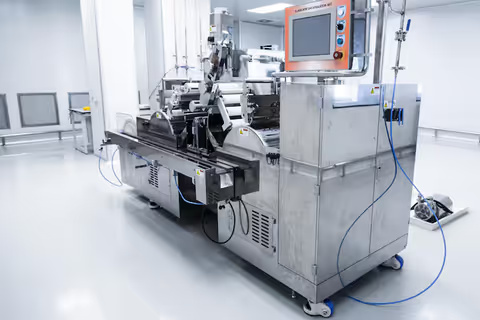
Today, chemical recycling equipment may be used in pilot plants, industrial facilities, and integrated waste processing operations. Some projects combine sorting, preprocessing, conversion, purification, and material recovery into turnkey plastic recycling plant solutions.
How Chemical Recycling Works
The exact process depends on the type of plastic and the recycling method used. Some systems use pyrolysis, which applies heat in a low-oxygen environment to break plastics into liquid or gaseous products. Others use depolymerization, gasification, solvent-based separation, or catalytic conversion.
The output may include oils, monomers, gases, waxes, or other intermediate materials that can be refined and used again in industrial production. Because the process varies by technology and input material, plastic chemical recycling equipment is designed with flexible operating systems and strong process control.
Main Stages of the Process
Most chemical recycling operations include several stages.
Common stages include:
- Material receiving
- Sorting
- Shredding
- Washing
- Drying
- Feeding into the conversion system
- Thermal or chemical processing
- Product separation
- Purification
- Storage or transport
Each stage supports material preparation and conversion.
Importance
Supporting Plastic Waste Management
Plastics are widely used in packaging, consumer goods, textiles, automotive products, and industrial materials. Some plastic waste streams are difficult to recycle mechanically because they are dirty, mixed, or made from materials that do not easily fit standard recycling systems.
Chemical recycling equipment provides another processing route for selected plastic waste streams.
Expanding Recycling Options
Not all plastics can be handled in the same way. Some materials may be too contaminated, too mixed, or too degraded for direct reuse through mechanical methods.
Industrial operators use chemical recycling to process certain waste streams that require an alternative treatment path.
Supporting Material Recovery
Chemical recycling systems can produce feedstocks that may be reused in new plastic production or other manufacturing processes. This can help reduce reliance on some virgin raw materials when the recovered output is suitable for reuse.
The actual use of recovered material depends on process design, product quality, and local regulations.
Improving Waste Stream Flexibility
Advanced plastic recycling systems can often process a wider range of plastic types than conventional recycling alone. This may be helpful for municipalities, industrial waste processors, packaging facilities, and manufacturers dealing with complex waste streams.
Supporting Industrial Planning
Enterprise plastic recycling solutions often combine receiving, sorting, conversion, monitoring, and downstream handling into one organized system. This supports plant planning and process coordination.
Major Types of Chemical Recycling Technologies
Pyrolysis Systems
Pyrolysis systems use heat in low-oxygen conditions to break plastic polymers into smaller hydrocarbon molecules. The output may be refined into fuels, oils, or feedstocks depending on facility design and regulatory rules.
Depolymerization Systems
Depolymerization breaks certain plastics back into monomers or smaller molecular units. This can be useful for some polyester and condensation polymers.
Solvent-Based Systems
Some equipment uses solvents to dissolve or separate plastics under controlled conditions. This method may help recover selected polymer fractions from mixed material streams.
Gasification Systems
Gasification converts plastic waste into syngas or other gaseous products under high-temperature conditions with controlled oxygen supply.
Hybrid Systems
Some facilities use multiple process types in sequence. These hybrid systems may combine preprocessing, thermal conversion, and purification steps to support different plastic feedstocks.
Typical Equipment in a Chemical Recycling Plant
| Equipment Type | Main Function |
|---|---|
| Sorting systems | Separate acceptable material streams |
| Shredders | Reduce material size |
| Washing units | Remove dirt and contamination |
| Drying systems | Lower moisture content |
| Feed hoppers | Control input flow |
| Reactors | Perform conversion processing |
| Condensers | Recover vapors or liquids |
| Separation units | Divide products by type |
| Storage tanks | Hold recovered materials |
| Control systems | Monitor process operation |
This equipment works together across the recycling plant.
General Process Flow
| Stage | Purpose |
| Collection | Gather plastic waste |
| Preprocessing | Sort, shred, and clean |
| Conversion | Apply heat, catalysts, or chemicals |
| Product recovery | Collect output streams |
| Purification | Improve product quality |
| Storage | Prepare materials for transport or reuse |
The exact sequence depends on the recycling method used.
Recent Updates
Increased Automation
Between 2024 and 2026, chemical recycling plants have continued adding more automation to sorting, feed control, and process monitoring. Sensors now track temperatures, gas flows, and output conditions throughout many facilities.
Digital Monitoring
Modern plant operators increasingly use connected software to observe process performance in real time. These systems help track equipment status and operating conditions across multiple stages.
Improvements in Preprocessing
Material sorting and cleaning systems have improved as recycling facilities attempt to reduce contamination before plastics enter the conversion stage. Better preprocessing can improve process consistency.
Focus on Process Validation
Research and industrial projects continue examining how different plastics behave during chemical recycling. This has increased attention on product quality, process efficiency, and output verification.
Integration With Manufacturing Systems
Some large operations now connect chemical recycling systems with industrial production planning software and plant monitoring tools. This helps align recycled output with downstream manufacturing needs.
Laws or Policies
Chemical recycling facilities operate within regulatory frameworks that may include environmental rules, waste handling requirements, air emission limits, fire protection standards, and industrial safety regulations.
Common regulatory areas include:
- Waste classification
- Environmental permitting
- Air emission control
- Water discharge management
- Storage and transport rules
- Occupational safety standards
- Process equipment inspection
- Chemical handling rules
Rules differ by country and may also differ by region within a country. Some plastics may be treated as waste before processing, while other recovered outputs may be regulated as intermediate materials or industrial feedstocks. Facility operators generally need to follow the requirements that apply to their specific process and location.
Tools and Resources
Several educational resources help engineers, students, policymakers, and industrial operators understand chemical recycling technologies.
Useful resources include:
- Waste management textbooks
- Polymer science references
- Engineering process simulation software
- Industrial automation platforms
- Environmental regulation guides
- Chemical process safety manuals
- Research publications on plastics recycling
- Process flow design tools
- Manufacturing execution systems
- Technical conference materials
These resources explain material handling, process design, product recovery, and industrial control methods.
FAQs
What is chemical recycling equipment?
Chemical recycling equipment includes machines and systems used to convert certain plastic wastes into chemical feedstocks, oils, gases, or other intermediate materials through thermal, chemical, or catalytic processes.
How is plastic chemical recycling equipment different from mechanical recycling equipment?
Plastic chemical recycling equipment breaks plastics into smaller chemical components, while mechanical recycling equipment mainly cleans, sorts, and remelts plastic material without changing its chemical structure.
What types of plastics can advanced plastic recycling systems handle?
Advanced plastic recycling systems may process selected mixed plastics, contaminated plastics, multilayer plastics, and other difficult waste streams depending on the technology and facility design.
What is included in turnkey plastic recycling plant solutions?
Turnkey plastic recycling plant solutions generally include sorting, preprocessing, conversion systems, purification units, storage equipment, and process control tools within one integrated plant layout.
Why do enterprise plastic recycling solutions matter?
Enterprise plastic recycling solutions help large operators manage collection, preprocessing, conversion, and monitoring in a coordinated way across industrial recycling facilities.
Conclusion
Chemical recycling equipment is one of several technologies being used to manage plastic waste and recover useful materials from selected feedstocks. Plastic chemical recycling equipment, plastic recycling equipment, and advanced plastic recycling systems each support different processing needs depending on the waste stream and the technology used. Continued improvements in automation, monitoring, and process design are shaping how these systems are used in industrial recycling operations. As interest in circular material use continues, chemical recycling will remain one part of the broader plastics recycling landscape.