Home Gym Guide: Equipment Options, Workout Routines, Space Requirements and Key Features
A home gym is a dedicated area in a house or apartment where people can perform strength, mobility, cardiovascular, and flexibility exercises without depending on a commercial fitness facility. A Home Gym Guide helps explain equipment options, workout routines, space requirements, and key features so that different users can understand how a home exercise area can be organized. The idea developed from simple home exercise practices and has expanded with compact machines, adjustable weights, resistance tools, digital workout platforms, and connected devices.
Context
What a Home Gym Includes
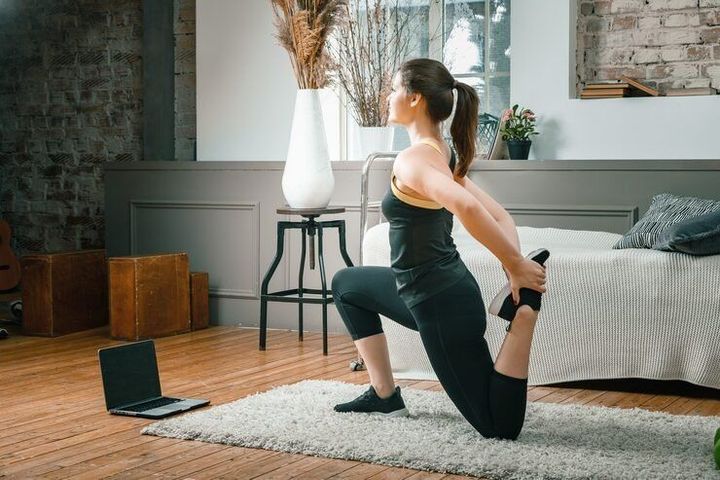
A home gym does not have to be a separate room. It can be a corner of a bedroom, a section of a living area, a garage, or another suitable space. The equipment can range from a yoga mat and resistance bands to a bench, dumbbells, stationary bike, treadmill, cable system, or multi-use rack.
The main purpose is to create a practical setting for regular physical activity. Equipment selection usually depends on the type of exercise, available floor area, storage needs, user experience, and household conditions. A smaller space may favor foldable or adjustable equipment, while a larger room can accommodate several exercise stations.
Common Equipment Options
Strength training equipment can include dumbbells, kettlebells, resistance bands, weight plates, barbells, benches, squat racks, and cable systems. These tools can support movements such as squats, presses, rows, lunges, and controlled resistance exercises.
Cardiovascular equipment includes treadmills, exercise bikes, rowing machines, ellipticals, and compact step machines. Mobility and flexibility work may require only a mat, foam roller, stretching strap, or similar accessory.
| Equipment type | Typical use | Space consideration | Key feature |
|---|---|---|---|
| Dumbbells | Strength exercises | Low | Adjustable or fixed weights |
| Resistance bands | Strength and mobility | Very low | Multiple resistance levels |
| Exercise bench | Presses and supported exercises | Moderate | Adjustable positions |
| Treadmill | Walking and running | High | Folding design can reduce storage area |
| Exercise bike | Cardiovascular exercise | Moderate | Adjustable seat and resistance |
| Rowing machine | Full-body cardiovascular work | Moderate to high | Rail length and storage position |
| Power rack | Barbell exercises | High | Safety supports and height range |
Importance
Why Home Exercise Spaces Matter
A home exercise area can reduce the need to travel to another location for routine workouts. It can also make it easier to fit short exercise sessions around household schedules, although regular use still depends on personal habits and suitable planning.
Home gyms are relevant to people with different fitness goals. One person may focus on strength training, another may prefer walking or cycling, while another may use the space for stretching, balance, or general movement. A flexible setup can support several activities without requiring every type of equipment.
Common Planning Challenges
Space is one of the main practical issues. Equipment needs enough room for normal movement, adjustment, storage, and safe access. Ceiling height can also matter for overhead exercises, racks, or machines with tall frames.
Floor conditions are another consideration. Heavy equipment may require a stable surface and appropriate flooring to reduce movement and protect the underlying floor. Noise and vibration may also matter in apartments or shared buildings.
A simple planning checklist can include:
- Measure the available floor and ceiling area.
- Identify the exercises that will be performed most often.
- Check equipment dimensions when assembled and when stored.
- Leave clear movement space around exercise stations.
- Consider ventilation, lighting, and electrical access.
- Keep weights and accessories organized to reduce trip hazards.
Recent Updates
Home Gym Trends from 2024–2026
Home fitness equipment has increasingly focused on flexibility, compact design, adjustable resistance, and digital integration. Foldable treadmills, adjustable dumbbells, modular benches, compact cable systems, and multi-purpose racks are commonly discussed as ways to use limited residential space more efficiently.
Connected equipment has also become more common. Some machines can display workout information, connect with mobile applications, record exercise sessions, or provide guided routines. These features can help users monitor activity, but they do not replace basic considerations such as correct technique, suitable intensity, and adequate recovery.
Another trend is the use of mixed workout spaces. Instead of creating a room around one machine, households may combine strength equipment with a mat area, mobility tools, and a compact cardiovascular device. This approach can make the same floor area useful for several forms of exercise.
Changes in Workout Routines
Home workout routines have also become more varied. Short full-body sessions, strength circuits, mobility sessions, walking workouts, and interval-based cardiovascular routines can all be performed with different equipment combinations.
A simple weekly structure might include strength sessions on selected days, moderate cardiovascular activity on other days, and mobility or recovery-focused movement between them. The exact schedule can vary according to fitness level, health status, personal goals, and guidance from a qualified professional when needed.
Laws or Policies
Consumer and Product Rules in India
In India, home gym equipment is affected by general consumer protection, product information, packaging, and applicable standards rather than one single law specifically covering every home gym. The Consumer Protection Act, 2019 provides a broader framework for consumer rights and product-related concerns.
For packaged products, the Legal Metrology (Packaged Commodities) Rules, 2011 set requirements for specified declarations on retail packages. Government information has also described ongoing consideration of changes to the rules for packaged commodities, so current requirements should be checked when relevant.
Standards and Equipment Safety
The Bureau of Indian Standards maintains standards that can apply to particular products. BIS states that its standards can be searched by product name or keyword, while compulsory certification applies only to products covered by the relevant government requirements. This means users should not assume that every type of home gym equipment has the same certification requirement.
Electrical equipment can have additional requirements depending on its product category and applicable Indian Standards. For a specific treadmill, bike, electronic accessory, or other powered device, the applicable standard and certification status should be checked separately.
Apartment residents may also need to follow building or housing-association rules concerning noise, floor loading, shared areas, and equipment placement. These are local or property-specific requirements rather than a single national home-gym rule.
Tools and Resources
Space and Workout Planning Tools
A measuring tape or room-measurement application can help record floor dimensions before equipment is arranged. A simple floor plan can mark the equipment footprint, walking paths, storage zones, doors, windows, and electrical points.
Workout planning can be handled with a calendar, spreadsheet, exercise log, or fitness application. Useful records can include exercise name, sets, repetitions, resistance level, duration, rest periods, and perceived effort. Keeping these details together can make changes in a routine easier to understand.
Standards and Information Resources
The BIS “Know Your Standard” portal allows users to search Indian Standards by standard number or keyword. The BIS CARE application also provides access to standards information, licence verification features, and consumer education resources.
For packaged equipment, product labels and documentation can be reviewed for manufacturer information, model details, dimensions, electrical specifications where relevant, and applicable safety information. These details are useful when comparing equipment specifications with the available home space.
FAQs
What equipment is needed for a home gym?
A basic home gym can use a mat, resistance bands, adjustable dumbbells, and an exercise bench. Larger setups may include a rack, cable system, treadmill, bike, or rowing machine depending on the workout routine and available space.
How much space is needed for a home gym?
The required area depends on the equipment and exercises. A small exercise corner may support mat work and resistance training, while treadmills, racks, and machines need additional clearance for movement, access, and safe operation.
What should a Home Gym Guide include?
A useful Home Gym Guide should cover equipment options, workout routines, space requirements, storage, flooring, ventilation, lighting, and key features. It should also explain how equipment dimensions and exercise movements affect the layout.
Are home gym equipment standards required in India?
Requirements depend on the specific product and applicable regulation. BIS explains that some products have compulsory certification while other standards are voluntary, so the relevant product category should be checked rather than applying one rule to all equipment.
What are useful home gym workout routines?
Common routines include full-body strength sessions, cardiovascular workouts, mobility sessions, resistance circuits, and mixed routines. The appropriate structure depends on individual fitness level, goals, recovery needs, and any relevant health considerations.
Conclusion
A home gym can range from a small exercise corner to a dedicated room with several equipment types. Equipment selection, workout routines, space requirements, flooring, storage, and safety features all influence how the area functions. In India, general consumer rules and applicable product standards may affect particular equipment categories. A clear layout and organized routine can help explain how a home exercise space is used without requiring a large or highly specialized setup.