Guide to Heat Shrink Tunnels: Types, Features, and Industrial Uses
In industrial packaging, efficiency, durability, and presentation are key. One solution that plays a critical role in achieving these goals is the heat shrink tunnel. Whether it's packaging consumer goods, pharmaceuticals, or food products, heat shrink tunnels are widely used to seal items in shrink film, creating tamper-evident and tightly wrapped packages.
This article provides a detailed, easy-to-understand guide on heat shrink tunnels—their benefits, limitations, types, key features, innovations, and industrial applications. Whether you are considering investing in one for your business or simply trying to understand how they work, this guide will offer a helpful overview.
What is a Heat Shrink Tunnel?
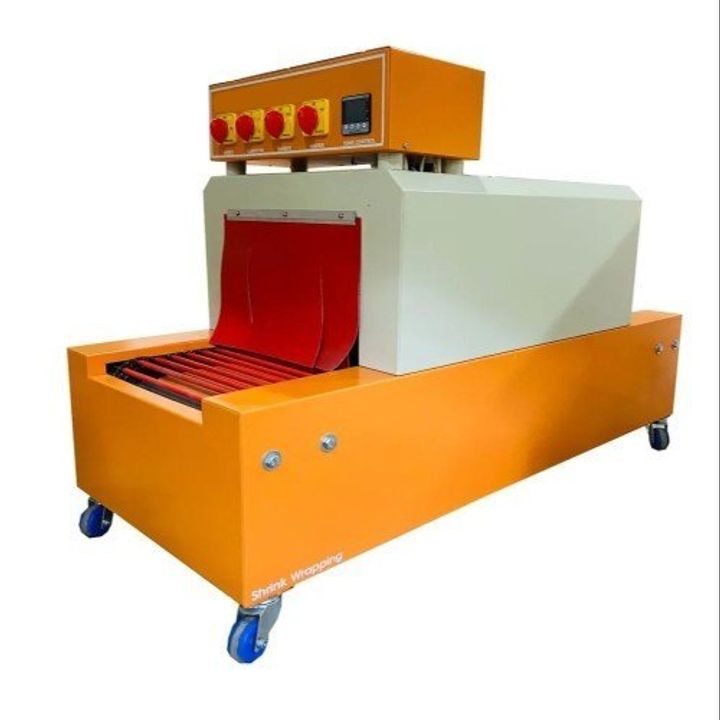
A heat shrink tunnel is a machine designed to apply heat to shrink film (usually plastic) around products. After items are enclosed in shrink film using a wrapping machine or manually, they pass through a heat tunnel on a conveyor belt. The heat causes the film to shrink tightly around the product, conforming to its shape.
These tunnels are found in industries like:
-
Food and beverage
-
Pharmaceuticals
-
Cosmetics
-
Electronics
-
Publishing
-
Consumer goods
Benefits of Heat Shrink Tunnels
1. Improved Product Protection
Shrink wrap protects products from dust, moisture, and tampering. This is essential for goods in storage or transit.
2. Enhanced Packaging Appearance
Shrink film creates a tight, neat look that improves shelf appeal without requiring bulky packaging.
3. Cost-Effective for Bulk Packaging
Heat tunnels are efficient for bundling multiple items together, reducing the need for separate containers.
4. Speed and Consistency
Automated heat shrink tunnels can handle high volumes with uniform wrapping quality.
5. Compatibility with Various Films
They can be used with PVC, polyolefin, polyethylene, and other shrink materials.
Limitations of Heat Shrink Tunnels
1. Energy Consumption
Tunnels use significant heat and electricity, especially for heavy-duty models.
2. Initial Investment
Commercial-grade machines can be expensive and may require space and special installation.
3. Film Limitations
Shrink films are mostly plastic-based, which raises environmental concerns unless recyclable options are used.
4. Maintenance Requirements
Like any industrial machine, heat tunnels require periodic maintenance for safety and efficiency.
Types of Heat Shrink Tunnels
Heat shrink tunnels vary based on their heat source, automation level, and application area. Here are the most common types:
| Type | Description | Best For |
|---|---|---|
| Electric Heat Tunnels | Use electric heating elements for uniform heat distribution | Clean environments, lower-volume operations |
| Steam Shrink Tunnels | Use steam for gentle, uniform heat—ideal for delicate labels | Bottles with shrink sleeves, cosmetics |
| Infrared Heat Tunnels | Use infrared lamps for targeted heating with faster response | Energy efficiency and quick heat-up |
| Gas-Fired Tunnels | Use natural gas or propane; faster heating and lower operating costs | High-volume industrial packaging |
| Conveyor vs. No Conveyor | Integrated conveyor systems or standalone tunnels | Flexible installation |
| Manual vs. Automatic | Varies in automation level from manual feeding to fully automatic | Customized production needs |
Latest Trends and Innovations
1. Eco-Friendly Film Compatibility
Manufacturers are producing tunnels compatible with biodegradable or recyclable films in response to sustainability demands.
2. Compact and Modular Designs
Space-saving and modular designs are gaining popularity among smaller businesses or facilities with limited space.
3. Integrated IoT Sensors
Some machines now feature smart sensors for temperature control, diagnostics, and maintenance alerts.
4. Energy-Efficient Heating Systems
Innovative heating elements and insulation technologies are reducing energy consumption while maintaining performance.
5. Steam-Electric Hybrid Models
These combine steam and electric heating for enhanced flexibility in packaging different product types.
Key Features to Consider When Buying
Before choosing a heat shrink tunnel, consider the following essential features:
| Feature | Why It Matters |
|---|---|
| Temperature Control | Ensures film shrinks properly without burning or under-shrinking |
| Tunnel Size | Must match your product dimensions for uniform shrinkage |
| Conveyor Speed | Adjustable speed enables synchronization with upstream machines |
| Material Compatibility | Supports various film types (PVC, polyolefin, etc.) |
| Heating Technology | Infrared, steam, or convection heating based on product needs |
| Build Quality | Industrial-grade materials ensure long-term durability |
| Energy Efficiency | Impacts operating cost and environmental footprint |
| Ease of Cleaning | Especially critical for food and pharmaceutical industries |
| Safety Features | Emergency stops, thermal shields, and auto shut-offs prevent accidents |
Top Heat Shrink Tunnel Manufacturers
Below are some of the leading companies known for reliable heat shrink tunnel machines. Always verify the latest models and compare based on your specific requirements.
| Company | Specialty | Website |
|---|---|---|
| Pax Packaging | Full-body steam tunnels, sleeve systems | www.paxpkg.com |
| ARPAC | Custom shrink packaging systems | www.arpac.com |
| Shanklin (Sealed Air) | Electric and steam shrink tunnels | www.sealedair.com/shrink-packaging |
| Texwrap | High-speed shrink systems | www.texwrap.com |
| Heat Seal | Entry-level and commercial shrink tunnels | www.heatsealco.com |
| Kallfass | German-made automatic packaging lines | www.kallfass.com |
| Eastey | Affordable machines for small businesses | www.eastey.com |
How to Choose the Right Heat Shrink Tunnel
Use the checklist below to guide your decision-making process:
Heat Shrink Tunnel Selection Checklist:
-
Know your product size and shape
-
Estimate daily packaging volume
-
Choose appropriate heating method (steam, electric, etc.)
-
Check compatibility with your preferred film
-
Ensure it fits within your production space
-
Look for adjustable speed and temperature controls
-
Verify maintenance and support availability
-
Consider energy usage and cost per cycle
-
Decide between manual or automated feeding
-
Check safety and compliance standards
Tips for Best Use and Maintenance
1. Preheat Properly
Allow the tunnel to reach operating temperature before sending products through.
2. Monitor Conveyor Speed
Adjust speed to match film shrinkage behavior and avoid wrinkles or bubbles.
3. Regular Cleaning
Keep the conveyor and tunnel interior clean, especially when working with food or sticky films.
4. Inspect Heating Elements
Regularly check and replace worn-out heating coils, fans, or sensors.
5. Use Compatible Films
Always use shrink film recommended by the manufacturer to avoid jamming or melting issues.
6. Perform Periodic Calibration
Ensure the temperature sensors and controllers are calibrated for consistent results.
7. Document Settings
Record temperature and speed settings for different products to simplify repeat batches.
FAQs: Real User Concerns
Q: Can heat shrink tunnels handle irregularly shaped products?
Yes, but product-specific settings and compatible films are necessary for optimal results.
Q: Are shrink tunnels safe to operate?
When used correctly with safety guards and emergency shut-offs, they are generally safe.
Q: How much space does a typical tunnel require?
Small models can fit on a tabletop, while industrial versions may require several meters of space.
Q: Do these machines need special installation?
Some models require dedicated electrical or gas connections. Always check specifications.
Q: Can I use any type of shrink film?
No. Use the type specified by the manufacturer for your machine and product type.
Q: What is the average cost of a heat shrink tunnel?
Basic machines start around $2,000–$5,000, while industrial systems can exceed $20,000 depending on features and capacity.
Q: How fast can a shrink tunnel process items?
Typical speeds range from 20 to over 100 packages per minute depending on machine specs.
Conclusion
Heat shrink tunnels play a pivotal role in modern packaging operations. Their ability to secure, protect, and enhance the presentation of products makes them a vital tool across industries. While choosing the right machine depends on your specific needs, understanding the types, features, and operational considerations is key.