Green Ammonia Equipment Guide: Electrolyzers, Reactors, Storage and Processing Technologies
A Green Ammonia Equipment Guide explains the technologies used to produce, process, store, and transport ammonia made using renewable energy and low-emission production methods. Green ammonia is generally produced by combining hydrogen obtained through water electrolysis powered by renewable electricity with nitrogen separated from air. The resulting ammonia, which has the chemical formula NH₃, can be used in fertilizer production, industrial processes, and some emerging energy applications.
Context
A Green Ammonia Equipment Guide explains the technologies used to produce, process, store, and transport ammonia made using renewable energy and low-emission production methods. Green ammonia is generally produced by combining hydrogen obtained through water electrolysis powered by renewable electricity with nitrogen separated from air. The resulting ammonia, which has the chemical formula NH₃, can be used in fertilizer production, industrial processes, and some emerging energy applications.
Conventional ammonia production commonly relies on hydrogen derived from natural gas or other fossil fuels. Green ammonia aims to reduce emissions associated with hydrogen production by using renewable electricity, although the overall environmental impact depends on the electricity source, equipment efficiency, construction, and other stages of the supply chain.
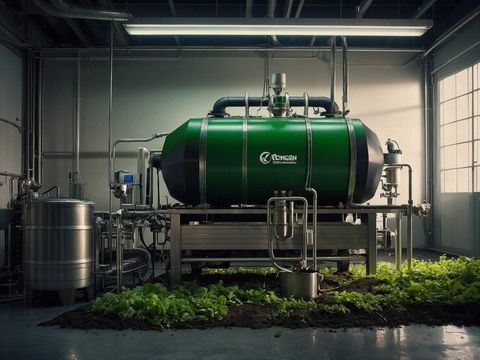
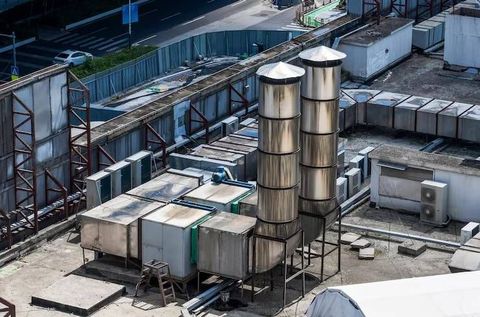
Producing green ammonia requires several connected systems rather than a single machine. These include water treatment equipment, electrolyzers, air separation units, hydrogen and nitrogen compression systems, ammonia synthesis reactors, cooling equipment, storage tanks, and process-control instruments.
Main Equipment Used in Green Ammonia Production
Each equipment category performs a specific function in the production process. The systems must operate together under controlled pressure, temperature, flow, and safety conditions.
Water treatment systems: Prepare water to the required quality for electrolysis.
Electrolyzers: Use electricity to separate water into hydrogen and oxygen.
Air separation equipment: Supplies nitrogen from atmospheric air.
Compressors: Raise the pressure of hydrogen and nitrogen for downstream processes.
Ammonia synthesis reactors: Facilitate the chemical reaction between hydrogen and nitrogen.
Cooling and separation systems: Remove heat and separate ammonia from unreacted gases.
Storage and transfer equipment: Hold ammonia under suitable conditions and move it through controlled pipelines or loading systems.
The configuration varies according to plant capacity, operating conditions, energy availability, and the intended use of the ammonia. Small demonstration plants may use different arrangements from large industrial facilities connected to fertilizer production or export terminals.
How Green Ammonia Is Produced
The process begins with water preparation and hydrogen generation. An electrolyzer uses electrical energy to split water into hydrogen and oxygen. At the same time, an air separation system prepares nitrogen, which is required for ammonia synthesis.
The hydrogen and nitrogen streams are then purified, compressed, and delivered to a synthesis loop. Inside the reactor, the gases react over a suitable catalyst under controlled conditions to form ammonia. Cooling and separation equipment recover the ammonia, while unreacted gases may be circulated back through the process.
The overall chemical reaction is represented as:
[
N_2 + 3H_2 \rightleftharpoons 2NH_3
]
This reaction is reversible, so reactor pressure, temperature, catalyst selection, and gas composition affect the process. The finished ammonia is subsequently cooled or compressed as required by the storage system and intended application.
Importance
Green ammonia equipment matters because ammonia is an important industrial chemical used extensively in nitrogen-based fertilizers and other manufacturing processes. Producing it with renewable hydrogen creates a pathway for reducing emissions from a sector that traditionally depends on fossil-based feedstocks.
The technology may also support energy storage and the movement of renewable energy between regions. Renewable electricity can be used to produce hydrogen, which is then converted into ammonia for storage or transport. However, converting electricity into ammonia and later converting ammonia back into useful energy involves energy losses, so the suitability of this pathway depends on the application.
Industrial and Energy Applications
Green ammonia production systems may serve several industries and purposes:
Fertilizer manufacturing: Supplies ammonia for producing nitrogen fertilizers and related chemicals.
Chemical processing: Provides a feedstock for selected industrial products.
Energy storage: Stores some of the energy initially used to produce hydrogen.
Shipping and transport research: Supports development of ammonia as a potential marine fuel, subject to engine, emissions, and safety requirements.
Power generation research: Enables investigation of ammonia combustion or co-firing in suitable equipment.
These applications have different technical requirements. Ammonia used as a chemical feedstock must meet the relevant purity specifications, while fuel applications require additional attention to combustion behavior, nitrogen oxide emissions, and handling risks.
Main Engineering Challenges
Green ammonia facilities must manage variable renewable electricity, gas purity, process efficiency, and equipment reliability. Electrolyzers may need to respond to changes in power availability, while synthesis systems often benefit from stable operating conditions. Integrating these different operating requirements can require hydrogen buffers, flexible controls, or carefully designed production schedules.
Ammonia also presents safety challenges. It is toxic, can irritate or damage the eyes and respiratory system, and requires controlled handling. Appropriate ventilation, leak detection, containment, emergency planning, worker training, and protective equipment are essential parts of plant design.
Recent Updates
Green ammonia development has increasingly focused on integrating renewable electricity, electrolyzer technology, flexible plant operation, and industrial-scale synthesis equipment. Across 2024–2026, projects and research have continued to examine how production systems can operate alongside variable solar and wind generation. Project status, technical performance, and commercial deployment differ by region and facility, so proposed capacity should not be confused with operating production.
Developments in Electrolyzer Technology
Water electrolyzers commonly use alkaline or proton exchange membrane technology. Solid oxide electrolyzers are another technology under development and deployment in selected applications, operating at high temperatures and using different materials and system designs.
Alkaline electrolyzers have a long history of industrial use, while proton exchange membrane systems can respond relatively quickly to changing electrical input. Solid oxide systems may achieve useful efficiencies when suitable high-temperature heat is available, but their operating requirements differ. Selection depends on factors such as power profile, water quality, operating temperature, maintenance needs, and integration with the ammonia plant.
Research also continues on improving electrolyzer materials, reducing degradation, and coordinating hydrogen production with downstream synthesis. Actual performance depends on the complete system, including power conversion, water treatment, gas purification, compression, and auxiliary equipment.
Flexible Ammonia Synthesis and Plant Integration
Traditional ammonia synthesis plants are designed around continuous operation and established process conditions. Newer green ammonia projects are exploring operating strategies that accommodate changing renewable electricity supply while maintaining suitable conditions in the synthesis loop.
These approaches may use intermediate hydrogen storage, process-control software, modular equipment, and coordinated scheduling. Such systems can help separate the timing of hydrogen generation from ammonia synthesis, although storage capacity, system complexity, and operational constraints must be evaluated for each facility.
Digital Monitoring and Environmental Assessment
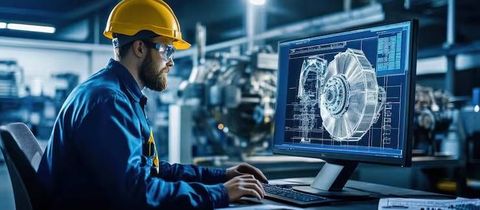
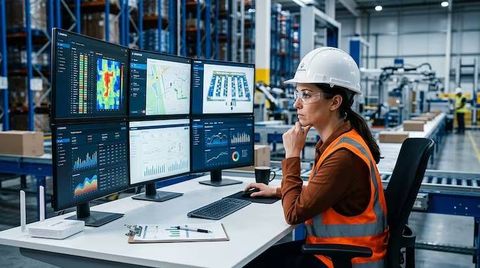
Modern plant designs increasingly incorporate digital sensors, automated controls, and equipment-monitoring software. These tools can track pressure, temperature, gas composition, energy use, and equipment condition. They also support maintenance planning and the investigation of unusual operating conditions.
Environmental assessment has become another important area of project planning. The climate impact of green ammonia depends on the electricity source, production efficiency, equipment manufacture, transport, and potential emissions during use. Clear accounting across the full production pathway is necessary when comparing different ammonia production methods.
Laws or Policies
Green ammonia equipment is affected by industrial safety requirements, environmental regulations, pressure-equipment standards, electrical safety rules, and policies governing renewable hydrogen. Requirements differ by country and depend on the plant's location, capacity, processes, and intended use.
Green Hydrogen and Ammonia Policy in India
India's National Green Hydrogen Mission provides a policy framework for developing green hydrogen production, supporting infrastructure, and related industrial applications. Green ammonia is relevant to this framework because renewable hydrogen can be combined with nitrogen to produce ammonia for fertilizer manufacturing and other uses.
The Ministry of New and Renewable Energy (MNRE) coordinates the mission, while other government bodies may be involved in industrial approvals, energy regulation, environmental compliance, and fertilizer-related requirements. Project eligibility and applicable incentives depend on the specific scheme, current guidelines, and relevant approval conditions.
Industrial Safety and Environmental Requirements
Green ammonia facilities may require environmental approvals, hazardous-chemical management procedures, fire and emergency planning, and compliance with applicable factory and occupational safety laws. Pressure vessels, pipelines, electrical installations, and lifting equipment may also be subject to relevant Indian standards and inspection requirements.
Ammonia storage and handling require particular attention because releases can endanger workers and nearby communities. Facilities need suitable containment, leak detection, ventilation, emergency procedures, and personnel training. Requirements should be determined using the applicable regulations and the facility's technical design.
Tools and Resources
Technical resources help engineers, project planners, and readers understand green ammonia equipment, compare process configurations, and evaluate energy requirements. The appropriate resource depends on whether the objective is preliminary research, process simulation, equipment selection, or regulatory planning.
Engineering and Technical Resources
The following organizations publish information relevant to green ammonia and its equipment:
International Energy Agency (IEA): Research on hydrogen, ammonia production, energy transitions, and industrial emissions.
International Renewable Energy Agency (IRENA): Reports on renewable hydrogen, ammonia production pathways, and energy-system integration.
Ministry of New and Renewable Energy (MNRE), India: Information about national renewable hydrogen policies and related programs.
Bureau of Indian Standards (BIS): Indian technical standards relevant to equipment, materials, and industrial safety.
National Green Hydrogen Mission: Policy information on hydrogen development and associated industrial infrastructure.
Calculators and Process-Planning Tools
Engineering teams may use process simulation software to model ammonia synthesis, heat exchange, compression, and gas separation. Energy calculators can estimate the electricity required for hydrogen production, while material-balance spreadsheets can help track hydrogen, nitrogen, ammonia, and process losses.
A preliminary assessment may include electrolyzer capacity, renewable electricity availability, water requirements, hydrogen buffer capacity, synthesis-loop operating conditions, and storage volume. These estimates are planning inputs rather than substitutes for detailed engineering, equipment certification, or a site-specific safety assessment.
FAQs
What equipment is required for green ammonia production?
Green ammonia production generally requires water treatment systems, electrolyzers, air separation equipment, gas compressors, synthesis reactors, cooling systems, gas separators, storage tanks, and process controls. The exact configuration depends on plant capacity and operating conditions.
How do electrolyzers support green ammonia equipment systems?
Electrolyzers use electricity to split water into hydrogen and oxygen. When powered by qualifying renewable electricity, they provide the hydrogen feedstock needed for green ammonia synthesis.
What is the role of an ammonia synthesis reactor?
The reactor enables hydrogen and nitrogen to react over a catalyst under controlled pressure and temperature. Downstream cooling and separation equipment recover the ammonia produced in the process.
How is green ammonia stored safely?
Storage systems are designed for ammonia's chemical properties and the selected storage conditions. Suitable tanks, compatible materials, monitoring instruments, containment measures, and emergency procedures are necessary to manage leakage and exposure risks.
What policies support green ammonia development in India?
India's National Green Hydrogen Mission provides a framework for developing renewable hydrogen and related applications, including green ammonia. Specific projects must also comply with applicable environmental, industrial safety, and equipment regulations.
Conclusion
Green ammonia production combines electrolyzers, nitrogen separation, compressors, synthesis reactors, processing systems, and storage equipment. Industry developments increasingly focus on renewable electricity integration, flexible operation, digital monitoring, and lifecycle emissions assessment. In India, national hydrogen policy supports the wider development of this industrial pathway, alongside applicable safety and environmental requirements. Equipment selection and plant operation depend on technical specifications, energy availability, process conditions, and risk management.