Great Barrier Reef Cruises Overview With Boat Tours, Island Visits, and Travel Planning
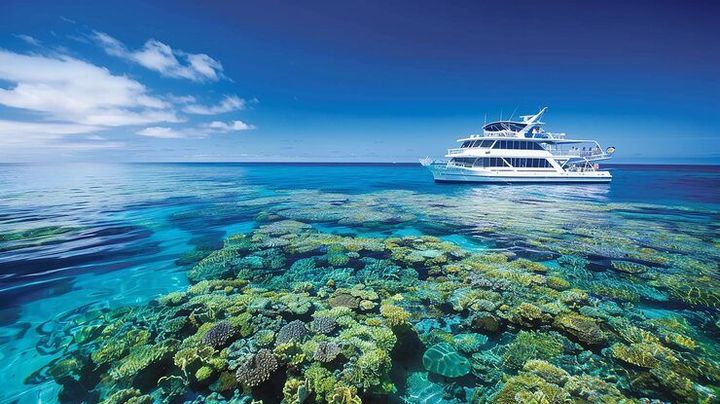
Great Barrier Reef cruises provide a way to explore one of the world's most recognized marine environments through boat tours, island visits, snorkeling, diving, and sightseeing. Located off the northeastern coast of Australia, the Great Barrier Reef stretches across a vast area of the Coral Sea and contains thousands of individual reefs, islands, and smaller coral formations.
Its diverse marine habitats support numerous fish species, sea turtles, corals, seabirds, and other ocean wildlife.
Great Barrier Reef cruises operate from coastal departure points, including Cairns, Port Douglas, and Airlie Beach. Different routes provide access to outer reef locations, sheltered island waters, coral beaches, and scenic coastal landscapes. Depending on the itinerary, passengers may spend several hours on the water or combine a boat journey with an extended island visit.
Understanding Great Barrier Reef Boat Tours
Boat tours vary according to vessel type, destination, travel duration, and onboard facilities. Catamarans, sailing vessels, motorboats, and larger excursion boats serve different travel preferences. Some trips focus on snorkeling and diving, while others emphasize sightseeing, underwater viewing, or island exploration.
Common activities include:
Snorkeling above shallow coral formations.
Scuba diving with qualified instructors or guides where available.
Viewing marine habitats through glass-bottom boats or underwater observation areas.
Walking along designated island trails and beaches.
Learning about reef ecology through educational presentations.
The appropriate itinerary depends on swimming ability, mobility, weather conditions, and the interests of individual travelers. Reviewing these factors helps establish realistic expectations before departure.
Main Departure Areas and Destinations
Cairns is a common departure point for trips to outer reef locations, where visitors can explore coral formations away from the mainland. Port Douglas provides access to several reef destinations and nearby coastal attractions. Airlie Beach serves as an important gateway to the Whitsunday Islands, where reef excursions may be combined with island sightseeing.
Green Island and Fitzroy Island are among the destinations associated with Cairns. The Whitsunday Islands provide a different experience, combining sheltered bays, forested landscapes, beaches, and access to nearby reef areas. Travel time and available activities differ between these locations.
Importance
Why Great Barrier Reef Cruises Matter
The Great Barrier Reef has ecological, educational, and cultural importance. Its coral communities provide habitat for marine species, while reef ecosystems contribute to broader ocean biodiversity. Tourism also creates economic activity for coastal communities through accommodation, transportation, hospitality, marine operations, and visitor education.
For travelers, Great Barrier Reef cruises make a large marine environment accessible without requiring private boats or advanced navigation knowledge. Organized itineraries can provide suitable equipment, safety briefings, and guidance for activities such as snorkeling.
However, reef environments face challenges associated with rising ocean temperatures, coral bleaching, severe weather, pollution, and other pressures. Responsible tourism can help visitors understand these issues, although tourism alone cannot eliminate the environmental threats affecting coral ecosystems.
Who Can Benefit From Reef Excursions?
Different types of travelers may prefer different cruise arrangements.
Families may prioritize shorter journeys, supervised activities, shaded seating, and easy access to rest areas.
Snorkeling enthusiasts may prefer locations with suitable water visibility and accessible coral habitats.
Divers may look for trips with appropriate equipment, qualified personnel, and options suited to their experience level.
Nature enthusiasts may prefer wildlife interpretation, island walks, and educational presentations.
Travelers with limited mobility may need information about boarding arrangements, accessible facilities, and water-entry assistance.
Not every vessel or destination accommodates every activity or physical requirement. Confirming accessibility, age restrictions, and activity conditions before departure can help prevent difficulties.
Comparing Common Reef Cruise Experiences
Cruise type | Main activities | Typical duration | Important consideration |
|---|---|---|---|
Outer reef cruise | Snorkeling, diving, marine observation | Half-day or full-day | Open-water conditions |
Island cruise | Beach visits, walking, swimming | Half-day or full-day | Island access and walking terrain |
Glass-bottom boat tour | Underwater coral viewing | Usually a shorter excursion | Visibility and viewing conditions |
Sailing excursion | Coastal sightseeing, swimming | Several hours or longer | Wind and weather conditions |
Scenic reef flight | Aerial views of reefs and islands | Short flight or combined itinerary | Flight conditions and motion sensitivity |
Actual durations depend on the operator, route, departure location, and selected activities. A scenic flight is not a boat cruise, but it may complement a marine sightseeing itinerary.
Recent Updates
Changing Travel and Environmental Conditions
Recent travel patterns reflect growing interest in nature-based tourism, environmental education, and experiences that combine several activities within one trip. Great Barrier Reef cruises increasingly appeal to visitors seeking both outdoor recreation and information about marine conservation.
Environmental conditions remain an important part of planning. Coral bleaching events associated with marine heat stress have affected parts of the Great Barrier Reef in recent years. The severity and distribution of coral damage can vary between reef locations, meaning that conditions at one site do not necessarily represent the entire reef system.
Digital Booking and Trip Planning Trends
Digital itinerary management has made it easier for travelers to compare departure times, vessel facilities, activity options, and transfer arrangements. Travelers can often review accessibility information, equipment requirements, cancellation conditions, and weather-related operating procedures before confirming an excursion.
Some operators also use digital briefings and educational materials to explain marine wildlife, coral ecosystems, and responsible visitor behavior. The availability of these features varies between vessels and destinations.
Sustainable Reef Tourism
Environmental awareness has become an important consideration when planning reef excursions. Common practices include following designated swimming areas, avoiding contact with coral, securing loose items that could enter the water, and respecting wildlife observation distances.
Travelers may also encounter environmental interpretation programs that explain coral restoration, reef monitoring, and marine habitat protection. These programs provide useful context, but their presence and scope differ between excursions.
Laws or Policies
Environmental Protection and Marine Park Rules
The Great Barrier Reef is protected through Australia's environmental and marine park management framework. The Great Barrier Reef Marine Park Authority oversees management of the marine park, including zoning, permitted activities, environmental protection, and visitor information.
Marine park zoning determines which activities may occur in particular areas. Certain locations allow recreational activities, while others have restrictions intended to protect sensitive habitats or wildlife. Boat operators must follow applicable requirements, including relevant permissions and operating conditions.
Important visitor considerations include:
Avoid touching, standing on, or collecting coral and other protected marine organisms.
Follow instructions about anchoring, swimming, and designated access areas.
Observe applicable restrictions concerning fishing and wildlife interactions.
Keep litter and other pollutants out of the marine environment.
Follow vessel safety instructions and any restrictions imposed during hazardous conditions.
Specific requirements vary by location and activity. Visitors should rely on current official guidance for the destination and excursion they intend to visit.
Passenger Safety and Wildlife Protection
Commercial passenger vessels are subject to applicable maritime safety requirements, which can cover vessel operations, equipment, passenger limits, and emergency procedures. Operators may provide safety briefings, flotation equipment, and guidance about water activities.
Wildlife protection requirements also affect how visitors interact with marine animals. Travelers should avoid feeding, chasing, handling, or deliberately disturbing wildlife. Responsible observation reduces unnecessary pressure on marine habitats and supports safer encounters.
Weather, sea conditions, and local warnings may lead to itinerary changes or cancellations. Following crew instructions is important because conditions can change during a reef excursion.
Tools and Resources
Planning Tools for Great Barrier Reef Cruises
Several types of resources can help travelers compare itineraries and understand conditions before a trip.
Official marine park information: Provides zoning details, environmental guidance, and information about permitted activities.
Weather forecasts: Help travelers understand rainfall, wind, temperature, and potential storm conditions.
Marine condition reports: Provide relevant information about sea conditions, visibility, and possible operational disruptions when available.
Maps and navigation tools: Help identify departure marinas, island locations, transfer routes, and nearby accommodation.
Operator itineraries: Explain vessel facilities, departure times, included activities, accessibility arrangements, and cancellation policies.
Using more than one source can provide a clearer picture of the trip. A general weather forecast may not reflect conditions at a specific reef site, so local operating updates are also important.
Comparing Cruise Options
A simple comparison table can help organize the details of different Great Barrier Reef boat tours.
Planning factor | Questions to consider |
|---|---|
Departure point | Is the marina accessible from the accommodation? |
Travel duration | How much time is spent traveling versus exploring? |
Activities | Are snorkeling, diving, or underwater viewing available? |
Equipment | What equipment is included, and what must be arranged separately? |
Accessibility | Are boarding, seating, and facilities suitable for individual needs? |
Environmental practices | What guidance is provided for protecting coral and wildlife? |
Weather arrangements | How are cancellations or route changes handled? |
Travelers should also account for transfers, meals, personal equipment, and time needed to reach the departure marina. Comparing the complete itinerary is more informative than considering the advertised cruise duration alone.
FAQs
What Is Included in Great Barrier Reef Cruises?
Inclusions vary by itinerary. Many Great Barrier Reef cruises provide boat transportation and safety instructions, while selected trips may include snorkeling equipment, meals, guided activities, or underwater viewing facilities. The specific itinerary determines which items are included.
Which Departure Point Is Suitable for Great Barrier Reef Boat Tours?
Cairns and Port Douglas are common choices for trips to reef locations, while Airlie Beach provides access to the Whitsunday Islands and nearby marine destinations. The suitable departure point depends on the intended reef location, travel schedule, and preferred activities.
When Is a Suitable Time for Great Barrier Reef Cruises?
Cruises operate during different seasons, but weather, water visibility, wind, rainfall, and marine conditions can influence the experience. Conditions vary between locations and throughout the year, so current forecasts and operator updates are useful when planning a trip.
Can Beginners Join Great Barrier Reef Snorkeling Tours?
Many excursions accommodate beginners through introductory briefings, flotation equipment, and supervised activities. However, swimming requirements, age restrictions, and available assistance vary by operator. Travelers should check the requirements before selecting a tour.
How Can Visitors Protect Coral During a Reef Cruise?
Visitors can protect coral by avoiding physical contact, following designated activity areas, securing waste, and respecting marine wildlife. Following crew instructions and local marine park rules also helps reduce disturbance to sensitive reef habitats.
Conclusion
Great Barrier Reef cruises provide access to coral ecosystems, coastal islands, marine wildlife, and educational experiences through different boat tour formats. Departure locations, activity options, environmental conditions, and vessel facilities influence the overall itinerary. Understanding marine park rules, safety requirements, and weather conditions helps travelers prepare for the practical aspects of reef exploration. Responsible visitor behavior remains important for protecting the ecological value of the Great Barrier Reef.