Fitness Tracker Bracelets Guide: Types, Health Metrics, Activity Tracking and Key Features
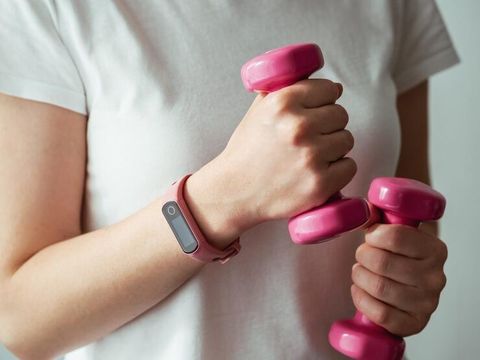
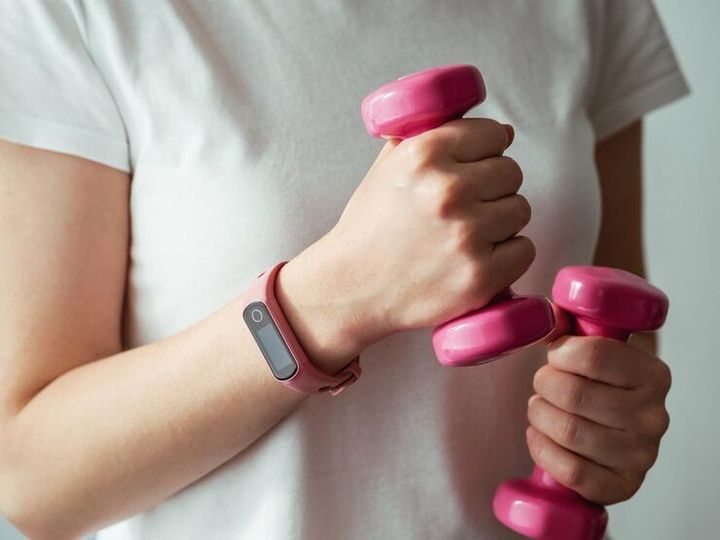
Fitness tracker bracelets are wearable electronic devices designed to record selected aspects of movement, exercise, and daily wellness. Usually worn around the wrist, they use sensors such as accelerometers and optical heart-rate sensors to collect measurements that can be viewed on the device or through a connected application.
The idea developed from simple pedometers and activity monitors. Modern fitness tracker bracelets combine motion sensing, wireless connectivity, software, and data displays, allowing users to review information about steps, active time, exercise sessions, heart rate, sleep patterns, and other measurements.
How they work
A motion sensor detects changes in movement, while optical sensors can estimate pulse-related information from light reflected by the skin. A processor turns sensor readings into estimates such as step counts, activity duration, resting heart rate, or sleep periods.
These measurements are estimates rather than direct observations of every biological process. Accuracy can vary with wrist position, skin contact, movement type, device design, and the method used to calculate a metric.
Importance
Fitness tracker bracelets matter because many people want a simple way to understand their daily activity. A record of movement can help users notice patterns, such as spending long periods sitting, being more active on certain days, or having different sleep durations across a week.
They can also help organize information from different activities in one place. Instead of relying only on memory, a user can review trends and compare routine activity with personal goals.
Everyday uses
Common uses include:
- Counting steps and estimating distance
- Recording active minutes and exercise sessions
- Monitoring heart-rate patterns during selected activities
- Estimating sleep duration and sleep stages
- Recording calories or energy expenditure estimates
- Setting movement reminders
- Reviewing activity trends over days or weeks
A tracker can also help people understand how different routines affect their recorded activity. However, the numbers should be treated as useful measurements or estimates, not as a complete picture of health.
Health information and limitations
Some bracelets record health-related metrics, but that does not automatically make them medical devices. A general wellness tracker may present measurements for awareness, while a device intended to diagnose, monitor, or manage a disease can fall under medical-device rules.
Users should also avoid treating a wearable reading as a diagnosis. If a measurement appears unusual or a person has symptoms, clinical evaluation may be appropriate.
Recent Updates
From 2024 through 2026, wearable technology has continued moving toward broader health and wellness tracking. Device software increasingly combines activity, heart-rate, sleep, recovery-related measurements, and other signals into longer-term trends rather than showing only individual readings.
Another notable development has been clearer regulatory attention to digital health and wellness functions. In the United States, the FDA issued a revised General Wellness policy in 2026 that explains how certain low-risk products intended to support a healthy lifestyle may fall outside device regulation when they are unrelated to diagnosing, treating, or preventing disease.
The FDA also warned in 2024 against using smartwatches or smart rings that claim to measure blood glucose without an appropriate authorized measurement system. This illustrates an important distinction between wellness estimates and measurements intended for medical decision-making.
In India, regulatory activity around medical devices and digital health has also continued. CDSCO maintains the Medical Devices Rules framework and has published updates concerning testing, licensing, adverse-event reporting, software guidance, and risk classification.
Current feature direction
Fitness tracker bracelets increasingly connect several types of data, including:
- Movement and exercise
- Heart-rate measurements
- Sleep-related information
- Breathing-related estimates
- Workout duration and intensity
- Connected phone notifications
- Long-term trend summaries
The availability of a metric does not mean that every device measures it in the same way. Users should check the device documentation to understand what a reading represents and how it is calculated.
Laws or Policies
In India, medical devices are regulated under the Drugs and Cosmetics Act, 1940 and the Medical Devices Rules, 2017. CDSCO explains that products intended for purposes such as diagnosis, prevention, monitoring, treatment, or alleviation of disease or disorder can fall within the medical-device framework.
This distinction is relevant to fitness tracker bracelets because a device designed for general wellness may have a different regulatory position from a device that makes specific medical claims. The intended purpose and claims associated with a product are important when determining its regulatory status.
Personal data is another consideration. India's Digital Personal Data Protection Rules, 2025 were published in November 2025, alongside materials describing the enforcement timeline and the establishment of the Data Protection Board of India. Fitness applications can process personal information, so users should review privacy notices, permissions, account settings, and data-sharing choices.
Regulatory requirements can change, and the exact obligations depend on the device, software function, data processing activity, and intended use. Official Indian government sources should be checked for current requirements.
Tools and Resources
Several types of tools can help users understand fitness tracker data without treating it as a medical diagnosis.
Activity and health dashboards
The companion application for a wearable normally provides daily and weekly summaries. Common dashboards show steps, active time, exercise sessions, heart-rate trends, and sleep information.
Health calculators
General calculators can estimate body mass index, daily energy needs, target heart-rate ranges, or other fitness-related values. These tools use formulas and assumptions, so their results are estimates rather than individual medical assessments.
Device documentation
The user guide and technical documentation explain sensor functions, measurement conditions, supported activities, charging requirements, water resistance, and data interpretation. This is especially important when a tracker displays a metric with a medical-sounding name.
Privacy resources
Privacy notices and government data-protection resources can help users understand how information is collected, retained, shared, or deleted. For connected wearables, permissions for location, notifications, contacts, and health data should be reviewed according to personal needs.
Data Comparison
Different fitness tracker bracelets can present different sets of measurements. The following table shows common categories and what they generally represent.
| Metric | What it generally indicates | Common limitation |
|---|---|---|
| Steps | Detected walking or movement events | May miscount certain hand movements |
| Distance | Estimated travel distance | Depends on motion data and location methods |
| Heart rate | Pulse rate estimated from sensor signals | Readings can vary with movement and skin contact |
| Active minutes | Time classified as physical activity | Classification methods differ |
| Sleep duration | Estimated time spent asleep | Sleep detection is not a clinical sleep study |
| Calories | Estimated energy expenditure | Depends on personal data and calculation method |
| Workout time | Duration of a recorded exercise session | Requires suitable activity detection |
FAQs
What are fitness tracker bracelets used for?
Fitness tracker bracelets are used to record activity, exercise, selected health metrics, and sleep-related information. They can help users review patterns in everyday movement and routines.
Which health metrics can a fitness tracker bracelet measure?
Depending on the model, health metrics may include heart rate, resting heart rate, blood oxygen estimates, breathing-related information, sleep measures, and activity data. The available measurements and their methods vary by device.
Are fitness tracker bracelets accurate?
Accuracy depends on the metric, sensor design, fit, activity, and measurement method. Step counts and heart-rate readings may be useful for tracking trends, while some calculated metrics can have wider uncertainty.
Can fitness tracker bracelets measure blood glucose?
A general fitness bracelet should not be assumed to measure blood glucose directly. The FDA has specifically warned about wearable products that claim to measure glucose without an authorized measurement system.
Do fitness tracker bracelets protect personal health data?
Privacy depends on the device maker, application, settings, and applicable laws. Users should review privacy notices and permissions and understand what information is stored or shared.
Conclusion
Fitness tracker bracelets combine sensors, software, and connected applications to record activity and selected wellness measurements. Their functions can range from basic step counting to broader activity, heart-rate, and sleep tracking. Regulatory treatment depends on intended use and health-related claims, while data protection is also relevant because these devices can process personal information. The measurements are generally most useful when understood as estimates and trends rather than complete medical assessments.