Fire Insurance Policies: Understanding the Basics of Property Coverage
Fire incidents can cause significant damage to buildings, equipment, and personal belongings. Fire insurance policies help individuals and businesses manage certain financial losses resulting from covered fire-related events.
Understanding coverage, premiums, exclusions, and policy conditions is important when evaluating property protection options.
Understanding Fire Insurance Policies
Fire insurance is a type of property insurance designed to cover financial losses caused by fire under specified policy conditions. Depending on the agreement, protection may extend to residential buildings, commercial properties, furniture, machinery, inventory, and other insured assets.
A home fire insurance policy generally focuses on residential structures and eligible household belongings. Commercial fire insurance, meanwhile, may cover business premises, production equipment, office furniture, and stored materials.
The actual protection depends on the insured property's value, selected coverage, policy limits, and applicable exclusions.
Importance of Fire Insurance Coverage
Fire-related incidents can result from electrical faults, accidental ignition, equipment failures, and other circumstances. Repairing damaged structures or replacing affected belongings may require considerable financial resources.
Fire insurance coverage can help address eligible losses and support property recovery.
Several situations highlight its importance:
Residential protection: Helps cover eligible damage to houses, apartments, and household contents.
Business continuity: May support businesses dealing with damage to buildings, machinery, and inventory.
Financial planning: Helps property owners prepare for unexpected fire-related expenses.
Asset protection: Provides financial protection for specified insured property under agreed conditions.
Types of Fire Insurance Policies
Different fire insurance arrangements address different property requirements. Understanding their features can help policyholders evaluate available options.
Residential Fire Insurance
Residential policies generally cover eligible damage to houses and other insured residential structures. Depending on the agreement, household furniture, appliances, and personal belongings may also be included.
Commercial Fire Insurance
Commercial policies are designed for business properties, including offices, warehouses, factories, and retail premises. Coverage may include buildings, machinery, equipment, and stock, subject to policy conditions.
Industrial Fire Insurance
Industrial arrangements address risks associated with manufacturing facilities, production equipment, raw materials, and finished goods. Property characteristics and operational activities can influence coverage requirements.
Factors Affecting Fire Insurance Premiums
A fire insurance premium is the amount paid for maintaining an insurance policy during its specified period. The premium varies according to property characteristics and the protection selected.
Common influencing factors include:
Property value: The estimated replacement or insured value of the building and contents.
Construction materials: Building materials and structural characteristics can influence fire risk assessments.
Location: Surrounding properties, local fire exposure, and access to emergency facilities may affect assessments.
Occupancy: Residential, commercial, and industrial properties have different risk characteristics.
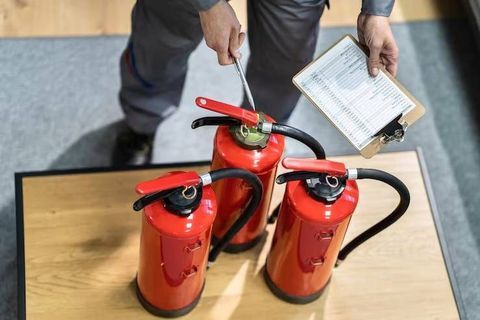
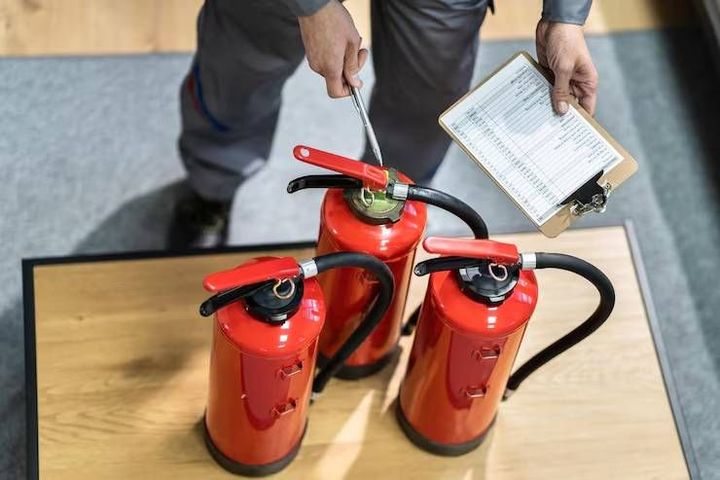
Safety equipment: Fire alarms, extinguishers, sprinklers, and other protective systems may influence underwriting decisions.
Coverage limits: Higher insured amounts and additional coverage options can affect premiums.
A fire insurance premium calculator may help estimate potential premiums using property details and selected coverage information. However, the final amount depends on the insurer's assessment and policy terms.
Comparing Fire Insurance Policies
Fire insurance policy comparison involves examining coverage, exclusions, limits, deductibles, and premium amounts rather than considering only one factor.
The following table outlines common areas for evaluation.
| Comparison Factor | What to Examine |
|---|---|
| Property coverage | Buildings, contents, equipment |
| Premium | Amount payable for coverage |
| Coverage limit | Maximum applicable protection |
| Exclusions | Events and losses not covered |
| Deductible | Policyholder's financial contribution |
| Additional coverage | Optional protection extensions |
| Claim procedure | Documentation and reporting requirements |
A fire insurance policy quote generally provides information about estimated premiums and proposed coverage. Reviewing the policy document is important because quotations may not contain every condition or exclusion.
Fire Insurance Exclusions and Limitations
Not every fire-related loss automatically qualifies for compensation. Insurance policies contain exclusions that identify circumstances where protection may not apply.
Common exclusions or limitations can include:
Deliberate damage or intentional fire incidents.
Losses resulting from specified hazardous activities.
Damage associated with excluded war-related events or other defined risks.
Property or belongings not included in the insurance agreement.
Losses exceeding applicable coverage limits.
The exact exclusions differ between policies and jurisdictions. Policyholders should review the complete wording to understand the circumstances affecting eligibility.
Understanding the Fire Insurance Claim Process
The fire insurance claim process generally begins when an insured property experiences damage from a covered incident.
Typical steps include:
Report the incident: Inform the relevant emergency authorities and insurance provider.
Document the damage: Take photographs and prepare an inventory of affected property.
Submit documentation: Provide the claim form, policy details, ownership records, and supporting evidence.
Property inspection: An appointed representative may assess the damage and review the circumstances.
Claim assessment: The insurer evaluates the incident against the policy conditions.
Settlement decision: Eligible claims are processed according to applicable terms and limits.
Prompt reporting and accurate documentation can help organize the assessment process.
Frequently Asked Questions
What does a fire insurance policy cover?
It generally covers specified property damage caused by fire. Depending on the agreement, buildings, furniture, machinery, and inventory may qualify.
How is a fire insurance premium calculated?
Premium calculations may consider property value, construction materials, location, occupancy, safety arrangements, and selected coverage limits.
Can businesses obtain commercial fire insurance?
Yes. Commercial policies can address eligible fire-related losses involving offices, warehouses, factories, equipment, and business inventory.
Is every fire incident covered?
No. Coverage depends on the policy wording, exclusions, circumstances, and applicable conditions.
How can someone compare fire insurance policies?
Review premiums, coverage limits, exclusions, deductibles, additional protections, and claim procedures before making a decision.
Conclusion
Fire insurance policies provide a structured approach to managing specified property-related financial risks. Understanding coverage types, premiums, exclusions, and claim requirements helps individuals and businesses evaluate their protection arrangements. Careful examination of policy documents supports informed decisions about residential and commercial property protection.