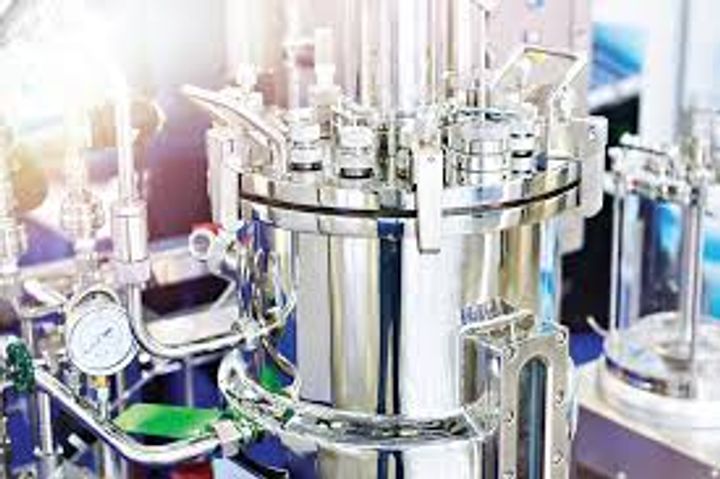
Expert Guide to Bioreactors: Techniques, Innovations, and Industry Insights
Bioreactors are critical to modern biotechnology, offering controlled environments for biological reactions essential in fields such as pharmaceuticals, environmental engineering, food processing, and renewable energy. As industries evolve, the role of bioreactors has expanded, incorporating advanced techniques and innovative technologies to meet growing demands for efficiency, quality, and sustainability.
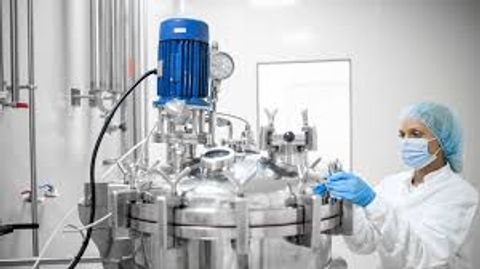
The concept of bioreactors comes from early fermentation practices, where humans used natural processes to produce food and beverages like yogurt, bread, and alcohol. Over time, these methods evolved into more advanced setups known today as bioreactor systems. Modern designs allow precise control of temperature, pH, oxygen levels, and nutrient supply, which helps improve consistency and efficiency.
Bioreactor technology plays a central role in processes like vaccine production, wastewater treatment, and biofuel development. As scientific understanding grows, these systems continue to evolve, supporting a wide range of applications that affect everyday life.
Importance
Bioreactors are important because they enable controlled biological production at scale. This capability helps address several global challenges, including healthcare needs, food production, and environmental sustainability.
In healthcare, bioreactors are used to produce vaccines, antibodies, and other biologically derived medicines. These products rely on living cells, which require carefully managed conditions to grow and function properly. Without bioreactors, large-scale production of such treatments would be difficult.
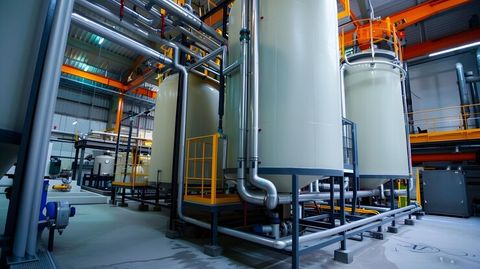
In environmental management, bioreactors help treat wastewater by breaking down harmful substances using microorganisms. This process reduces pollution and protects natural water sources. Similarly, in agriculture, bioreactors support the production of biofertilizers and biopesticides, which can improve crop yields while reducing reliance on chemical inputs.
Bioreactors also contribute to renewable energy efforts. They are used in the production of biofuels, where organic materials are converted into energy sources such as biogas or ethanol. This helps reduce dependence on fossil fuels and supports cleaner energy solutions.
Recent Updates
Recent developments in bioreactor technology between 2024 and 2026 show a growing focus on efficiency, automation, and sustainability. Advances in digital monitoring systems now allow real-time tracking of key parameters, improving process control and reducing errors.
One major trend is the integration of artificial intelligence in bioreactors. AI-based systems can analyze large amounts of data to predict outcomes and optimize conditions. This approach supports more consistent production and reduces resource use.
Another development is the rise of single-use bioreactors. These systems use disposable components, which reduce the need for cleaning and lower the risk of contamination. They are particularly useful in pharmaceutical manufacturing, where maintaining sterile conditions is essential.
There is also increasing interest in modular bioreactor designs. These systems can be scaled up or down more easily, making them suitable for both research and industrial use. In addition, innovations in materials and engineering are improving energy efficiency and durability.
Laws or Policies
Bioreactor use is influenced by various regulations, especially in sectors such as healthcare, food production, and environmental management. In India, regulatory oversight is provided by multiple authorities depending on the application.
For pharmaceutical and biotechnology applications, guidelines from the Central Drugs Standard Control Organization (CDSCO) and the Department of Biotechnology (DBT) help ensure safety and quality. These regulations cover aspects such as manufacturing practices, contamination control, and product testing.
In environmental applications, bioreactors used for wastewater treatment must comply with standards set by the Central Pollution Control Board (CPCB). These rules focus on reducing harmful emissions and maintaining acceptable water quality levels.
Agricultural uses, including biofertilizers produced in bioreactors, are guided by policies from the Ministry of Agriculture and Farmers Welfare. These policies aim to ensure that biological products are safe for use and do not harm soil or crops.
Overall, these regulations help maintain public safety while supporting innovation in bioreactor technology.
Tools and Resources
Several tools and resources support the design, operation, and understanding of bioreactors. These resources are useful for researchers, students, and industry professionals.
Common tools include:
- Simulation software used to model bioreactor conditions and predict outcomes before actual implementation
- Monitoring systems that track parameters like temperature, pH, and dissolved oxygen in real time
- Data analysis platforms that help interpret results and improve process efficiency
- Educational platforms offering courses and training materials on bioreactor technology
- Research journals and publications that provide insights into new developments and case studies
Below is a simple table outlining common types of bioreactors and their typical uses:
| Bioreactor Type | Key Feature | Common Application |
|---|---|---|
| Stirred-tank | Mechanical mixing system | Pharmaceutical production |
| Airlift | Circulates using air flow | Wastewater treatment |
| Packed-bed | Contains immobilized cells | Enzyme-based processes |
| Fluidized-bed | Particles suspended in fluid | Biofuel production |
| Single-use | Disposable components | Clinical and research applications |
These tools and systems help improve the reliability and scalability of bioreactor operations across different fields.
FAQs
What is a bioreactor and how does it work?
A bioreactor is a controlled environment where biological reactions take place. It works by maintaining optimal conditions such as temperature, pH, and oxygen levels to support the growth of cells or microorganisms.
What are the main applications of bioreactors?
Bioreactors are used in healthcare for producing vaccines and medicines, in environmental management for wastewater treatment, in agriculture for biofertilizers, and in energy production for biofuels.
How is bioreactor technology evolving?
Bioreactor technology is evolving through the use of automation, artificial intelligence, and modular designs. These advancements improve efficiency, reduce contamination risks, and allow better scalability.
What are the different types of bioreactors?
Common types include stirred-tank, airlift, packed-bed, fluidized-bed, and single-use bioreactors. Each type is designed for specific processes and applications.
Why are bioreactors important in modern industries?
Bioreactors are important because they enable controlled biological production at scale. This helps meet demands in healthcare, environmental protection, and sustainable energy.
Conclusion
Bioreactors are essential tools that support a wide range of biological processes across multiple industries. They provide controlled environments that enable efficient and consistent production of valuable products. Advances in technology continue to improve their performance and adaptability. As global challenges evolve, bioreactors remain a key component in addressing healthcare, environmental, and energy needs.