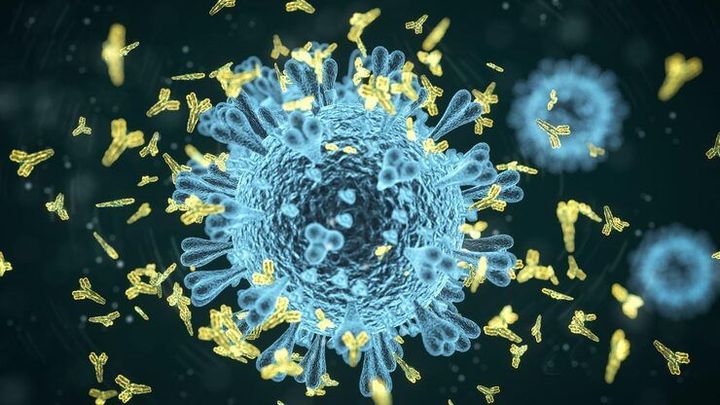
Antibody Production in the Immune System: Overview, Basics, and Key Facts
Antibody production in the immune system is a fundamental biological process that helps the body recognize and respond to harmful substances such as bacteria, viruses, and toxins. Antibodies are specialized proteins produced by certain immune cells, and they play a central role in identifying and neutralizing foreign invaders. Understanding antibody production in the immune system provides insight into how the body defends itself and maintains internal balance.
The immune system is made up of different cells, tissues, and organs that work together to detect and eliminate threats. Among these, B lymphocytes (or B cells) are responsible for producing antibodies. When the body encounters a foreign substance, known as an antigen, B cells become activated and begin the process of antibody production. This process is highly specific, meaning each antibody targets a particular antigen.
Antibody production in the immune system is not only essential for fighting infections but also for building long-term immunity. After an initial exposure to an antigen, the immune system can “remember” it, allowing for a faster and more effective response in future encounters. This memory function is a key reason why vaccines are effective.
Importance
Understanding antibody production in the immune system matters because it directly affects human health and disease prevention. It helps explain how the body responds to infections and why some individuals recover more quickly than others. This knowledge is also important for understanding immune-related conditions, including allergies and autoimmune disorders.
Antibody production supports several key functions in everyday health:
- Protection against infections: Antibodies bind to pathogens and help neutralize or eliminate them.
- Support for vaccination: Vaccines stimulate antibody production without causing illness, helping the body prepare for future exposure.
- Detection of diseases: Many diagnostic tests rely on detecting antibodies in blood samples.
- Immune system balance: Proper antibody production ensures that the immune system responds appropriately without attacking healthy cells.
Challenges can arise when antibody production is either insufficient or excessive. For example, weakened antibody production may make a person more vulnerable to infections, while overactive responses can contribute to conditions such as allergies or autoimmune diseases.
Recent Updates
Recent developments in the study of antibody production in the immune system have focused on improving understanding of immune responses and developing new medical approaches. Advances in biotechnology have made it possible to study antibodies in greater detail, including how they are formed and how they interact with different antigens.
One ongoing trend is the use of monoclonal antibodies in research and treatment. These laboratory-produced antibodies are designed to target specific molecules and are widely studied for their role in managing various health conditions. Researchers are also exploring how antibody production can be enhanced or regulated to improve immune responses.
Another area of progress involves mRNA-based technologies, which have contributed to new approaches in vaccine development. These technologies help guide the body’s cells to produce specific proteins that trigger antibody production in the immune system, supporting immune readiness.
In addition, there is growing interest in personalized medicine. Scientists are examining how genetic differences influence antibody production and immune responses, aiming to develop more tailored healthcare strategies in the future.
Laws or Policies
Antibody production in the immune system is closely connected to public health policies and regulatory frameworks, particularly in areas such as vaccine development, laboratory research, and clinical testing. Governments and health authorities establish guidelines to ensure that research and medical applications related to antibodies are conducted safely and ethically.
In many countries, regulatory agencies oversee the approval and monitoring of vaccines and therapies that rely on antibody production. These agencies evaluate scientific data to ensure that products meet established safety and effectiveness standards. Ethical guidelines also govern how biological samples are collected and used in research.
Public health programs often promote immunization, which relies on stimulating antibody production in the immune system. These programs are designed to reduce the spread of infectious diseases and protect community health.
The following table summarizes key regulatory areas related to antibody production:
| Area of Regulation | Purpose | Example Focus Areas |
|---|---|---|
| Vaccine oversight | Ensure safety and effectiveness | Clinical trials, approvals |
| Laboratory standards | Maintain research quality and safety | Biosafety protocols, equipment use |
| Ethical guidelines | Protect participants in research | Consent, data privacy |
| Public health programs | Promote disease prevention | Immunization campaigns |
Tools and Resources
Several tools and resources help researchers, students, and the general public understand antibody production in the immune system. These resources range from educational platforms to laboratory techniques used in scientific studies.
Commonly used tools and platforms include:
- Educational websites: Online learning platforms provide simplified explanations of immune system processes, including antibody production.
- Laboratory techniques: Methods such as ELISA (enzyme-linked immunosorbent assay) help detect and measure antibodies in samples.
- Simulation tools: Digital simulations allow users to visualize how antibodies interact with antigens.
- Scientific databases: Research databases provide access to studies related to immune responses and antibody development.
- Health organization portals: Public health websites share information about vaccines and immune system function.
These tools support both basic learning and advanced research, making information about antibody production more accessible to a wide audience.
FAQs
What is antibody production in the immune system?
Antibody production in the immune system is the process by which B cells create proteins called antibodies that recognize and bind to specific foreign substances, helping the body defend itself.
How do B cells contribute to antibody production?
B cells detect antigens and become activated, leading them to multiply and produce antibodies. Some B cells also become memory cells, allowing faster responses in the future.
Why is antibody production important for vaccines?
Vaccines work by stimulating antibody production in the immune system without causing disease. This prepares the body to respond quickly if exposed to the actual pathogen later.
Can antibody production vary between individuals?
Yes, antibody production can differ based on factors such as age, genetics, and overall health. These differences can influence how individuals respond to infections or vaccines.
How long do antibodies remain in the body?
The duration varies depending on the type of infection or exposure. Some antibodies remain for a long time, supported by memory cells, while others decrease over time.
Conclusion
Antibody production in the immune system is a vital process that enables the body to recognize and respond to harmful substances. It involves specialized cells, precise biological mechanisms, and the ability to remember past exposures. This process supports infection control, vaccination, and overall immune balance. Understanding these basics helps explain how the immune system functions in everyday health.
Disclaimer: The information provided in this article is for informational purposes only. We do not make any claims or guarantees regarding the accuracy, reliability, or completeness of the information presented. The content is not intended as professional advice and should not be relied upon as such. Readers are encouraged to conduct their own research and consult with appropriate professionals before making any decisions based on the information provided in this article.