Executive Luxury Apartment Segments: Trends & Executive Insights
Luxury real estate, particularly high-end apartments, presents a fascinating sector within the property market. The luxury apartment segment is ever-evolving, reflecting broader economic trends, technological advancements, and shifting consumer preferences. While the allure of high ceilings, premium finishes, and prime locations remains indisputable, other less visible factors are equally redefining this market.
Luxury apartments have come a long way from being mere spaces of opulence and affluence. Today, they are at the intersection of innovation, sustainability, and consumer-centric amenities. The growing importance of eco-friendly design, state-of-the-art technology, and personalized services can't be overstated. While natural aesthetics and location desirability remain core factors, contemporary luxury living spaces now focus on providing a holistic living experience that integrates convenience, wellness, and smart living features.
One dominant trend is the increased demand for sustainability within luxury living environments. Affluent buyers are progressively conscious about their ecological footprint, prompting developers to integrate green technologies and sustainable practices into their projects. This move towards eco-friendliness encompasses a wide range, from energy-efficient lighting and water-conserving plumbing fixtures to more advanced implementations like solar panels and geothermal heating systems. Restorative ecological landscapes, composting units, and green roofs are becoming regular features in luxury apartments.
Beyond mere eco-friendliness, the allure of technology-driven amenities is tempting prospective buyers. Advancements in home automation systems have reshaped the luxury apartment landscape. Modern luxury homes often feature integrated systems that control lighting, temperature, security, and entertainment from a centralized digital interface, garnering appeal for convenience-driven consumers. Smart home technology extends to appliances and IoT gadgets designed to enhance living quality, such as customizable entertainment systems, health-monitoring air purifiers, and cutting-edge home fitness equipment.
Another critical aspect of luxury apartments is the emphasis on personalised and premium services which cater to the demands of sophisticated clients. These can include concierge services available 24/7, private spa treatments, personal chefs, and access to exclusive clubs or recreational facilities. The luxury service market is expanding its repertoire of offerings, with some apartments providing virtual reality walkthroughs and architecture addressing individual lifestyle needs right from the design stage.
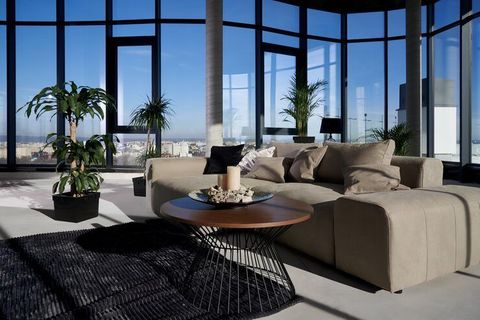
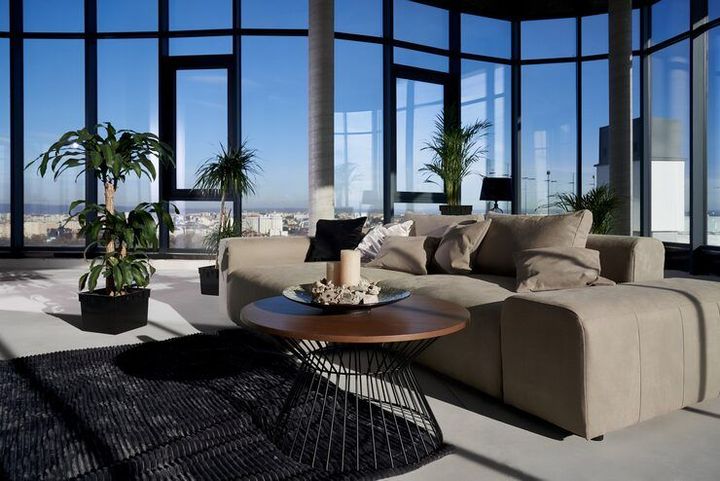
Current luxury apartment design trends also reflect shifts in buyer preferences. Open-plan layouts with flexible spaces are being favored for their adaptability to support lifestyle changes such as remote work requirements or hosting social events. Large windows, airy interiors, and natural lighting cater to aesthetic preferences while engendering a feeling of connectedness with the surrounding urban or natural landscape. Moreover, elegantly designed transitional spaces such as terraces and loggias play a vital role, particularly in multi-climatic regions, enhancing spatial utility and aesthetic appeal.
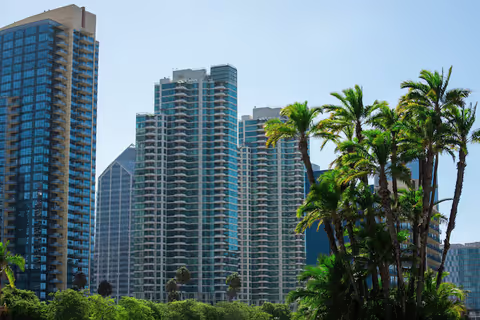
Location remains a pivotal factor in luxury real estate, yet the criteria for prime sites are dynamically shifting. While traditional preferences for urban center proximities persist, there is a growing interest in properties located within access to nature or in developing suburban areas with promising infrastructure investments. This duality marks a trend towards achieving balance between urban convenience and tranquility, further propelling the demand for mixed-use developments that promise a comprehensive array of urban and recreational amenities within close reach.
Cultural and demographic shifts also influence the luxury apartment sphere. Aging affluent populations, for instance, prioritize health-centric amenities, proximity to healthcare facilities, and designs supporting aging-in-place. Conversely, younger affluent buyers tend to value proximity to vibrant cultural centers and technological amenities. Moreover, with increasing global fluidity, international clients represent a growing segment, propelling demand for globally-branded residential complexes in key cities worldwide.
Investment considerations also play a significant role in luxury real estate appeal. While traditionally perceived as a status symbol, luxury apartments now draw attention for their potential investment returns. Their value often withstands market fluctuations better compared to non-luxury properties, which, coupled with the potential for rental income, makes them attractive both for homebuyers and real estate investors. It is essential, however, for potential investors to evaluate factors such as location, architectural integrity, and developer reputation to mitigate risks and maximize returns.
Security features have also become paramount in luxury apartments, reflective of general contemporary global considerations. High-end residences prioritize comprehensive security measures, incorporating advanced surveillance systems, biometric access controls, and secure parking facilities, to assure residents' peace of mind.
The future of luxury apartments likely will see further integration of technological innovations coupled with an increased emphasis on wellness features. Improvements in virtual reality could revolutionize purchasing trends and design processes, while telehealth amenities may become standard within premium wellness offerings. Furthermore, the ongoing pandemic reinforces the need to rethink space efficacy, emphasizing adaptable and multifunctional layouts to accommodate shifting lifestyle needs confidently.
In conclusion, the luxury apartment market is a dynamic, multifaceted arena. It is increasingly crucial for developers, investors, and prospective buyers to stay informed about emerging trends and consumer preferences. It involves not just understanding architectural or aesthetic features but also embracing environmental responsibility, technological advancements, personalized services, and changing socio-cultural dynamics. Together, these elements will continue shaping the future of luxury living as we know it.