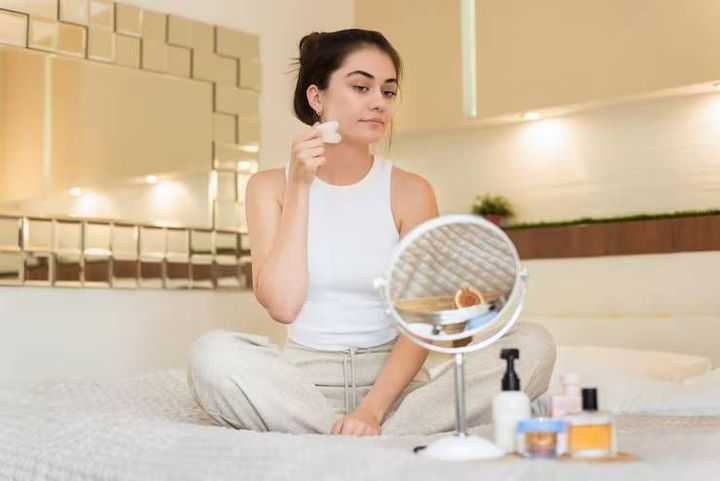
Effective Skin Moisturization Methods for Lasting Hydration
Maintaining a resilient and supple complexion requires targeted skin moisturization methods that address water loss at the cellular level. By combining evidence-based skincare routines with clinical hydration techniques, individuals can restore compromised lipid barriers and achieve smooth, radiant skin throughout the year.
Healthy skin depends on an intact outermost layer known as the stratum corneum, which acts as a protective shield against environmental aggressors and transepidermal water loss. When this barrier becomes damaged due to harsh weather, over-exfoliation, or aging, moisture escapes rapidly, leading to flakiness, tightness, and heightened sensitivity. Effective hydration strategies do not merely coat the surface of the epidermis; instead, they replenish depleted water reserves and reinforce the structural lipids that hold skin cells together.
Understanding the distinction between dehydrated skin and dry skin is essential when selecting professional skincare treatments or daily topical formulations. Dehydrated skin lacks water and benefits most from water-binding ingredients, whereas dry skin lacks natural sebum and requires lipid-rich emollients to prevent cracking and irritation. Addressing both deficiencies simultaneously ensures optimal moisture retention and long-term dermatological health.
Core Topical Skin Moisturization Methods
Layering Humectants on Damp Skin
One of the most reliable facial hydration routine techniques involves applying humectant-rich serums immediately after cleansing while the skin remains slightly damp. Humectants such as hyaluronic acid, glycerin, and polyglutamic acid act like microscopic sponges that draw water from the surrounding environment and deeper dermal layers into the upper epidermis. Applying these lightweight formulations onto wet skin maximizes their water-binding capacity and prevents them from drawing moisture out of deeper tissues in arid climates.
Sealing Moisture with Emollients and Occlusives
Once humectants have infused the epidermis with water, locking that hydration in place requires a strategic combination of emollients and occlusives. Emollients, including squalane, fatty acids, and plant-derived lipids, smooth rough skin texture by filling the microscopic spaces between flaking skin cells. Following an emollient with a richer occlusive layer—such as petrolatum, dimethicone, or shea butter—creates a breathable physical seal over the skin surface that dramatically reduces overnight moisture evaporation.
Targeted Skin Barrier Repair Formulations
For individuals experiencing chronic dryness, redness, or compromised skin integrity, upgrading to targeted skin barrier repair creams delivers superior clinical outcomes. High-performance moisturizers formulated with a physiological ratio of ceramides, cholesterol, and free fatty acids mimic the natural lipid matrix of healthy human skin. Incorporating a dermatologist-recommended moisturizer containing niacinamide alongside ceramides further stimulates natural lipid synthesis, strengthens cellular cohesion, and calms underlying inflammation.
Professional Hydrating Skincare Treatments
In-Clinic Hydration and Dermal Infusion
When topical daily care is insufficient for severe dryness or premature fine lines, aesthetic clinics offer advanced hydrating skincare treatments that deliver active ingredients deeper into the skin. Non-invasive procedures such as hydradermabrasion gently exfoliate dead surface cells while simultaneously infusing the pores with antioxidant and peptide-rich moisturizing solutions. Another popular clinical option involves hyaluronic acid micro-injections, often referred to as skin boosters, which place stabilized moisture-binding gels directly into the dermis to improve elasticity and luminosity for several months.
Adjusting Routines for Seasonal and Lifestyle Shifts
Environmental humidity, indoor heating, and air conditioning continuously alter how quickly moisture evaporates from the skin surface. Transitioning from lightweight gel-creams during humid summer months to richer balm-based formulas in winter prevents seasonal xerosis and barrier disruption. Additionally, placing a cool-mist humidifier in bedrooms and workspaces maintains ambient indoor humidity levels, supporting the efficacy of topical medical-grade skincare products around the clock.
Best Practices to Prevent Daily Moisture Loss
Optimizing Cleansing and Water Temperature
Even the best moisturizer for dry skin cannot compensate for a cleansing routine that strips away natural protective oils. Switching from harsh foaming sulfates to non-stripping cream, milk, or oil cleansers preserves the delicate acid mantle of the face and body. Washing with lukewarm water rather than hot water is equally critical, as high temperatures dissolve essential surface lipids and trigger immediate post-wash tightness and irritation.
Integrating Overnight Recovery Masks
Skin cell turnover and barrier recovery peak during sleep, making nighttime the ideal window for intensive deep skin hydration. Applying a nourishing sleeping mask or practicing controlled occlusion over a hydrating serum allows active ingredients to penetrate undisturbed for hours. Consistent adherence to these structured moisturization protocols minimizes the appearance of dehydration lines, enhances overall skin resilience, and supports a balanced, healthy complexion.
Terms Matched to the Article and Buying Intent
Commercial & High-Intent Search Terms: best moisturizer for dry skin, dermatologist-recommended moisturizer, medical-grade skincare, skin barrier repair cream, hydrating skincare treatments, clinical facial hydration, hyaluronic acid serum for dry skin, ceramide barrier cream
Informational & Routine-Focused Terms: skin moisturization methods, facial hydration routine, deep skin hydration, transepidermal water loss prevention, humectants emollients and occlusives, overnight hydration mask, gentle non-stripping cleanser
Disclaimer: The information provided in this article is for educational and informational purposes only and does not constitute professional medical or dermatological advice. Individual skin types and conditions vary, so always consult a qualified dermatologist or healthcare provider before starting new skincare treatments or addressing persistent skin concerns.