Chemical Mixing Equipment: Key Facts About Mixing Processes and Equipment Functions
Chemical mixing equipment is used to combine liquids, powders, gases, or different chemical materials into a controlled mixture. Chemical mixing equipment can range from simple agitators and batch mixers to large industrial vessels with automated controls.
These systems are used in chemical processing, water treatment, food production, cosmetics, coatings, materials processing, and many other industrial activities where consistent mixing is important.
Context
What Chemical Mixing Equipment Means
Chemical mixing is the process of bringing two or more materials together so that they become sufficiently distributed throughout a mixture. Depending on the materials and process, mixing may involve dissolving, dispersing, suspending, emulsifying, blending, or promoting a chemical reaction.
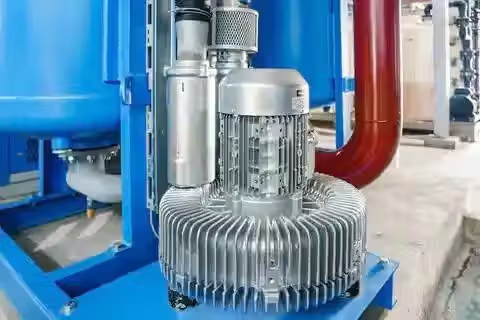
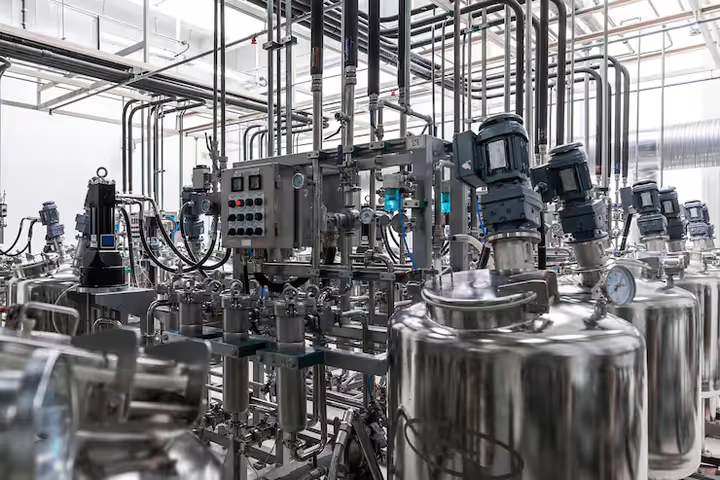
Chemical mixing equipment provides the mechanical movement needed for these processes. A typical system may include a vessel, agitator or mixer, motor, shaft, impeller, seals, controls, and supporting structures.
The equipment selected depends on the properties of the materials and the intended result. Factors such as viscosity, density, particle size, temperature, chemical compatibility, batch volume, and required mixing intensity can significantly influence equipment design.
How Chemical Mixers Developed
Early industrial mixing systems were relatively simple mechanical arrangements. As chemical processing became more complex, manufacturers developed different impeller shapes, vessel configurations, drive systems, and control methods for specific applications.
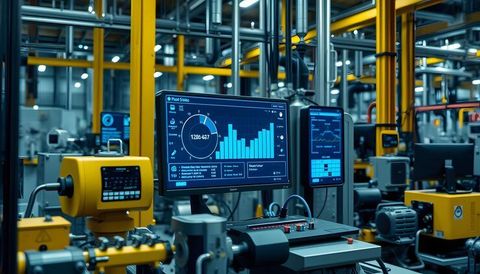
Modern equipment can incorporate variable-speed drives, temperature sensors, pressure measurement, automated control systems, and data recording. These features allow operators to monitor important process conditions while a mixture is being prepared.
Main Types of Chemical Mixing Equipment
Several categories are commonly used in industrial environments:
- Agitator systems use rotating shafts and impellers to create movement within a vessel.
- High-shear mixers generate strong local forces for dispersing or breaking down materials.
- Static mixers use fixed internal elements to divide and recombine flowing materials without a rotating shaft.
- Paddle and ribbon mixers are commonly used for powders, pastes, and materials with higher viscosity.
- Planetary mixers use rotating tools that move through the mixing vessel and are useful for thick formulations.
- Homogenizers create intense fluid movement for applications requiring fine dispersion or emulsification.
The choice between these systems depends on the physical properties of the materials and the process objective.
Batch and Continuous Mixing
Batch mixing involves placing a measured quantity of materials into a vessel, processing them for a defined period, and then removing the completed mixture. This arrangement is widely used when formulations or production quantities change between batches.
Continuous mixing introduces materials into a system at controlled rates while the mixed material leaves continuously. Continuous systems can be appropriate for processes that operate at relatively steady flow conditions.
Importance
Maintaining Mixture Uniformity
Uniformity is one of the main reasons industries use chemical mixing equipment. If materials are not distributed properly, different portions of a batch may contain different concentrations or physical characteristics.
Mixing conditions such as impeller speed, mixing time, vessel geometry, and material properties influence uniformity. A suitable process therefore requires more than simply selecting a mixer with a particular motor rating.
Supporting Chemical Reactions
Some chemical reactions depend on effective contact between reactants. Mixing can help distribute reactants, transfer heat, and maintain more consistent conditions throughout a vessel.
Temperature and concentration gradients can affect reaction behavior. For this reason, chemical mixing equipment may be integrated with heating or cooling systems and process sensors.
Handling Different Material Properties
Industrial materials can range from low-viscosity liquids to thick pastes and powders. A mixer designed for water-like liquids may not produce the same movement in a highly viscous material.
Important material characteristics include:
- Viscosity and how strongly the material resists flow
- Density differences between components
- Particle size and particle distribution
- Solubility of one material in another
- Sensitivity to temperature
- Chemical compatibility with equipment materials
- Tendency to form foam or air pockets
Understanding these characteristics helps determine the type of mixing action required.
Improving Process Control
Modern chemical mixing equipment can be connected to programmable logic controllers and other industrial control systems. Operators may monitor variables such as rotational speed, temperature, pressure, flow, and mixing duration.
Automated controls can also maintain defined process conditions. However, control settings need to be established according to the specific process, equipment design, materials, and applicable safety requirements.
Typical Applications
| Industry | Typical mixing application | Common equipment considerations |
|---|---|---|
| Chemical processing | Blending and reaction preparation | Chemical compatibility and temperature |
| Water treatment | Chemical dispersion | Flow, dosing, and corrosion resistance |
| Food processing | Liquid and ingredient blending | Hygiene and material compatibility |
| Cosmetics | Emulsions and thick formulations | Shear level and viscosity |
| Paints and coatings | Pigment dispersion | Particle distribution and shear |
| Materials processing | Powder and paste blending | Torque and mixing pattern |
| Agriculture | Formulation and suspension preparation | Solids distribution and chemical compatibility |
Recent Updates
Greater Use of Automated Controls
Recent developments in chemical mixing equipment have focused on greater process monitoring and automation. Sensors can collect information about temperature, pressure, rotational speed, torque, and other process variables.
These measurements can be connected to control platforms that help maintain predefined operating conditions. Data recording can also support process analysis and quality documentation.
Variable-Speed Mixing
Variable-frequency drives allow motor speed to be adjusted during a mixing cycle. Different stages may require different levels of agitation, so variable-speed operation can provide more control over the mixing process.
For example, a process may begin at a lower speed while materials are introduced and then use a different speed during dispersion. The appropriate sequence depends on the formulation and equipment design.
Improved Computational Analysis
Computational fluid dynamics is increasingly used during mixer and vessel development. It can help engineers study fluid movement, circulation patterns, mixing zones, and potential dead areas within a vessel.
Simulation does not replace physical testing in every application. Instead, it can provide additional information during equipment design and process development.
Energy and Resource Considerations
Industrial facilities are paying greater attention to energy consumption and process efficiency. Mixer design, impeller geometry, motor selection, operating speed, and material properties all influence energy requirements.
Modern analysis may therefore consider the amount of mixing intensity required rather than simply operating equipment at high rotational speeds. Excessive agitation can sometimes increase energy use, heat generation, or foam formation without improving the intended process.
Digital Monitoring and Data Integration
Chemical mixing systems are increasingly connected with plant-level monitoring platforms. Production records, sensor measurements, alarms, and equipment information can be brought together for analysis.
This development is part of the broader movement toward smart manufacturing. It also increases the importance of cybersecurity, access controls, data integrity, and reliable sensor information.
Laws or Policies
Industrial Safety Requirements in India
Chemical processing facilities in India are subject to occupational safety, environmental, hazardous-material, and industrial regulations depending on the activity and substances involved. Requirements can vary according to the facility, chemical classification, process scale, and state-level rules.
The Occupational Safety, Health and Working Conditions Code, 2020 forms part of India's broader framework for workplace safety and working conditions. Applicable factory and occupational safety requirements should be assessed for the particular installation.
Environmental Regulations
Chemical facilities may also fall under requirements administered through the Ministry of Environment, Forest and Climate Change, Central Pollution Control Board, and State Pollution Control Boards.
The Environment (Protection) Act, 1986 provides a broad framework for environmental protection. Depending on the operation, additional rules may address hazardous waste, emissions, wastewater, storage, and handling of specific materials.
Equipment and Electrical Safety
Chemical mixing equipment may include motors, electrical panels, pressure-containing vessels, instrumentation, and mechanical drives. Applicable Indian Standards and relevant electrical and industrial safety requirements can therefore be important.
Where hazardous atmospheres may exist, equipment selection may also need to consider hazardous-area classification and suitable electrical protection. Specific requirements depend on the substances and process conditions.
Process Documentation
Industrial facilities commonly maintain documentation covering equipment specifications, operating procedures, maintenance activities, inspection records, process parameters, and safety procedures.
Such documentation can help establish consistent operating practices and provide records for internal review or regulatory purposes.
Tools and Resources
Mixer Selection Calculations
Engineering calculations can be used to estimate mixing requirements based on variables such as vessel volume, fluid viscosity, density, impeller diameter, and rotational speed. Power number and Reynolds number are among the concepts used when evaluating mechanically agitated systems.
These calculations generally require engineering assumptions and should be interpreted within the context of the actual equipment.
Process Simulation Tools
Computational fluid dynamics platforms can model fluid movement inside vessels. They may help examine impeller placement, circulation, shear distribution, and mixing patterns during equipment development.
Industrial Control Platforms
PLC, SCADA, and distributed control systems can monitor and regulate mixer operation. Depending on the process, these platforms may manage speed, temperature, flow, timing, alarms, and interlocks.
Standards and Technical References
Useful technical references include standards and publications from organizations such as the Bureau of Indian Standards, International Organization for Standardization, International Electrotechnical Commission, and recognized engineering organizations.
Manufacturers and engineering teams may also use equipment datasheets, process specifications, material compatibility charts, operating manuals, and laboratory mixing studies when evaluating a system.
FAQs
What is chemical mixing equipment used for?
Chemical mixing equipment combines liquids, powders, gases, or other materials into a controlled mixture. It can also support processes such as dispersion, suspension, emulsification, dissolution, and chemical reactions.
How is chemical mixing equipment selected?
Selection depends on material viscosity, density, particle characteristics, chemical compatibility, temperature, batch volume, required mixing intensity, and the intended process. Vessel geometry and impeller design are also important considerations.
What are the main types of chemical mixing equipment?
Common types include agitators, high-shear mixers, static mixers, paddle mixers, ribbon mixers, planetary mixers, and homogenizers. Each produces a different type of movement and is suited to particular material and process conditions.
What role does automation play in chemical mixing equipment?
Automation can monitor and control variables such as mixing speed, temperature, pressure, timing, and flow. PLC and SCADA systems can also record process information and manage alarms or interlocks.
Are there regulations for chemical mixing equipment in India?
Yes. Applicable requirements can involve occupational safety, environmental protection, hazardous materials, electrical systems, pressure equipment, and waste management. The exact requirements depend on the chemicals, process, facility, and location.
Conclusion
Chemical mixing equipment provides controlled mechanical movement for blending, dispersion, suspension, emulsification, dissolution, and chemical processing. Equipment selection depends on material properties, vessel design, mixing intensity, temperature, process volume, and safety requirements. Recent developments include automated controls, variable-speed operation, computational analysis, digital monitoring, and greater attention to energy use. In India, industrial facilities must also consider applicable occupational safety, environmental, and equipment regulations.