Bioreactors : Tips, Facts, and Essential Information
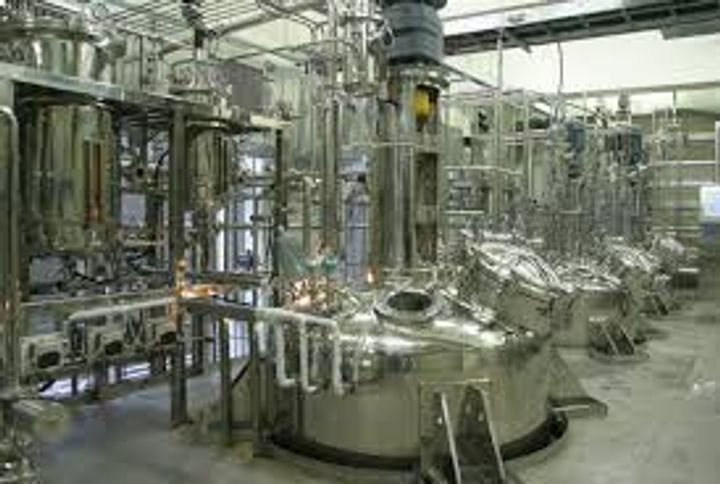
Bioreactors are vessels or systems designed to support biologically active environments. They are used in industries such as pharmaceuticals, biotechnology, environmental engineering, and food production to cultivate cells, microorganisms, or enzymes under controlled conditions. The purpose of a bioreactor is to provide the optimal temperature, pH, oxygen supply, and nutrient environment needed for biological processes.
Modern bioreactors can range from small laboratory-scale models for research to large industrial systems capable of producing vaccines, enzymes, biofuels, and fermented foods. As biotechnology advances, bioreactors have become essential for scaling up laboratory discoveries into commercial production.
Importance
Bioreactors play a crucial role in several sectors:
-
Pharmaceuticals: Used for large-scale production of vaccines, antibodies, and therapeutic proteins.
-
Food industry: Enable production of fermented products like yogurt, beer, and plant-based proteins.
-
Environmental applications: Support wastewater treatment and bio-remediation processes.
-
Bioenergy: Help produce biofuels from algae and other biomass.
Why this topic matters today:
-
Global health needs: Vaccine production has become critical in response to pandemics.
-
Sustainability goals: Bioreactors enable eco-friendly production processes.
-
Economic growth: Biotechnology industries are expanding rapidly worldwide.
Recent Updates
In the past year, bioreactor technology has seen innovations and trends that enhance efficiency and flexibility:
| Development | Impact | Date/Period |
|---|---|---|
| Single-use bioreactors | Reduce contamination risk and cleaning costs; widely adopted in pharma. | 2024 |
| Integration with AI & IoT | Improves real-time monitoring and process optimization. | 2023–2024 |
| 3D-printed bioreactor components | Lowers manufacturing costs and allows custom designs. | 2024 |
| Continuous processing models | Increase yield and shorten production times. | Ongoing |
| Renewable energy-powered bioreactors | Reduce environmental footprint in biofuel production. | 2024 |
Laws or Policies
Regulations vary depending on the industry and location but often include:
-
Good Manufacturing Practice (GMP): Required for pharmaceutical production to ensure safety and quality.
-
Environmental regulations: Control waste disposal, energy use, and emissions from bioreactor facilities.
-
Biosafety standards: Prevent accidental release of harmful microorganisms.
-
Import/export laws: Apply to equipment, biological materials, and products.
For example, in the European Union, bioreactor operations must comply with EMA (European Medicines Agency) guidelines, while in the U.S., the FDA enforces bioprocessing regulations.
Tools and Resources
Here are some useful tools and resources for learning about or working with bioreactors:
| Tool/Resource | Purpose |
|---|---|
| LabXchange | Online simulations for bioreactor processes. |
| BioProcess International | Industry news and best practices. |
| SuperPro Designer | Software for modeling and optimizing bioprocesses. |
| PubMed | Research database for peer-reviewed studies on bioreactors. |
| Open-source SCADA tools | For controlling and monitoring bioreactors in real time. |
Tips for Using Bioreactors
-
Calibrate sensors regularly to ensure accurate readings.
-
Maintain sterile conditions to avoid contamination.
-
Monitor dissolved oxygen and pH continuously during operation.
-
Choose the right impeller type for mixing without damaging cells.
-
Use single-use components for faster setup and reduced cleaning needs.
Interesting Facts
-
The first large-scale bioreactor for penicillin production was developed during World War II.
-
Some bioreactors can operate in zero gravity for space research.
-
Algae-based bioreactors can capture carbon dioxide while producing biofuels.
-
Miniature bioreactors can fit on a lab bench yet mimic industrial-scale processes.
-
The global bioreactor market is expected to exceed USD 20 billion by 2030.
FAQs
Q1: What is the difference between a fermenter and a bioreactor?
A: All fermenters are bioreactors, but not all bioreactors are fermenters. A fermenter is specifically designed for microbial fermentation, while bioreactors can also support cell cultures, algae, and enzymatic processes.
Q2: Are single-use bioreactors better than stainless steel ones?
A: Single-use bioreactors reduce contamination risks and cleaning time, but stainless steel versions are more durable for repeated, large-scale production.
Q3: What industries benefit most from bioreactors?
A: Pharmaceuticals, food and beverage, environmental engineering, and renewable energy sectors use them extensively.
Q4: How long does a typical bioreactor process take?
A: It varies widely — from a few hours for microbial fermentation to several weeks for cell culture production.
Q5: Can bioreactors be used at home?
A: While small-scale fermentation kits exist, industrial bioreactors require specialized knowledge, safety measures, and licensing.