Bioreactor Insights: Techniques, Strategies, and Industry Applications
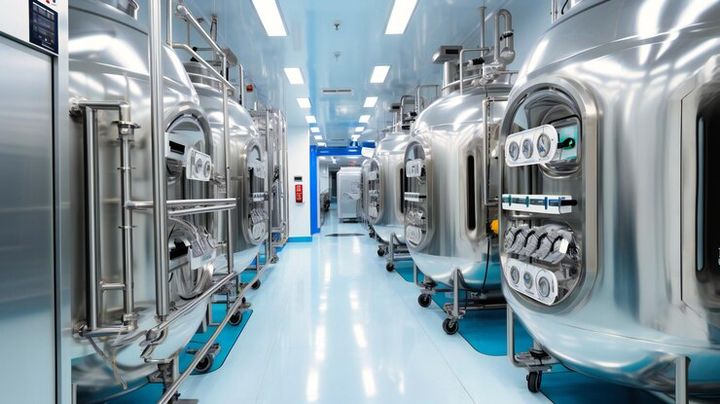
Bioreactor insights help explain how living cells or microorganisms are cultivated under controlled conditions to produce useful substances. A bioreactor is a specialized vessel designed to support biological reactions such as fermentation, cell growth, or enzyme production. These systems are widely used in biotechnology, pharmaceuticals, food processing, and environmental management.
The concept of bioreactors developed from early fermentation practices, where humans used microorganisms to produce bread, yogurt, and beverages. Over time, advancements in science and engineering transformed these simple processes into controlled industrial systems. Today, modern bioreactors can regulate temperature, oxygen, pH, and nutrient supply to optimize biological activity.
Understanding bioreactor techniques and strategies is important because they form the backbone of many essential industries. From producing vaccines to treating wastewater, bioreactors play a key role in supporting both public health and sustainable development.
Importance
Bioreactor systems have become increasingly important due to rising global demand for healthcare products, sustainable materials, and environmentally friendly processes. These systems enable efficient production of biological products while reducing reliance on traditional chemical methods.
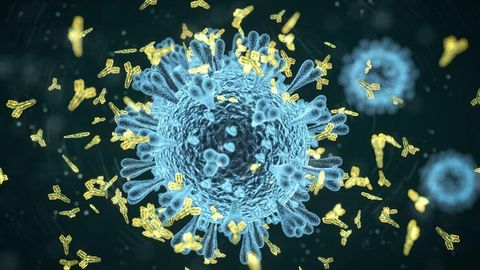
One major benefit is their role in healthcare. Bioreactors are used to grow cells that produce vaccines, antibodies, and therapeutic proteins. This supports medical research and helps address diseases affecting large populations.
In environmental applications, bioreactors assist in wastewater treatment by breaking down harmful substances using microorganisms. This helps reduce pollution and improves water quality in urban and industrial areas.
Bioreactor strategies also contribute to food production. Techniques such as fermentation are used to produce dairy alternatives, probiotics, and other nutritional products. These methods support evolving dietary preferences and food security concerns.
Challenges addressed by bioreactor applications include:
- Resource efficiency, as biological systems often require less energy compared to chemical processes
- Waste reduction, by converting byproducts into useful materials
- Scalability, allowing production to expand based on demand
- Consistency, ensuring stable quality across production cycles
These factors make bioreactor insights valuable for industries seeking reliable and sustainable solutions.
Recent Updates
Recent developments in bioreactor technology reflect ongoing innovation in automation, data analysis, and sustainability. Between 2024 and 2026, several trends have shaped how bioreactors are designed and used.
One key trend is the integration of digital monitoring systems. Sensors and data analytics tools are now commonly used to track conditions such as oxygen levels, temperature, and cell growth in real time. This improves accuracy and reduces manual intervention.
Another development is the adoption of single-use bioreactors. These systems use disposable components, which reduce cleaning requirements and minimize contamination risks. They are particularly useful in research and smaller-scale production environments.
Advances in modular design have also made bioreactors more flexible. Modular systems allow users to adjust capacity and configuration depending on specific needs, making them suitable for both pilot studies and larger production setups.
Sustainability has become a focus area as well. Modern bioreactor strategies aim to reduce water consumption, energy use, and waste generation. This aligns with broader environmental goals across industries.
Additionally, the use of artificial intelligence is growing. AI tools help predict system behavior, optimize conditions, and improve overall efficiency by analyzing large datasets generated during operations.
Laws or Policies
Bioreactor use is influenced by regulatory frameworks that ensure safety, quality, and environmental protection. These regulations vary by country but generally follow similar principles.
In many regions, pharmaceutical production using bioreactors must comply with Good Manufacturing Practices (GMP). These guidelines ensure that products are consistently produced and controlled according to quality standards.
Environmental regulations also play a role, particularly in wastewater treatment applications. Authorities may set limits on discharge levels, requiring facilities to use bioreactors effectively to meet these standards.
Biosafety rules are important when working with microorganisms or genetically modified cells. Facilities must follow containment protocols to prevent unintended release into the environment.
In India, regulatory oversight may involve multiple agencies responsible for biotechnology, environmental protection, and industrial safety. These bodies establish guidelines for safe handling, monitoring, and disposal processes related to bioreactor operations.
Understanding these policies helps ensure that bioreactor systems are used responsibly and within legal boundaries.
Tools and Resources
A variety of tools and resources support the design, operation, and analysis of bioreactor systems. These tools help users understand performance and improve outcomes.
Common tools include:
- Simulation software, which models biological processes and predicts system behavior under different conditions
- Data monitoring platforms, used to collect and visualize real-time operational data
- Process control systems, which automate adjustments to temperature, pH, and nutrient supply
- Laboratory-scale bioreactors, used for testing and experimentation before scaling up
- Online knowledge platforms, providing research papers, guidelines, and case studies
These resources allow researchers, engineers, and operators to make informed decisions and refine their approaches.
Below is a simplified comparison of common bioreactor types:
| Bioreactor Type | Main Feature | Typical Use Case |
|---|---|---|
| Stirred Tank | Mechanical mixing with impellers | Pharmaceutical production |
| Airlift | Circulation using air flow | Wastewater treatment |
| Packed Bed | Immobilized cells on solid support | Enzyme reactions |
| Fluidized Bed | Particles suspended by fluid flow | Chemical and biological processes |
| Single-Use | Disposable components | Research and small-scale setups |
Each type supports different techniques and strategies depending on the application.
FAQs
What is a bioreactor and how does it work?
A bioreactor is a controlled vessel where biological reactions take place. It maintains optimal conditions such as temperature, oxygen, and pH to support the growth of cells or microorganisms.
What are common bioreactor techniques used in industry?
Common techniques include batch processing, continuous culture, and fed-batch systems. Each method controls how nutrients are added and how products are collected during operation.
How are bioreactor strategies applied in healthcare?
Bioreactor strategies are used to grow cells that produce vaccines, proteins, and other therapeutic substances. These processes help support medical research and treatment development.
What industries use bioreactor systems?
Bioreactor systems are used in pharmaceuticals, food production, environmental management, and biotechnology research. They support a wide range of biological processes.
Why are bioreactor insights important for sustainability?
Bioreactor insights help improve resource efficiency and reduce waste. Biological processes often require fewer chemicals and can convert waste into useful products, supporting sustainable practices.
Conclusion
Bioreactor insights provide a clear understanding of how biological systems are controlled and applied across multiple industries. These systems support healthcare, environmental protection, and food production through efficient and scalable processes. Advances in technology continue to improve their accuracy and adaptability. Regulatory frameworks ensure safe and responsible use. Overall, bioreactors remain an important part of modern scientific and industrial development.