Beverage Filling Machines Guide With Modern Packaging and Production Insights
Beverage filling machines are industrial systems designed to place liquid beverages into containers such as bottles, cans, cartons, pouches, and other packaging formats. They are used for products ranging from drinking water and soft drinks to juices, dairy beverages, energy drinks, sauces, and other liquid products.
The development of beverage filling equipment followed the growth of packaged beverages. Early production relied heavily on manual filling, measuring, capping, and labeling. As beverage production expanded, manufacturers introduced mechanical systems that could handle larger quantities while improving consistency and reducing repetitive manual tasks.
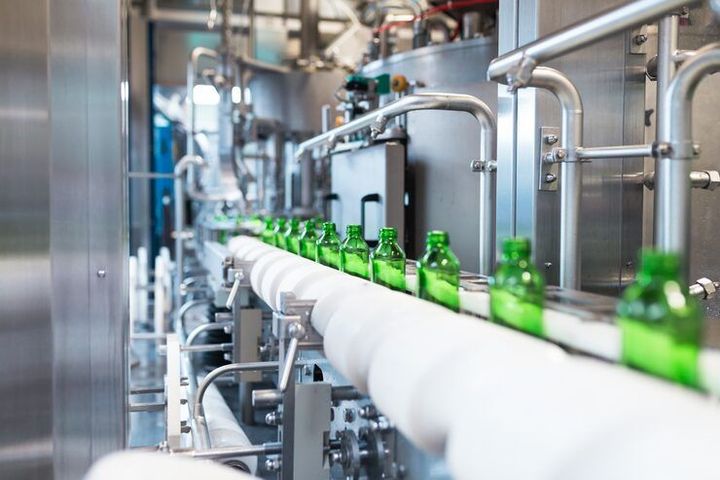
Modern beverage filling machines combine filling mechanisms with controls for container movement, liquid measurement, sealing, cleaning, and production monitoring. Depending on the application, equipment may include bottle rinsers, liquid fillers, capping machines, labeling systems, conveyors, inspection units, and automated packaging equipment.
How Beverage Filling Works
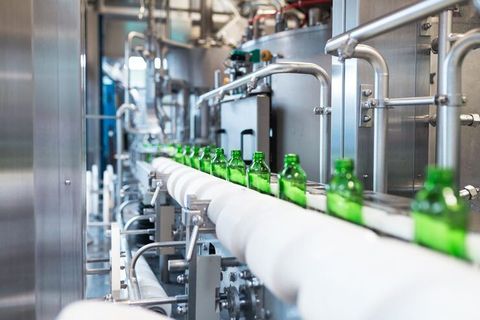
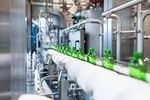
A typical filling line begins when empty containers enter the system through a conveyor or container-handling unit. Containers are positioned beneath filling valves or another filling mechanism before a measured quantity of liquid is introduced.
After filling, containers normally move to a capping or sealing station. Additional equipment can then apply labels, inspect packaging, group containers, or prepare them for secondary packaging.
Common filling methods include:
- Gravity filling, which uses liquid movement under controlled gravitational pressure.
- Pressure filling, which uses controlled pressure to move beverages into containers.
- Volumetric filling, which measures a defined volume before dispensing.
- Piston filling, which uses a piston mechanism to measure thicker liquids.
- Time-based filling, which controls liquid flow for a defined period.
- Counter-pressure filling, commonly associated with carbonated beverages.
The appropriate system depends on beverage characteristics, container design, production requirements, and packaging materials.
Main Types of Beverage Filling Machines
Beverage filling machines vary considerably because different liquids behave differently during processing. Water may flow easily, while juice containing pulp or a thick beverage may require another filling arrangement.
| Machine Type | Typical Beverage | Main Characteristic |
|---|---|---|
| Water Filling Machine | Drinking water | Designed for low-viscosity liquids |
| Carbonated Beverage Filler | Soft drinks | Controls pressure and carbonation |
| Juice Filling Machine | Juice and fruit beverages | Handles different liquid characteristics |
| Dairy Beverage Filler | Milk-based drinks | Supports controlled hygienic processing |
| Hot Filling Machine | Certain juices and beverages | Designed for elevated filling temperatures |
| Aseptic Filling Machine | Sensitive beverages | Uses controlled hygienic packaging conditions |
| Piston Filling Machine | Thick beverages | Uses measured piston movement |
| Gravity Filler | Thin liquids | Uses controlled gravity flow |
Importance
Beverage filling machines matter because packaging consistency affects production quality, product handling, and consumer experience. A container that receives too little or too much liquid can create packaging problems, while inconsistent sealing can affect shelf stability and transportation.
These systems also address the repetitive nature of beverage production. Automated or semi-automated equipment can coordinate container movement, filling, capping, and inspection so that multiple stages operate as part of one production line.
Who Uses Beverage Filling Equipment
Beverage filling equipment can be found in different production environments, including:
- Bottled water production facilities
- Soft drink manufacturing plants
- Juice processing facilities
- Dairy beverage production
- Functional beverage production
- Tea and coffee beverage processing
- Small and medium-scale beverage facilities
- Large-scale packaging operations
The required equipment can differ significantly between facilities. A small production line may use a compact filling and capping system, while a larger operation may integrate several machines into an automated packaging line.
Production Consistency
One important function of filling technology is maintaining consistent container filling. Modern machines use sensors, valves, pumps, flow meters, weighing systems, or timed controls depending on the filling method.
Consistency is particularly relevant when containers are packaged into groups or transported over long distances. Uniform fill levels can also make finished packages appear more consistent on retail shelves and during distribution.
Hygiene and Product Protection
Beverage production requires careful control of contamination risks. Equipment design therefore considers surfaces that contact beverages, cleaning procedures, drainage, accessibility, and controlled product transfer.
Hygienic filling systems can include enclosed areas, automated cleaning cycles, controlled liquid paths, and equipment materials suitable for repeated cleaning. The exact requirements depend on the beverage, packaging process, and applicable food regulations.
Recent Updates
From 2024 through 2026, beverage packaging technology has continued moving toward greater automation, digital monitoring, flexible production, and resource efficiency. These developments reflect changes in beverage formats, packaging materials, production expectations, and manufacturing controls.
Automation and Digital Monitoring
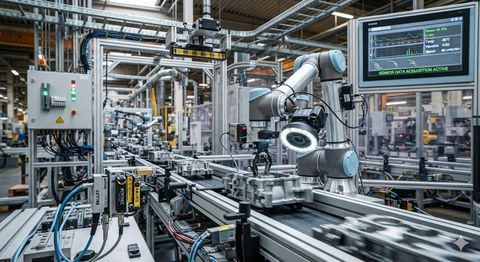
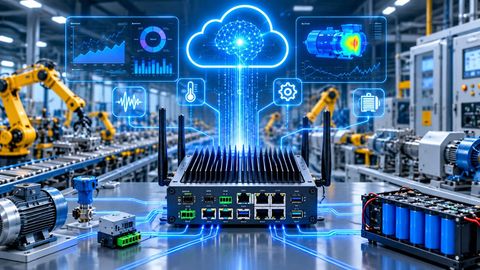
Modern beverage filling machines increasingly incorporate programmable controls, sensors, touchscreen interfaces, and production monitoring systems. These technologies allow operators to observe variables such as filling conditions, container movement, machine status, and production interruptions.
Data collection can also support maintenance planning and process analysis. Instead of relying entirely on manual observations, production teams can use recorded machine information to identify recurring interruptions and operating patterns.
Flexible Packaging Formats
Packaging lines increasingly need to accommodate different container shapes and sizes. Adjustable guides, changeover systems, programmable controls, and modular equipment designs can help production lines handle multiple formats.
This flexibility is relevant for facilities producing several beverage categories. A filling machine may need adjustments for container dimensions, liquid properties, closure types, and filling volumes.
Resource Efficiency
Equipment development also focuses on reducing unnecessary use of water, energy, packaging materials, and compressed air. Improved controls can regulate pumps, motors, valves, and other components according to operating requirements.
Some modern systems incorporate automated cleaning management and process monitoring to help production teams understand resource consumption. Actual efficiency depends on machine design, beverage characteristics, operating conditions, and facility practices.
Inspection and Quality Monitoring
Vision inspection systems and other sensors are increasingly integrated into packaging lines. These systems can check characteristics such as container position, cap placement, label alignment, fill level, and visible packaging defects.
Inspection technology does not replace appropriate quality procedures. Instead, it can provide additional process information and help identify packaging issues during production.
Laws or Policies
Beverage filling machines operate within a regulatory environment that generally covers food safety, packaging, sanitation, labeling, worker protection, equipment operation, and environmental requirements. Specific rules vary by country and product category.
Food and Beverage Safety
Food safety rules commonly require beverage producers to control contamination risks and maintain suitable hygienic conditions. Equipment that comes into contact with beverages may need to use appropriate materials and support cleaning and sanitation procedures.
Production facilities may also be required to maintain records related to sanitation, process controls, traceability, and quality management.
Packaging and Labeling
Packaged beverages are generally subject to labeling requirements. Depending on the jurisdiction, labels may need to provide information such as product identity, ingredients, quantity, allergen information, nutritional details, manufacturer information, storage instructions, or other required declarations.
The filling machine itself does not determine label compliance. Labeling equipment and production controls need to operate alongside the applicable packaging requirements.
Worker and Equipment Safety
Industrial filling lines can contain moving conveyors, rotating components, electrical systems, compressed air, heated surfaces, and pressurized sections. Workplace safety requirements may therefore address machine guarding, emergency controls, electrical protection, operator training, and safe maintenance procedures.
Facilities must follow the applicable occupational and equipment safety requirements in their jurisdiction.
Environmental Considerations
Environmental policies may address wastewater, packaging materials, energy consumption, emissions, and industrial waste. Beverage facilities can therefore need processes for managing cleaning water, packaging waste, and other production materials.
The exact regulatory requirements depend on the facility location, production scale, beverage category, and local environmental framework.
Tools and Resources
Several tools can help readers understand beverage filling machines and evaluate production requirements without relying solely on machine specifications.
Production Calculators
Filling-line capacity calculators can estimate theoretical container throughput based on containers per minute, operating hours, filling volume, and production schedules. Actual output can be lower because of changeovers, cleaning, maintenance, material handling, and production interruptions.
Equipment Comparison Templates
A comparison spreadsheet can organize information such as:
- Beverage type
- Container material
- Container size
- Filling method
- Filling range
- Production capacity
- Automation level
- Cleaning requirements
- Power requirements
- Floor-space requirements
- Integration requirements
This approach makes it easier to compare equipment according to the actual production environment.
Industry Websites and Technical Resources
Manufacturer technical documentation, food-processing publications, packaging engineering resources, equipment manuals, and regulatory databases can provide additional information. Technical specifications should be interpreted together with the beverage characteristics and applicable production requirements.
Maintenance Records
Maintenance logs can document cleaning cycles, component replacement, machine interruptions, inspection results, and operating conditions. These records can help production teams understand equipment history and plan routine maintenance activities.
FAQs
What are beverage filling machines?
Beverage filling machines are industrial systems that transfer measured quantities of liquid into containers. They can be configured for products such as water, juices, carbonated beverages, dairy drinks, and other liquid products.
How do beverage filling machines work?
Beverage filling machines position containers beneath filling valves or dispensing mechanisms and transfer a controlled quantity of liquid into them. Filled containers normally continue to capping, sealing, labeling, and inspection stages.
Which beverage filling machine is used for carbonated drinks?
Carbonated beverage filling machines generally use controlled pressure and filling conditions to reduce excessive foaming and preserve carbonation during filling. The exact configuration depends on the beverage and container.
What factors affect beverage filling machine selection?
Important factors include beverage viscosity, carbonation, temperature, filling volume, container material, container dimensions, production capacity, hygiene requirements, cleaning procedures, and the desired level of automation.
What is the difference between automatic and semi-automatic filling machines?
Automatic beverage filling machines can coordinate much of the container handling and filling process with limited manual intervention. Semi-automatic systems require operators to perform some activities, such as container placement, machine loading, or process control.
Conclusion
Beverage filling machines form an important part of modern beverage packaging and production systems. Their design varies according to liquid properties, container formats, filling methods, hygiene requirements, and production conditions. Recent developments have emphasized automation, digital monitoring, flexible packaging, inspection technology, and resource management. Regulatory requirements also influence equipment design, sanitation, labeling, worker protection, and environmental practices.