Ultimate Guide to Best Foldable Phones: Features, Models & Comparison
Explore the latest foldable phone technology, compare leading models, and learn key specifications to find the right device for your needs.
Foldable phones have transitioned from experimental prototypes to mainstream consumer devices, offering users a unique combination of portability and expanded screen real estate. These devices utilize flexible display technology to transform from compact phones into tablet-sized screens, fundamentally changing how users interact with mobile content. Understanding foldable phone technology requires examining how manufacturers engineer durable screens, optimize hinge mechanisms, and balance performance with form factor. This guide explores the current foldable phone landscape, providing detailed analysis of leading models, technical specifications, practical benefits and limitations, and a comprehensive framework for selecting the right device based on your specific needs and use cases.
How Foldable Display Technology Works
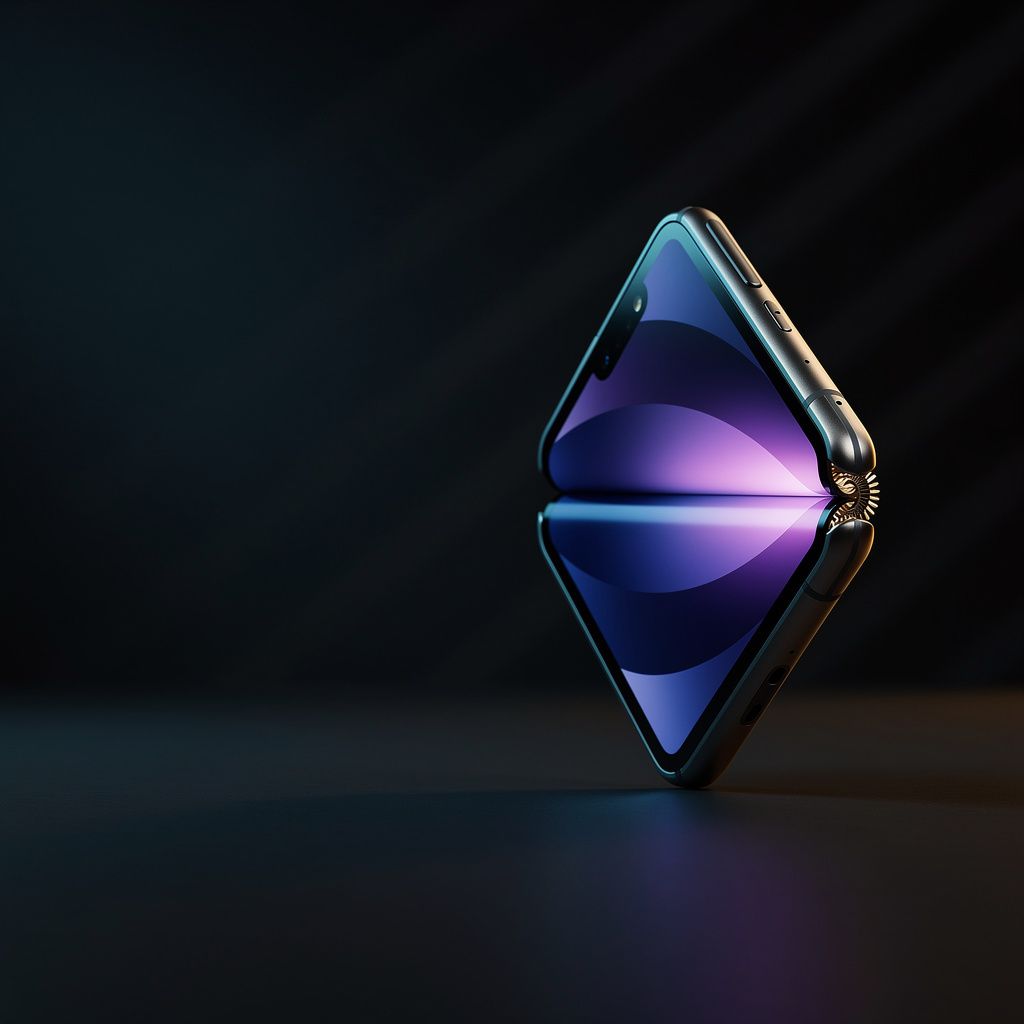
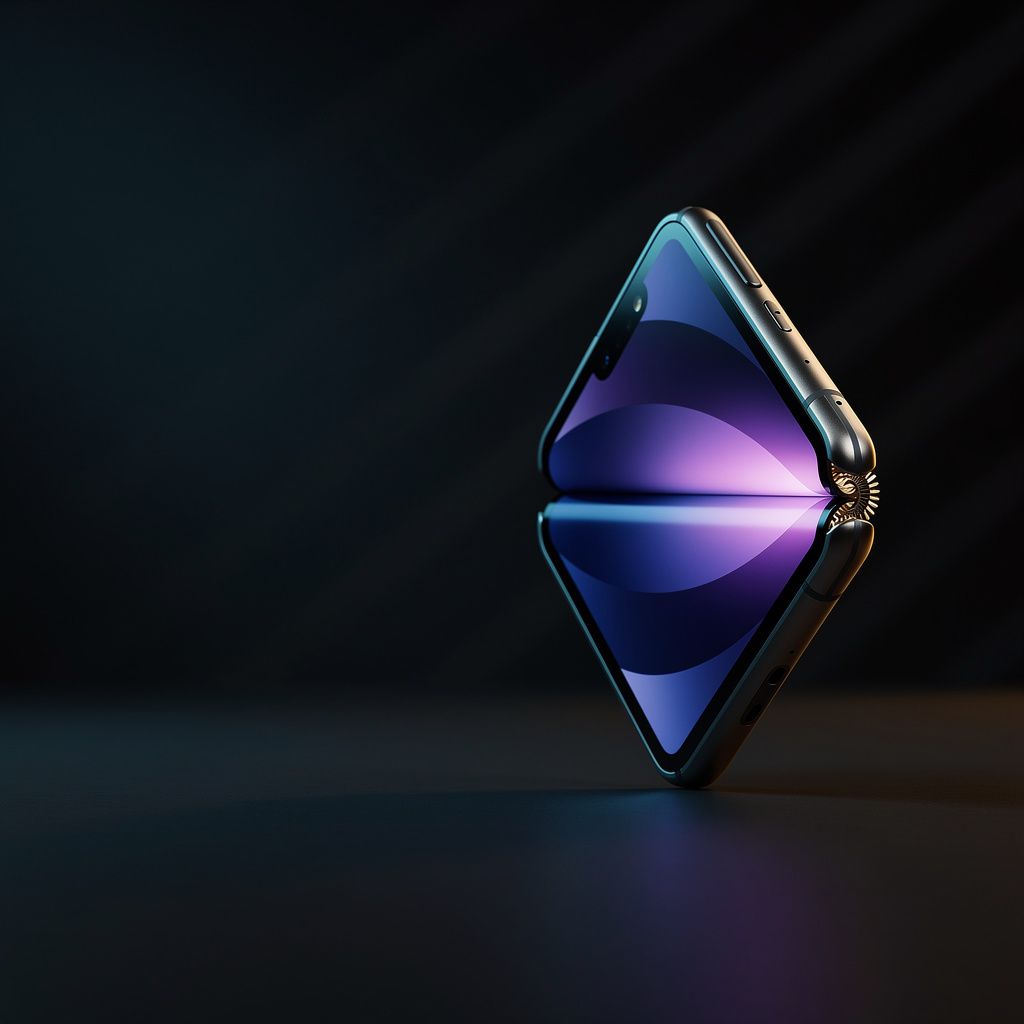
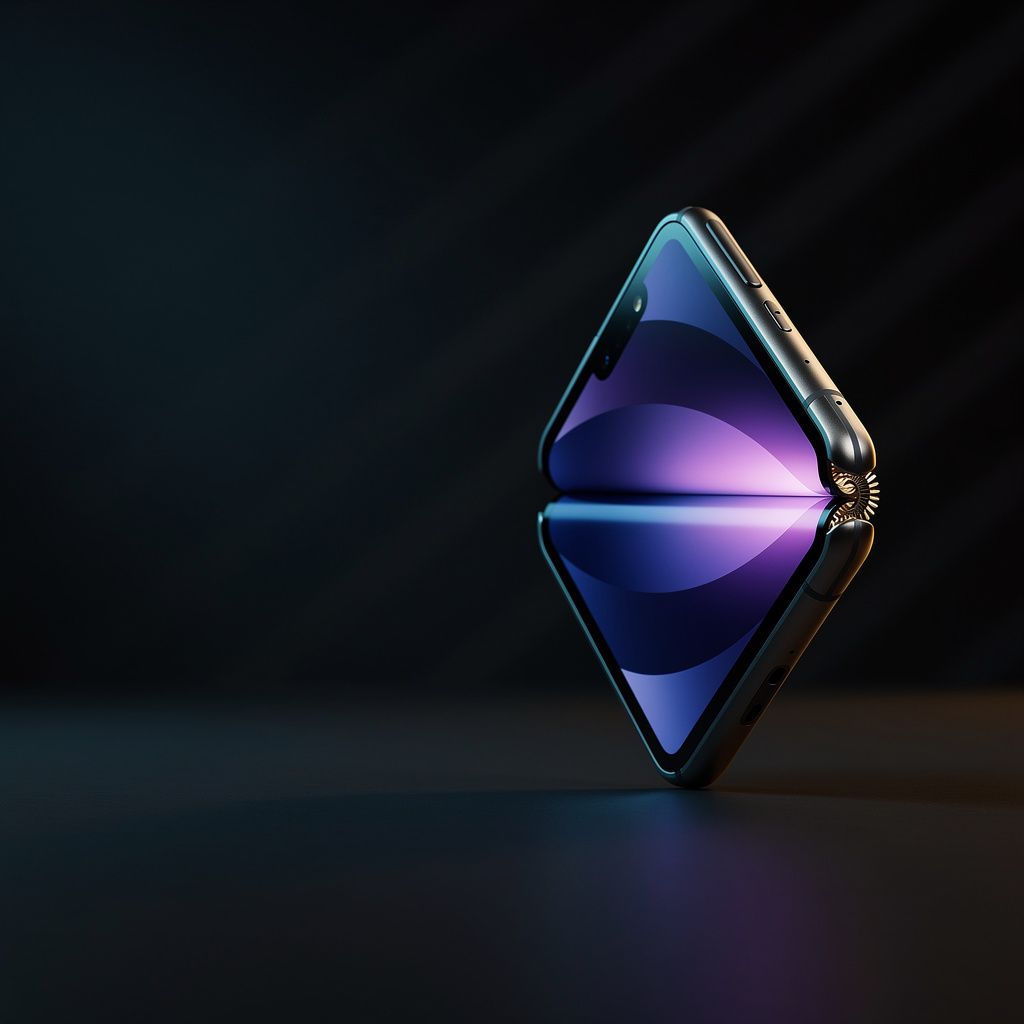
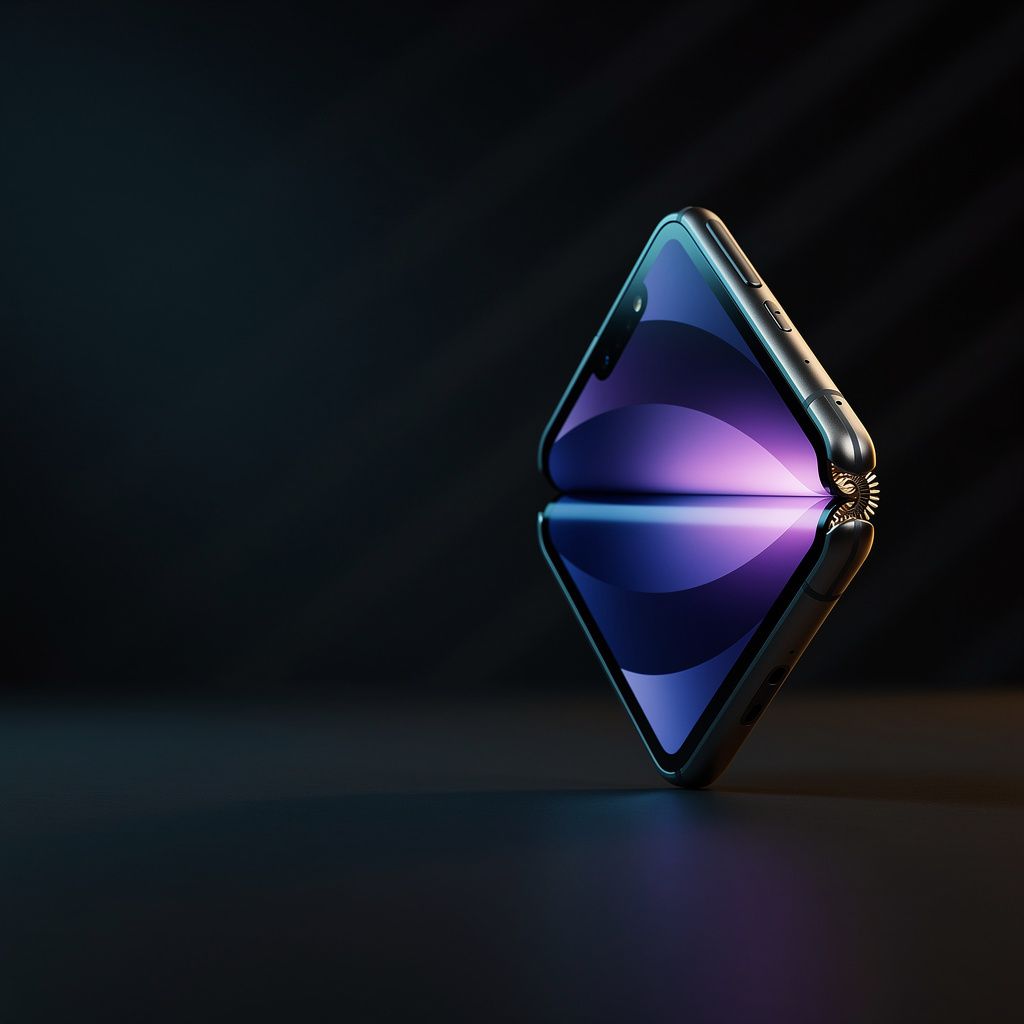
Foldable phones rely on flexible OLED (organic light-emitting diode) display technology that can bend repeatedly without degradation. Unlike traditional rigid glass screens, flexible OLED displays use a thin plastic substrate instead of glass, allowing the entire panel to fold along a designated crease. The display layers include a flexible backlight, color filters, and thin-film transistors all engineered to withstand thousands of fold cycles. Samsung's Infinity Flex Display and similar technologies incorporate protective layers that distribute stress across the fold area, preventing immediate cracking or permanent creasing. The hinge mechanism represents equally critical engineering, with manufacturers using multiple interlocking gears and springs to distribute pressure evenly and maintain consistent gap closure. Advanced hinge designs incorporate up to 60 individual components working in concert to enable smooth folding while maintaining structural integrity. The display's protective coating must balance durability with touch sensitivity, creating a challenging engineering constraint that manufacturers continue refining with each generation.
Core Benefits and Practical Limitations of Foldable Phones
Foldable phones deliver distinct advantages that justify their premium positioning in the smartphone market. The primary benefit is expanded screen real estate—devices offer 7.6-inch displays when unfolded compared to 6.2-inch standard phone screens, providing 40-50% more viewing area for multitasking, content consumption, and productivity applications. This larger display enables true multitasking with split-screen applications, allowing users to view email while drafting responses or watch video while browsing reference material simultaneously. Portability remains exceptional since the device folds to pocket-friendly dimensions, eliminating the need to carry separate tablets. Battery capacity in foldable phones typically ranges from 4,000-5,000 mAh, matching or exceeding traditional flagship phones despite the additional display area.
However, practical limitations warrant serious consideration before purchasing. The display crease—a visible and tactile line running down the center of the unfolded screen—remains noticeable during everyday use, particularly when viewing bright content or using the device at certain angles. Durability concerns persist despite improvements; the folding mechanism and flexible display represent potential failure points, with repair costs reaching $300-500 for screen replacement. Water resistance ratings typically fall to IPX8 (water resistant but not dust resistant) compared to IP68 on traditional flagships, meaning the device handles water immersion but may accumulate dust particles in the hinge mechanism. The outer display on inward-folding phones tends to be narrower (around 5.8 inches) than standard phones, creating an awkward aspect ratio that some users find uncomfortable for single-handed operation. Battery degradation occurs faster than traditional phones due to the constant flexing of internal components, with some users reporting 10-15% capacity loss after two years of regular use.
Inward-Folding vs. Outward-Folding Design Architectures
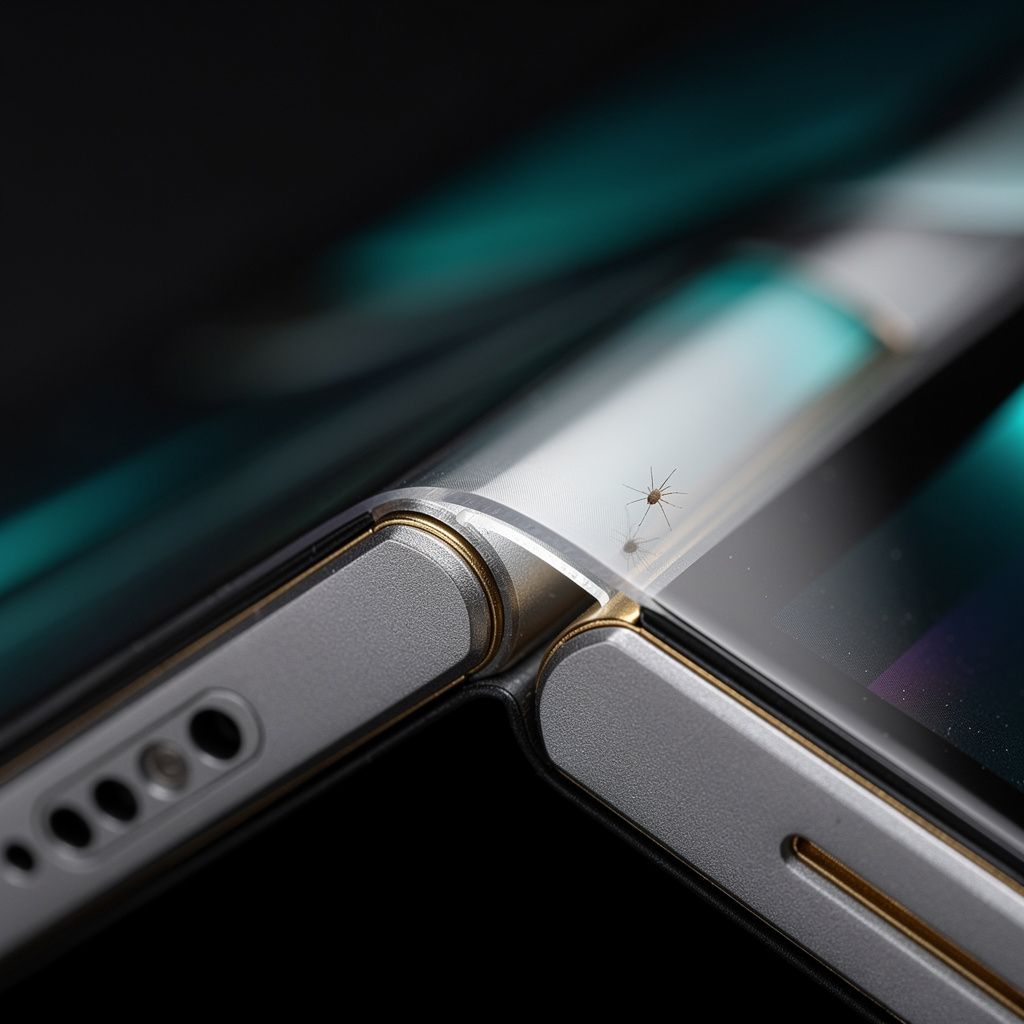
Foldable phones employ two distinct folding orientations, each offering different trade-offs in usability and durability. Inward-folding designs (exemplified by Samsung Galaxy Z Fold series) fold the display inward, with the screen hidden when closed. This approach protects the primary display from direct contact and environmental exposure, extending its lifespan significantly. The trade-off involves a smaller outer display (typically 5.8-6.2 inches) with an unusual 21:9 aspect ratio that feels cramped for typical smartphone tasks. Users must open the device to access the full-sized display for comfortable viewing and interaction. Outward-folding designs (Samsung Galaxy Z Flip series) fold the display outward, keeping the large screen visible when closed. This architecture allows the primary display to serve as both the folded and unfolded interface, eliminating the awkward outer display experience. However, the flexible display faces constant external exposure to dust, scratches, and accidental contact, requiring more robust protective coatings and potentially reducing long-term durability. Outward-folding phones typically feature smaller overall dimensions when folded, creating a more compact package that fits easily in pockets or small bags.
Current Foldable Phone Models and Technical Specifications
| Model | Display Size (Folded/Unfolded) | Processor | RAM/Storage | Battery Capacity | Water Resistance |
|---|---|---|---|---|---|
| Samsung Galaxy Z Fold 6 | 6.3" / 7.6" | Snapdragon 8 Gen 3 | 12GB / 256GB-1TB | 4,400 mAh | IPX8 |
| Samsung Galaxy Z Flip 6 | 3.4" / 6.7" | Snapdragon 8 Gen 3 | 12GB / 256GB-512GB | 4,000 mAh | IPX8 |
| Google Pixel Fold | 5.8" / 7.6" | Snapdragon 8 Gen 2 | 12GB / 256GB-512GB | 4,650 mAh | IPX8 |
| OnePlus Open | 6.3" / 7.82" | Snapdragon 8 Gen 2 | 12GB / 256GB-512GB | 4,805 mAh | IPX8 |
| Motorola Razr 50 Ultra | 3.6" / 6.9" | Snapdragon 8 Gen 3 | 12GB / 256GB-512GB | 4,310 mAh | IPX8 |
Display Technology and Screen Quality Specifications
Modern foldable phones utilize advanced OLED display technology with refresh rates ranging from 120Hz to 144Hz, ensuring smooth scrolling and responsive gaming performance. The primary unfolded display typically achieves 2176 x 1812 pixel resolution on 7.6-inch screens, delivering approximately 373 pixels-per-inch (PPI) density—sufficient for sharp text and detailed imagery. Color accuracy has improved significantly, with manufacturers achieving 100% DCI-P3 color gamut coverage and Delta E color accuracy below 2.0, matching professional display standards. Brightness levels now reach 1,500-2,000 nits peak brightness in high-brightness mode, enabling outdoor visibility even in direct sunlight. The display crease, while still visible, has become less pronounced with each generation, with manufacturers reducing the depth and width of the fold line through improved substrate engineering and protective layer optimization. Anti-reflective coatings minimize glare, and oleophobic treatments reduce fingerprint visibility on the flexible display surface.
Processing Power, Memory, and Performance Capabilities
Leading foldable phones employ flagship processors—primarily Snapdragon 8 Gen 3 or equivalent chips—delivering performance equivalent to traditional flagship devices. These processors feature 8-core architectures with clock speeds reaching 3.3 GHz, enabling seamless multitasking and demanding gaming performance. RAM configurations typically start at 12GB, with premium models offering up to 16GB for intensive multitasking scenarios. Storage options range from 256GB to 1TB, providing ample space for applications, media libraries, and files. Real-world performance testing shows foldable phones achieving 1.2+ million points on Geekbench 6 single-core tests and 3.5+ million on multi-core tests, placing them among the fastest mobile devices available. Thermal management represents a critical consideration; the compact folded form factor concentrates heat generation in a smaller volume, requiring sophisticated vapor chamber cooling systems to maintain optimal performance during extended gaming or video recording sessions. Manufacturers have implemented improved thermal interfaces and graphite layers to dissipate heat more effectively, reducing thermal throttling compared to earlier foldable generations.
Camera Systems and Imaging Capabilities
Foldable phones integrate multi-camera systems comparable to traditional flagships, with main sensors ranging from 48MP to 200MP, ultra-wide cameras at 12MP, and telephoto lenses providing 3x to 10x optical zoom. The primary camera sensor typically features optical image stabilization (OIS), enabling sharp handheld photography in low-light conditions. Video recording capabilities include 8K at 24-30fps or 4K at up to 60fps with advanced stabilization. Night mode processing utilizes computational photography to enhance low-light performance, combining multiple exposures and AI-powered noise reduction. The inner display camera (used for video calls when the device is open) typically features 10MP resolution with autofocus capability, while the outer display camera on inward-folding phones may use lower resolution for space constraints. Portrait mode implementation uses depth sensors and computational techniques to create realistic background blur with accurate edge detection. However, the camera placement on foldable phones can be awkward—the inner camera sits at the top of the unfolded display, creating unusual framing angles for video calls compared to traditional phone positioning.
Battery Performance and Charging Specifications
Foldable phones feature larger battery capacities than traditional phones to power the larger displays, typically ranging from 4,000-4,805 mAh. Real-world battery life varies significantly based on usage patterns; heavy multitasking users report 8-10 hours of screen-on time, while moderate users achieve 12-14 hours. The larger unfolded display consumes more power than traditional phone screens, reducing battery endurance compared to comparably-sized traditional flagships. Fast charging capabilities typically reach 25-65W, enabling 0-50% charge in 30 minutes with compatible chargers. Wireless charging is standard on most foldable phones, with 10-15W capabilities available. Battery degradation occurs faster than traditional phones due to the constant flexing of internal components and heat generation from the hinge mechanism. Manufacturers have implemented improved battery chemistry and thermal management to extend battery lifespan, but capacity loss of 10-15% after two years of regular use remains common. Some users employ battery optimization features and reduced refresh rate settings to extend daily battery life, trading smoothness for endurance.
Durability, Materials, and Long-Term Reliability Considerations
Modern foldable phones employ premium materials including Gorilla Glass Armor on outer surfaces, aluminum frames, and protective layers on the flexible display. The hinge mechanism utilizes stainless steel components with advanced bearing systems designed to withstand 200,000+ fold cycles. Real-world durability testing by independent reviewers shows that current-generation foldable phones can withstand typical daily use without failures, though the devices remain more fragile than traditional phones. The flexible display's protective coating is susceptible to scratches from sharp objects or abrasive materials, requiring protective screen protectors or careful handling. Dust ingress into the hinge mechanism represents a documented issue, with some users reporting debris accumulation after 6-12 months of regular use in dusty environments. Manufacturers have implemented improved hinge sealing and dust-repellent coatings, but complete dust exclusion remains challenging due to the moving hinge design. Water resistance ratings (IPX8) indicate the device can withstand submersion in fresh water up to 1.5 meters for 30 minutes, but salt water and chlorinated water may cause corrosion over time. Repair costs remain significantly higher than traditional phones, with screen replacement ranging from $300-500 and hinge repair potentially exceeding $200.
Practical Use Cases and Real-World Applications
Foldable phones excel in specific use cases where the expanded screen provides tangible benefits. Content creators benefit from the larger display for editing photos and videos, with split-screen multitasking enabling simultaneous reference material viewing. Business professionals utilize the tablet-like form factor for email management, document editing, and spreadsheet work without carrying additional devices. Gaming experiences improve significantly on the larger display, with games optimized for foldable screens offering immersive gameplay with enhanced visual real estate. Video consumption—streaming movies, watching tutorials, or reviewing presentations—becomes more comfortable on the 7.6-inch display. Productivity applications including note-taking, drawing, and document annotation leverage the larger canvas effectively. However, casual smartphone users may find limited practical benefit from the expanded display, as typical activities like messaging, social media browsing, and phone calls function identically to traditional phones. The folded form factor's awkward outer display aspect ratio makes single-handed operation uncomfortable for many users, requiring two-handed interaction for extended sessions.
Key Specifications and Evaluation Criteria Checklist
- Display technology: Verify OLED construction, refresh rate (120Hz minimum), and brightness specifications (1,500+ nits peak)
- Hinge durability: Confirm fold cycle rating (200,000+ cycles) and manufacturer warranty coverage
- Water resistance: Check IPX8 rating and understand limitations regarding dust ingress
- Processor performance: Verify flagship-tier processor (Snapdragon 8 Gen 3 or equivalent) for smooth multitasking
- Battery capacity: Confirm minimum 4,000 mAh capacity and real-world screen-on time expectations
- Camera specifications: Evaluate main sensor resolution (48MP+), optical zoom range, and night mode capabilities
- Outer display quality: For inward-folding phones, assess outer screen refresh rate and aspect ratio usability
- Thermal management: Research user reports regarding heat generation during gaming or video recording
- Software optimization: Confirm operating system version and manufacturer's multitasking software features
- Repair costs and warranty: Understand accidental damage protection options and out-of-warranty repair pricing
Foldable Phone Market Trends and Technological Innovations
The foldable phone market continues evolving with manufacturers implementing incremental but meaningful improvements. Display crease reduction remains a priority, with companies exploring new substrate materials and hinge designs to minimize the visible fold line. Durability enhancements focus on improved protective coatings, better dust sealing, and more robust hinge mechanisms. Battery technology development aims to increase capacity without proportionally increasing device thickness, with manufacturers exploring new chemistry formulations and structural battery designs. Software optimization has become increasingly important, with manufacturers developing foldable-specific features including optimized multitasking interfaces, improved app scaling for the larger display, and specialized gaming modes. Pricing trends show gradual reduction in foldable phone costs as manufacturing scales and competition increases, with entry-level foldable models now available at $1,200-1,400 compared to $1,800-2,000 for earlier generations. Manufacturer diversity has increased, with Google, OnePlus, Motorola, and Chinese brands entering the market alongside Samsung's established dominance. Technological convergence suggests future foldable phones may feature improved durability matching traditional flagships while maintaining premium pricing due to manufacturing complexity and limited production volumes.
Selection Framework: How to Choose the Right Foldable Phone
Selecting an appropriate foldable phone requires evaluating your specific use cases and priorities. First, determine your primary motivation: if multitasking and productivity drive your interest, inward-folding phones like the Galaxy Z Fold offer superior unfolded display quality and multitasking capabilities. If portability and outer display usability matter most, outward-folding phones like the Galaxy Z Flip provide a more compact package with a usable outer screen. Second, assess your budget constraints, as foldable phones start at $1,200-1,400 and reach $2,000+ for premium models. Third, evaluate durability requirements based on your environment and handling habits—if you work in dusty conditions or handle devices roughly, foldable phones may not be ideal. Fourth, consider software ecosystem preferences, as Samsung offers the most mature foldable software experience with optimized multitasking features, while Google Pixel Fold and OnePlus Open provide stock Android experiences with different optimization approaches. Fifth, research real-world user experiences through independent reviews and user forums, focusing on long-term reliability reports and common issues. Finally, examine warranty and insurance options, as accidental damage protection becomes crucial given repair costs; many manufacturers offer optional coverage plans ranging from $100-200 annually.
Practical Tips for Maximizing Foldable Phone Performance and Longevity
Protecting your foldable phone investment requires specific practices beyond traditional smartphone care. Apply a protective screen protector designed for flexible displays, using materials that maintain touch sensitivity while reducing scratch risk. Clean the hinge mechanism regularly using a soft, dry brush to remove dust accumulation, preventing debris from interfering with smooth operation. Avoid exposing the device to extreme temperatures, as the flexible display's polymer substrate can degrade under prolonged heat or cold exposure. Enable adaptive refresh rate features to reduce battery drain and heat generation during typical usage. Use split-screen multitasking intentionally rather than constantly, as the feature increases processor load and heat output. Avoid placing the device in tight pockets or bags where external pressure might stress the hinge mechanism. Store the device in a protective case designed for foldable phones, providing cushioning and hinge support. Charge the device regularly rather than allowing complete battery depletion, as this practice extends overall battery lifespan. Update software promptly when manufacturer updates become available, as these often include stability improvements and performance optimizations. Consider purchasing accidental damage protection or insurance, given the high repair costs associated with screen or hinge damage.
Frequently Asked Questions About Foldable Phones
How long does the foldable display last before it degrades? Modern foldable displays are engineered to withstand 200,000+ fold cycles, equivalent to folding the device approximately 100 times daily for 5+ years. Real-world degradation depends on usage patterns, environmental conditions, and protective measures. Most users report acceptable display quality after 2-3 years of regular use, though some capacity loss and minor crease visibility may increase. Manufacturers typically offer 1-2 year warranties covering display defects, with optional extended protection plans available for additional cost.
Are foldable phones worth the premium pricing compared to traditional flagships? The value proposition depends on your specific use cases and priorities. If you regularly multitask, consume content on larger screens, or work with productivity applications, the expanded display and multitasking capabilities may justify the $500-800 premium over traditional flagships. If you primarily use your phone for messaging, social media, and casual browsing, the additional cost may not translate to meaningful benefits. Consider your actual usage patterns and whether the larger screen genuinely improves your workflow or entertainment experience.
What is the difference between inward and outward folding, and which is better? Inward-folding phones protect the primary display when closed, extending durability but requiring opening the device to access the full-sized screen. Outward-folding phones keep the display visible when folded, enabling single-display functionality but exposing the flexible screen to environmental hazards. Neither design is objectively superior; the choice depends on your priorities regarding durability, outer display usability, and form factor preferences. Inward-folding suits productivity-focused users, while outward-folding appeals to those prioritizing portability and outer screen usability.
How does the visible crease affect everyday usability? The display crease is visible and tactile, particularly noticeable when viewing bright content or using the device at certain angles. However, most users report the crease becomes less bothersome after the initial adjustment period, as they adapt to its presence. The crease does not interfere with touch sensitivity or display functionality, though some users find it distracting during video playback or photo viewing. Manufacturers continue reducing crease visibility through improved engineering, with newer models showing less pronounced fold lines than earlier generations.
What warranty and protection options are available for foldable phones? Manufacturers typically offer 1-2 year limited warranties covering manufacturing defects but excluding accidental damage. Most manufacturers provide optional accidental damage protection plans ranging from $100-200 annually, covering screen replacement, water damage, and mechanical failures. Some insurance providers offer third-party coverage with deductibles typically between $50-150. Carefully review coverage terms, as some plans exclude certain damage types or require specific repair procedures through authorized service centers.
Key Takeaways: Essential Insights for Foldable Phone Buyers
Foldable phones represent a mature technology category offering genuine practical benefits for specific use cases, particularly multitasking, content creation, and productivity applications. Current-generation devices deliver reliable performance with improved durability compared to earlier models, though they remain more fragile than traditional phones and require more careful handling. The display crease remains visible but has become less pronounced, and most users adapt to its presence after initial use. Battery life remains competitive with traditional flagships despite the larger display, and processing power matches flagship performance standards. The premium pricing reflects manufacturing complexity, limited production volumes, and the innovative engineering required to create durable foldable displays. Before purchasing, honestly assess whether the expanded screen and multitasking capabilities align with your actual usage patterns and whether the premium cost justifies the benefits for your specific needs. Research long-term reliability reports and user experiences, prioritize accidental damage protection given repair costs, and select a device whose folding design (inward vs. outward) matches your usability preferences. As the technology continues maturing and competition increases, foldable phones will likely become more affordable and durable, making them increasingly viable for mainstream consumers beyond early adopters and technology enthusiasts.