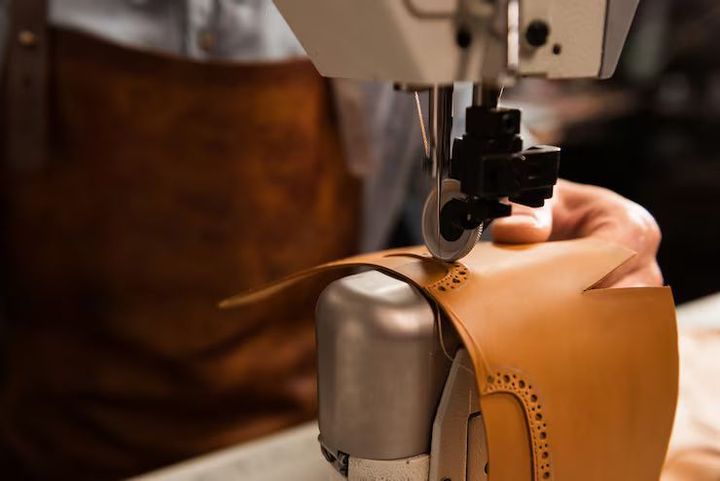
Bag Making Lines Explanation: Machines, Material Feeding, Forming Processes and Bag Production
Bag making lines are integrated production systems used to convert materials such as plastic film, paper, woven fabric, or nonwoven sheets into finished bags. A modern bag making line can include material feeding, printing, cutting, forming, sealing, handle preparation, and inspection stages. Understanding bag making lines, bag making machines, material feeding systems, forming processes, and bag production helps explain how different types of bags are manufactured from rolls or sheets.
What Are Bag Making Lines?
A bag making line is a sequence of machines and mechanisms arranged to transform raw or semi-finished material into a usable bag. Depending on the material and bag design, the line may perform several operations automatically or combine automated and manually monitored stages.
Plastic bag production commonly begins with film supplied in rolls. Paper bag production generally starts with paper reels or sheets, while woven and nonwoven bags may use fabric rolls. Each material requires different handling, forming, cutting, and joining methods.
The basic production sequence can include:
- Material feeding from a roll or sheet stack
- Web alignment and tension control
- Printing or surface treatment
- Folding or tube formation
- Cutting into individual bag sections
- Bottom or side sealing
- Handle formation or attachment
- Inspection and counting
- Stacking and packaging
The exact arrangement depends on the bag type. A simple flat bag may require fewer stages than a shopping bag, paper sack, valve bag, or reusable fabric bag.
How Bag Production Developed
Traditional bag production depended heavily on manual cutting, folding, stitching, and joining. As packaging requirements increased, manufacturers developed mechanical equipment that could repeat these operations with greater consistency.
The development of continuous-roll machinery introduced another major change. Instead of processing individual sheets one at a time, machines could move a continuous web through multiple stages. This approach became important for high-volume bag production because feeding, forming, cutting, and sealing could occur in a connected sequence.
Modern bag making lines may use electronic controls, sensors, servo drives, automatic registration systems, and computerized monitoring. These technologies allow operators to adjust production parameters while monitoring material movement and machine performance.
Importance
Why Bag Making Lines Matter
Bags are used for packaging food products, household materials, agricultural goods, retail items, industrial products, and many other applications. The production process therefore affects manufacturers, packaging companies, retailers, logistics operations, and consumers.
A properly designed bag making machine must coordinate several functions. Material has to move through the line at a controlled speed, remain aligned, and undergo forming or sealing without unwanted deformation.
Important production factors include:
- Material thickness and flexibility
- Bag dimensions
- Folding accuracy
- Sealing temperature and pressure
- Cutting position
- Handle configuration
- Printing alignment
- Production speed
- Material waste
- Inspection requirements
Material Feeding and Handling
Material feeding is one of the first important stages in many bag making lines. A feeding system pulls material from a roll or stack and guides it toward subsequent processing units.
Web tension is particularly important for roll-fed materials. Excessive tension can stretch or deform a film or paper web, while insufficient tension can create wrinkles or uneven movement. Sensors, rollers, tension controllers, and alignment mechanisms can help maintain controlled material movement.
For sheet-fed systems, feeding mechanisms separate individual sheets and move them into the forming area. The required mechanism depends on the material thickness, surface characteristics, sheet dimensions, and machine configuration.
Bag Forming Processes
Bag forming refers to the stages in which flat material is converted into the required bag shape. Common processes include folding, tubing, gusset formation, cutting, bottom formation, and sealing.
Plastic bags may use heat sealing to join selected sections of film. Paper bags may use adhesive bonding and mechanical folding. Woven bags can involve cutting, folding, stitching, or heat-based processes depending on the material.
The forming process must match the physical characteristics of the material. A process designed for flexible plastic film cannot automatically be applied to thick paper or woven fabric without suitable changes.
Recent Updates
Automation and Machine Controls
From 2024 through 2026, bag production has continued moving toward greater automation, digital monitoring, and improved process control. Modern bag making machines increasingly use electronic control systems to coordinate feeding, cutting, sealing, and other operations.
Sensors can monitor registration marks, material position, temperature, tension, and machine conditions. Servo-driven mechanisms can provide controlled movement during cutting, feeding, and forming operations.
Digital interfaces also make it easier for operators to monitor production parameters from a central control panel. Depending on the machine design, stored settings can help maintain repeatable operating conditions when changing between different bag formats.
Material Efficiency and Waste Reduction
Material efficiency has become an important consideration as packaging manufacturers examine ways to reduce production waste. Improved web control, cutting patterns, registration systems, and process monitoring can help reduce unnecessary material losses.
At the same time, packaging regulations and environmental discussions have increased attention toward paper, recycled materials, reusable formats, compostable materials, and recyclable plastic structures. The suitability of a material depends on its intended application and the relevant regulatory requirements.
Data and Quality Monitoring
Production monitoring is also becoming more connected. Some bag making lines can collect information about production quantities, machine conditions, downtime, and process parameters.
This type of data can help identify recurring production interruptions or variations. It can also support routine maintenance planning and process analysis without requiring operators to rely entirely on manual records.
Laws or Policies
Plastic Bag Regulations in India
In India, plastic bag production is influenced by the Plastic Waste Management Rules, 2016, along with subsequent amendments and related requirements. The Plastic Waste Management (Amendment) Rules, 2024 introduced further changes to definitions and regulatory provisions concerning plastic packaging and related materials.
For plastic carry bags made from virgin or recycled plastic, the regulatory framework specifies minimum thickness requirements. Central Pollution Control Board material states that the minimum thickness was increased to 120 microns from the end of 2022.
Manufacturers and other entities involved with plastic packaging may also need to consider Extended Producer Responsibility requirements, registration procedures, waste management obligations, and applicable Central Pollution Control Board or State Pollution Control Board requirements. The exact obligations depend on the material, product category, and role of the organization.
Single-Use Plastic Restrictions
India also restricts certain identified single-use plastic items. These restrictions are relevant when determining whether a particular bag design or material falls within a regulated category. Enforcement and implementation can involve central and state-level authorities.
Paper, woven, and other non-plastic bags are subject to different considerations, so regulations should be evaluated according to the specific material and application. Manufacturers should consult the applicable government rules and standards before establishing production specifications.
Tools and Resources
Production Planning Tools
Several practical tools can help explain and analyze bag production. A material usage calculator can estimate the amount of film, paper, or fabric required for a particular bag size. A production calculator can also estimate theoretical output using machine speed and cycle information.
Useful planning resources include:
- Bag dimension and material calculators
- Roll length and weight calculators
- Material thickness conversion references
- Production planning spreadsheets
- Preventive maintenance checklists
- Machine inspection forms
- Quality-control templates
- Material specification sheets
These tools can help organize production information without replacing technical assessment of a specific machine or material.
Standards and Government Resources
For plastic packaging in India, the Central Pollution Control Board provides information covering plastic waste rules, technical guidelines, registration systems, and related environmental requirements.
Machine documentation is another important resource. Operating manuals generally describe machine settings, safety procedures, maintenance intervals, compatible materials, and adjustment methods. Technical specifications should be checked before using a material or bag format that differs from the machine's intended configuration.
FAQs
What is a bag making line?
A bag making line is a connected group of machines and production units that converts rolls or sheets of material into finished bags. Depending on the design, it may include feeding, printing, folding, forming, cutting, sealing, handle preparation, inspection, and counting.
What machines are used in bag production?
Common bag making machines include film or paper feeding units, printing machines, folding systems, cutting machines, sealing units, handle machines, stitching equipment, and automatic counting systems. The exact machine combination depends on the bag material and design.
How does material feeding work in a bag making machine?
Material feeding moves a continuous roll or individual sheets through the production line at a controlled rate. Roll-fed systems commonly use rollers, tension controls, and alignment mechanisms to maintain consistent material movement.
What are common bag forming processes?
Common bag forming processes include folding, gusseting, tubing, cutting, heat sealing, adhesive bonding, stitching, and handle attachment. Different materials require different combinations of these processes.
Are plastic bag making lines affected by Indian regulations?
Yes. Plastic bag production in India can be affected by the Plastic Waste Management Rules and subsequent amendments, including requirements concerning plastic carry-bag thickness, restricted single-use plastic items, and plastic packaging waste management. The applicable requirements depend on the material and product category.
Conclusion
Bag making lines combine material feeding, forming, cutting, joining, inspection, and handling processes to convert rolls or sheets into finished bags. Different bag materials require different machines and production methods, with plastic, paper, woven, and nonwoven materials each having distinct processing characteristics. From 2024 through 2026, automation, digital monitoring, material efficiency, and environmental compliance have remained important areas of development. In India, plastic bag production is also shaped by the Plastic Waste Management Rules and related requirements.