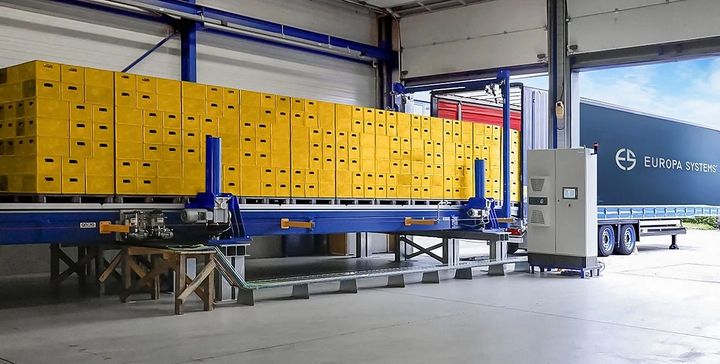
Automatic Loading Systems Guide With Industrial Automation and Material Handling Insights
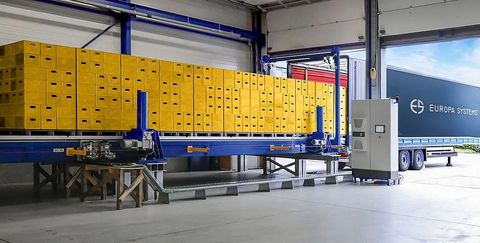
Automatic loading systems are designed to move, position, feed, or load materials with limited manual handling. They are used across manufacturing, warehousing, packaging, logistics, agriculture, and other industrial environments where materials must move between different stages of a process.
Modern automatic loading systems combine mechanical equipment, sensors, controls, conveyors, robotic mechanisms, and software to coordinate material movement. Their development is closely connected with industrial automation and material handling, where organizations seek consistent workflows, improved workplace conditions, and better control over repetitive operations.
Context
What Automatic Loading Systems Mean
An automatic loading system is a group of machines and control components that performs loading activities with limited direct human involvement. Depending on the application, the system may load cartons, pallets, containers, raw materials, components, bulk products, or finished goods.
The equipment can be designed around a specific production process or integrated into a larger automated material handling system. Some systems use conveyors and mechanical arms, while others use robotic equipment, lifts, feeders, or automated guided equipment.
How Loading Automation Developed
Traditional loading activities often required workers to repeatedly lift, carry, position, or transfer materials. As production volumes increased, manufacturers developed mechanical equipment to reduce repetitive movement and improve process coordination.
Industrial automation introduced sensors, programmable controls, variable-speed drives, robotics, and computer-based monitoring. These technologies allowed loading operations to become part of connected production lines instead of functioning as isolated manual activities.
Common System Components
An automatic loading system can contain several components depending on the application.
- Conveyors move materials between designated points.
- Sensors detect the position, size, or presence of materials.
- Robotic arms can pick and position individual products.
- Palletizers arrange products into organized pallet loads.
- Feeders control the movement of components into processing equipment.
- Lifting mechanisms raise or lower loads between working levels.
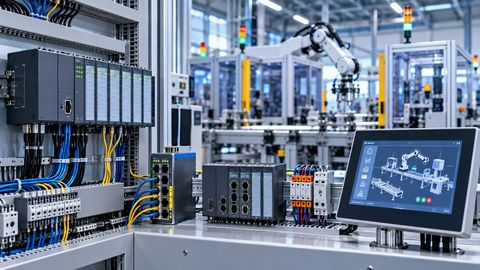
- Programmable controllers coordinate machine movements.
- Safety devices monitor access areas and machine conditions.
The combination of these components determines how a loading system operates and how it interacts with surrounding equipment.
Importance
Why Loading Automation Matters
Automatic loading systems can address several challenges associated with repetitive material movement. They can create more consistent movement patterns and help coordinate loading with production, storage, packaging, or transportation activities.
The technology is particularly relevant when materials are heavy, repetitive handling is frequent, or production lines operate continuously. Automation can also help reduce unnecessary movement between workstations by creating a planned material flow.
Who Uses These Systems
Automatic loading systems are found in many industries, including:
- Manufacturing facilities
- Warehouses and distribution centers
- Food and beverage processing
- Automotive production
- Pharmaceutical and medical-product manufacturing
- Electronics assembly
- Packaging operations
- Agricultural processing
- Building-material production
The exact equipment depends on the material being handled, required throughput, available space, load characteristics, and interaction with other machines.
Material Handling Challenges
Material handling involves more than simply moving an item from one location to another. A loading process may need to account for weight, dimensions, shape, orientation, stability, speed, and destination.
Poorly coordinated movement can create bottlenecks or unnecessary handling steps. Automatic loading systems are therefore commonly integrated with conveyors, storage systems, robotic equipment, packaging machinery, and production controls.
Basic Comparison of Loading Approaches
| Loading Approach | Typical Use | Automation Level | Common Considerations |
|---|---|---|---|
| Manual loading | Small-scale or variable tasks | Low | Human movement and process variation |
| Assisted loading | Repetitive handling with mechanical support | Medium | Equipment interaction and operator control |
| Automatic loading | Repetitive, structured workflows | High | Sensors, controls, safety systems |
| Robotic loading | Flexible picking and positioning | High | Robot reach, payload, programming |
| Integrated loading | Connected production or warehouse operations | High | Communication between multiple systems |
Recent Updates
Smarter Industrial Automation
Recent developments have focused on connecting automatic loading systems with broader industrial automation platforms. Sensors and digital controllers can collect operational information and communicate with other machines within a production or warehouse environment.
This connected approach can help organizations understand equipment status, material movement, and process interruptions. Human operators may use control panels or software interfaces to monitor system conditions and adjust predefined operating parameters.
Robotics and Machine Vision
Robotic loading has also developed through improvements in machine vision, motion control, and sensing technology. Vision systems can identify the location and orientation of objects, allowing robotic equipment to handle products with greater variation.
Machine vision is particularly useful when items do not arrive in exactly the same position. Cameras and image-processing systems can provide information that helps the control system determine where an object is located before movement begins.
Flexible Material Movement
Modern material handling increasingly involves equipment that can accommodate different product sizes or production requirements. Modular conveyors, programmable robots, automated storage systems, and adjustable loading equipment can be configured for different workflows.
The broader trend is toward connected automation rather than isolated machines. Automatic loading systems may exchange information with warehouse management software, manufacturing execution platforms, inventory systems, or production controllers.
Data and Predictive Monitoring
Sensors can collect information about operating cycles, motor conditions, movement patterns, and machine interruptions. When this information is analyzed over time, it can help identify unusual operating conditions and support maintenance planning.
Data-driven monitoring does not remove the need for physical inspection or qualified technical assessment. Instead, it provides another source of information for understanding equipment behavior.
Laws or Policies
Machinery Safety Requirements
Automatic loading systems are affected by machinery safety requirements in the country or region where the equipment is installed. Regulations commonly address guarding, emergency stopping, electrical safety, operator access, risk assessment, and safe machine operation.
Because requirements differ between jurisdictions and applications, equipment users normally need to determine which rules apply to their specific installation.
Workplace Safety
Workplace safety policies can address risks associated with moving machinery, lifting operations, pinch points, falling materials, unexpected machine movement, and access to automated areas.
Typical safety measures may include physical guards, interlocked doors, emergency-stop controls, warning systems, restricted access zones, and documented operating procedures.
Equipment Integration
When an automatic loading system is connected to other machinery, the complete installation may need to be considered rather than examining each machine separately. Conveyor speeds, robotic movement, transfer points, electrical connections, and emergency controls can interact with one another.
Organizations should therefore review applicable machinery, electrical, workplace, and material-handling requirements before operating an automated installation. General information cannot replace the requirements established by the relevant authority or equipment documentation.
Tools and Resources
Planning and Design Tools
Several tools can help people understand and plan automated loading processes. Layout software can be used to visualize conveyor routes, machine positions, loading areas, storage zones, and operator access.
Process-mapping templates can also help document how materials move through different stages. A basic process map may include the starting point, loading operation, transfer stage, inspection point, storage location, and final destination.
Monitoring and Control Platforms
Industrial control platforms allow operators and technical teams to monitor automated equipment. Depending on the system, these platforms can display sensor information, machine status, alarms, production cycles, and operating conditions.
Warehouse management and manufacturing execution platforms may also exchange information with automated material handling equipment. Integration can help coordinate inventory movement and production activities.
Useful Planning Information
Before selecting or designing an automatic loading system, several characteristics should be documented:
- Material type and dimensions
- Load weight and stability
- Required movement frequency
- Loading and unloading locations
- Available floor space
- Conveyor or robot requirements
- Operator interaction
- Safety requirements
- Electrical and control requirements
- Maintenance access
Understanding these factors provides a clearer picture of how an automated loading process should interact with the surrounding workflow.
FAQs
What is an automatic loading system?
An automatic loading system uses mechanical equipment, sensors, controls, or robotics to move and position materials with limited manual handling. It can be used for production, packaging, warehousing, and other material-handling activities.
How does an automatic loading system work?
An automatic loading system generally detects material, determines its position or movement sequence, and uses programmed equipment to transfer it to a designated location. Sensors and controllers coordinate individual steps.
Where are automatic loading systems used?
Automatic loading systems are used in manufacturing, warehouses, packaging facilities, food processing, automotive production, electronics, agriculture, and other environments involving repeated material movement.
What equipment is used with industrial loading automation?
Industrial loading automation may use conveyors, robotic arms, palletizers, feeders, sensors, programmable controllers, lifting mechanisms, machine vision, and warehouse or production software.
What safety considerations apply to automatic loading systems?
Important considerations include machine guarding, emergency stopping, access control, electrical protection, safe lifting, moving-machine hazards, and appropriate operating procedures. Applicable requirements depend on the installation and jurisdiction.
Conclusion
Automatic loading systems combine mechanical equipment, sensors, controls, and automation technologies to organize repetitive material movement. Their role has expanded as manufacturing and warehouse environments have become more connected and data-driven. Current developments include robotics, machine vision, modular material handling, digital monitoring, and integration with broader industrial automation platforms. Safe implementation requires attention to machine design, workplace procedures, equipment integration, and applicable safety requirements.