Australia Family Travel Guide: Destinations, Activities, Hotels and Trip Planning Considerations
An Australia family travel guide brings together the practical information families may need when planning a holiday across a large and geographically diverse country. Australia includes major cities, beaches, islands, rainforests, national parks, wildlife areas, cultural attractions and extensive regional landscapes, so the type of trip can vary considerably depending on the destination and the ages of the children.
Context
An Australia family travel guide brings together the practical information families may need when planning a holiday across a large and geographically diverse country. Australia includes major cities, beaches, islands, rainforests, national parks, wildlife areas, cultural attractions and extensive regional landscapes, so the type of trip can vary considerably depending on the destination and the ages of the children.
Family travel in Australia can include city sightseeing, wildlife encounters, outdoor activities, museums, beaches, road trips and visits to culturally significant places. Tourism Australia identifies destinations such as Sydney, Melbourne, the Gold Coast, Canberra, Cairns, Brisbane, Perth, Adelaide, Hobart, Darwin and Alice Springs among destinations that can be considered for family travel.
The size of the country is an important planning consideration. Travelling between distant regions can require flights or substantial driving time, while some regional destinations may need additional preparation for weather, road conditions, accommodation availability and outdoor safety.
A family itinerary therefore needs to consider more than the attractions themselves. Travel time, accommodation arrangements, children's ages, seasonal conditions, transport, meals, rest periods and the level of physical activity can all influence how practical a trip is.
Common family travel styles
Families may structure an Australia trip around one main city, combine two or three destinations, or take a regional road trip. A city-based itinerary can reduce long transfers, while a road trip can provide access to smaller towns, coastal areas and national parks.
Some commonly considered travel styles include:
- City-based travel: museums, cultural attractions, parks, public transport and family-oriented activities.
- Beach holidays: swimming, coastal walks and other water-related activities where conditions permit.
- Nature trips: national parks, wildlife areas, hiking and scenic locations.
- Road trips: self-drive journeys connecting several towns or attractions.
- Mixed itineraries: a combination of cities, nature, wildlife and cultural experiences.
Importance
Planning matters because family travel involves several different needs at the same time. Younger children may require regular breaks and shorter activity periods, while older children and teenagers may prefer more active experiences or greater variety.
Australia's distances can also affect the amount of time available for activities. A destination that appears close on a map may still involve substantial driving, particularly when travelling through regional or remote areas.
Tourism Australia recommends building flexibility into family itineraries because weather and other circumstances can affect planned activities. It also notes that some organised experiences have limited capacity, making advance planning relevant during busy travel periods.
Choosing destinations by family interests
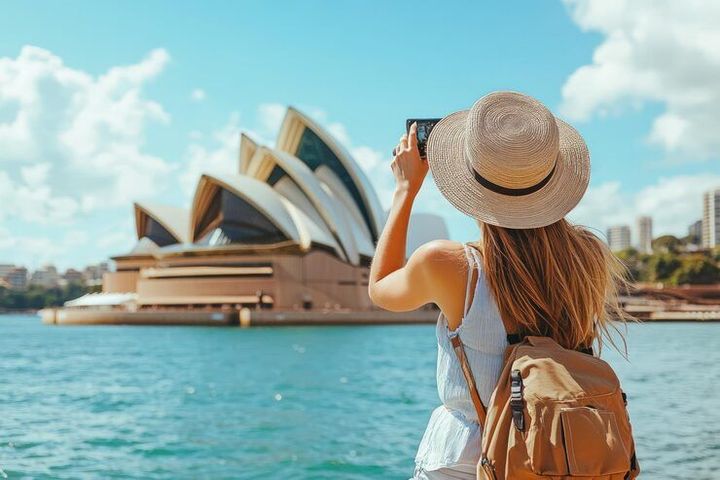
Different destinations provide different combinations of activities. For example, Sydney can combine urban attractions with beaches, while the Gold Coast has beaches, wildlife experiences and theme parks. Cairns provides access to tropical environments and the Great Barrier Reef, while Canberra includes museums and educational attractions.
| Destination or region | Family activity themes | Planning considerations |
|---|---|---|
| Sydney | Museums, beaches, harbour attractions | Urban transport and activity scheduling |
| Gold Coast | Beaches, wildlife, theme parks | Activity reservations and weather |
| Melbourne | Museums, parks, culture and nearby excursions | City travel and day-trip planning |
| Canberra | Museums, galleries and educational attractions | Indoor and outdoor activity balance |
| Cairns | Reef, rainforest and wildlife | Weather, water conditions and transfers |
| Great Ocean Road | Coastal scenery and wildlife | Driving time and regular breaks |
| Kakadu | Nature, wildlife and First Nations culture | Seasonal access and remote-area preparation |
| Hobart and Tasmania | Nature, museums and regional travel | Longer transfers between locations |
These destinations are examples rather than a ranking. Tourism Australia's family travel material includes a broad range of Australian cities and regional areas, reflecting the variety of travel styles available.
Selecting family activities
Activities should be matched with the children's ages, interests and physical abilities. Museums, wildlife parks, aquariums and cultural attractions can provide alternatives when outdoor conditions are unsuitable.
Outdoor activities require additional consideration. Families visiting beaches, national parks or remote areas should check local conditions, follow signs and observe directions from relevant authorities or park managers.
Recent Updates
Australia's tourism sector has continued to recover and expand during the 2024–2026 period. Tourism Research Australia reported 8.5 million international trips to Australia in the year ending March 2026, representing a 10% increase compared with the previous year. Holiday travel accounted for 3.6 million trips in the year ending December 2025, an increase from the corresponding 2024 period.
Domestic tourism statistics also moved to a new collection approach in 2025, replacing the previous National Visitor Survey with the Domestic Tourism Statistics collection. This change is relevant when comparing recent Australian tourism data across different reporting periods.
Changes affecting family planning
Recent tourism planning information places continued emphasis on flexible itineraries, regional travel and outdoor experiences. Tourism Australia provides itinerary resources covering short trips, longer journeys, road trips and family travel.
Infrastructure developments can also affect individual destinations. In Kakadu National Park, road upgrades have been planned to improve flood resilience, road width and access on several routes, with works extending across multiple years. Conditions can still vary by season, so visitors need to check current park information before travelling.
The broader trend is toward combining several types of experiences rather than planning an itinerary around one attraction. Families can combine educational activities, nature, wildlife, cultural experiences and leisure time according to the destination and season.
Laws or Policies
Travel to Australia is subject to immigration, customs, biosecurity, road-safety and local-area rules. Requirements can vary according to nationality, visa category, state or territory, and the particular activity being undertaken.
International visitors should check current visa and entry requirements through the Australian Government's Department of Home Affairs before travelling. Australia's border authorities also apply biosecurity controls to food, plant material and animal products.
Biosecurity requirements
Australia has strict biosecurity controls because imported food, plant material and animal products can carry pests or diseases. Travellers may need to declare particular items when entering the country, and declared items can be assessed by biosecurity officers.
Families should therefore check current requirements before packing food, outdoor equipment, plant material or animal-related products. The rules can apply even to relatively small quantities of certain items.
Road and child-safety rules
Road rules are administered at the state and territory level, so requirements can differ depending on where a family is travelling. The National Road Safety Strategy provides links to road-safety strategies maintained by individual states and territories.
Child restraint requirements also need to be checked for the relevant jurisdiction and the child's circumstances. Families using a rental vehicle should verify the appropriate restraint requirements and make arrangements before the journey rather than assuming that one rule applies throughout Australia.
National parks and protected areas can have additional rules covering camping, swimming, fires, wildlife interactions, walking tracks and access to particular locations. These rules may change according to weather, environmental conditions or temporary closures.
Tools and Resources
Several official resources can help families organise an Australia trip. Tourism Australia's planning pages include information on destinations, seasons, school holidays, itineraries, transport, accommodation and family road trips.
Trip planners and itinerary tools
A digital itinerary can combine accommodation locations, transport arrangements, activities, rest periods and estimated travel times. Mapping tools can help identify distances between stops, while official destination websites can provide information about attractions and local conditions.
For road trips, it is useful to divide longer journeys into manageable sections. Tourism Australia recommends regular breaks during family road trips and suggests avoiding excessively long driving days.
Weather and park information
Weather information is particularly relevant when planning outdoor activities. Australia's climate varies considerably between regions, and seasonal conditions can affect roads, walking tracks, beaches, national parks and water-based activities.
National park websites should be checked for current access conditions, closures, alerts and safety directions. This is particularly relevant for remote areas, where conditions can change quickly.
Accommodation planning
Family accommodation can include hotels, apartments, holiday parks and other lodging formats. When comparing options, families can consider room configuration, sleeping arrangements, kitchen facilities, laundry access, location, transport connections and proximity to planned activities.
Accommodation selection should also take into account the daily itinerary. Staying near major activities can reduce repeated travel, while regional accommodation may make a road-trip route more practical.
FAQs
What are some Australia family travel destinations?
Australia family travel destinations include Sydney, Melbourne, the Gold Coast, Canberra, Cairns, Brisbane, Perth, Adelaide, Hobart and regional areas such as the Great Ocean Road and Kakadu. The appropriate choice depends on children's ages, interests, season and available travel time.
What activities can families do in Australia?
Family activities can include museums, wildlife experiences, beaches, nature walks, cultural programs, road trips, reef excursions and visits to national parks. Activity suitability depends on age, physical ability, weather and local conditions.
How should families choose hotels in Australia?
Families can compare accommodation according to location, room configuration, sleeping arrangements, facilities, transport access and distance from planned activities. The number of people travelling and the ages of children can also influence which room arrangement is practical.
Is a road trip suitable for an Australia family travel itinerary?
A road trip can be included in an Australia family travel itinerary when the route, driving distances and breaks are planned carefully. Longer journeys should allow time for rest stops and changes caused by weather or road conditions.
What should families check before travelling to Australia?
Families should check current entry requirements, biosecurity rules, weather, transport arrangements, accommodation details, park conditions and applicable road rules. Official government and destination websites should be used for requirements that may change.
Conclusion
Australia family travel can combine cities, beaches, wildlife, nature, cultural experiences and regional journeys. Choosing destinations according to available time, children's ages, interests, weather and travel distances can help create a practical itinerary. Current planning also requires attention to entry requirements, biosecurity rules, local road regulations and conditions in national parks. Because these requirements and local conditions can change, current official information remains important when planning a trip.