Asthma: Symptoms, Causes, Treatment and Prevention Guide
Asthma is a chronic lung condition that can affect breathing at any age. Learn about symptoms, triggers, diagnosis, asthma treatment, recent developments, policies, and practical management tools.
Asthma is a chronic respiratory condition in which inflammation and narrowing of the airways can make breathing difficult. Common symptoms include coughing, wheezing, shortness of breath, and chest tightness. Symptoms may vary over time and can become worse after exposure to certain triggers.
Asthma can develop during childhood or adulthood. Some people experience occasional symptoms, while others need ongoing asthma management. Common triggers can include tobacco smoke, air pollution, respiratory infections, allergens, exercise, and workplace exposures.
Asthma does not have one single cause. Genetic factors, environmental exposure, allergies, and airway inflammation can all contribute to the condition.
Why Asthma Matters
Asthma is one of the most common chronic respiratory diseases and affects both children and adults. The World Health Organization estimated that asthma affected about 363 million people worldwide in 2023 and was associated with approximately 442,000 deaths.
Good asthma management can help people maintain normal daily activities and reduce the risk of serious symptoms. A personalized asthma action plan can help people recognize worsening symptoms and understand when medical attention may be needed.
Important areas of asthma care include:
- Identifying individual triggers
- Monitoring symptoms and breathing patterns
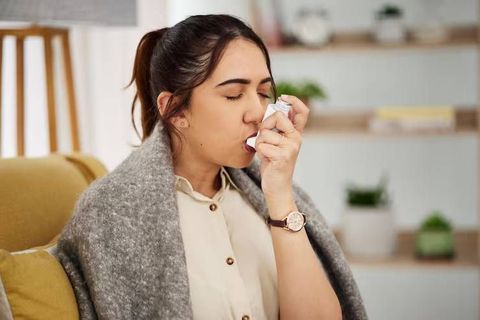
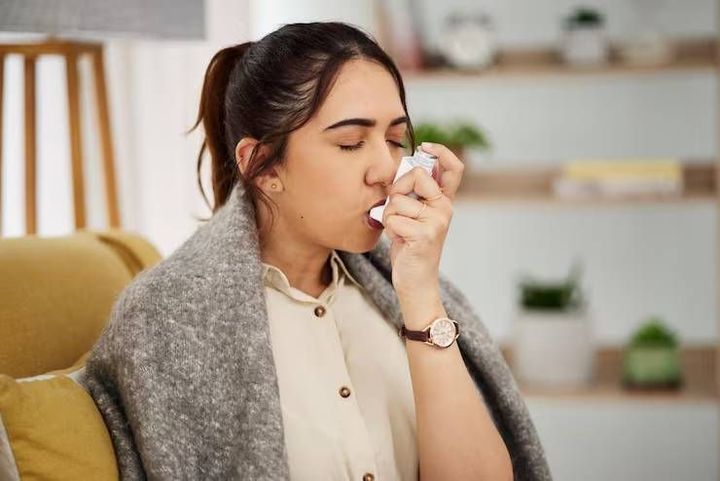
- Using prescribed inhaler therapy correctly
- Following an asthma action plan
- Attending appropriate medical reviews
- Understanding warning signs of severe breathing difficulty
Children, older adults, people exposed to air pollution, and individuals with severe asthma may require particular attention.
Recent Asthma Updates
Asthma guidance continues to change as new evidence becomes available. In May 2026, the Global Initiative for Asthma published its updated 2026 strategy, incorporating recent scientific evidence on asthma management and prevention.
The 2026 update includes developments covering asthma diagnosis, acute asthma, pediatric asthma, and difficult-to-treat or severe asthma. A separate 2026 severe asthma guide was also released in June.
In September 2026, WHO reported that updated asthma guidance for primary care was being developed, with publication planned for early 2027. The organization highlighted patient safety, correct inhaler use, regular symptom review, and appropriate support when symptoms worsen.
These developments show the continuing focus on evidence-based asthma diagnosis, respiratory health, medication safety, and practical long-term asthma management.
Policies and Public Health in India
In India, asthma is addressed within broader chronic respiratory disease and noncommunicable disease programs. The Ministry of Health and Family Welfare's National Programme for Prevention and Control of Non-Communicable Diseases includes asthma and COPD within its respiratory disease framework.
The operational guidance emphasizes early detection, appropriate management, referral when necessary, and continuity of care. It also identifies air pollution, allergens, occupational exposures, tobacco smoke, obesity, and other factors as relevant risks.
India also maintains public-health guidance related to air-pollution-related illnesses. These frameworks are relevant because poor air quality can aggravate respiratory symptoms and create additional challenges for people with asthma.
Useful Asthma Tools and Resources
Several simple tools can support asthma awareness and day-to-day management:
- Peak flow meter: Helps monitor changes in expiratory airflow when recommended by a healthcare professional.
- Symptom diary: Records coughing, wheezing, breathing difficulty, and possible triggers.
- Asthma action plan template: Organizes instructions for routine management and worsening symptoms.
- Inhaler technique checklist: Helps users review important steps for correct device technique.
- Air-quality index dashboard: Helps users understand outdoor pollution conditions.
- Medication reminder: Can support consistent use of prescribed medicines.
These tools complement professional medical advice and should not replace diagnosis or individualized treatment.
Frequently Asked Questions
What are the common symptoms of asthma?
Common symptoms include wheezing, coughing, shortness of breath, and chest tightness. Symptoms may vary from person to person and can change over time.
Can asthma affect children?
Yes. Asthma can affect people of all ages and is the most common chronic disease among children, according to WHO.
What can trigger asthma symptoms?
Possible triggers include tobacco smoke, air pollution, allergens, respiratory infections, exercise, and certain workplace exposures. Individual triggers differ.
Is asthma curable?
Asthma is generally considered a chronic condition rather than a disease with a universal permanent cure. However, appropriate asthma management can control symptoms and help people remain active.
When should someone seek urgent medical attention?
Severe or rapidly worsening breathing difficulty, inability to speak normally because of breathlessness, marked weakness, or symptoms that do not improve according to an established asthma action plan require urgent medical attention.
Conclusion
Asthma is a long-term respiratory condition that requires awareness, appropriate diagnosis, and ongoing management. Understanding symptoms and triggers can help people recognize changes in their breathing and respond appropriately. Recent 2026 guidance continues to emphasize evidence-based asthma care, correct inhaler use, patient safety, and better access to effective management approaches.
Disclaimer
This article is for general educational purposes only. It does not provide a personal diagnosis or replace advice from a qualified healthcare professional. Asthma symptoms can vary considerably, and medication decisions should be made with appropriate clinical guidance.