A Guide to Fire Protection and Alarm Systems for Modern Buildings
Fire safety is a critical aspect of modern building design and management. Whether you're responsible for a commercial property, residential complex, educational institution, or industrial facility, having a robust fire protection and alarm system is not only a legal requirement but a life-saving necessity. Fires can escalate quickly, causing injuries, property damage, business interruptions, and even fatalities.
Thanks to technological advances and smarter regulations, fire safety solutions today are more reliable, integrated, and easier to manage. However, with so many options available, it’s important to understand what systems exist, how they work, and what suits your building's specific needs.
Benefits of Fire Protection and Alarm Systems
Installing a well-designed fire protection and alarm system offers several advantages:
-
Life Safety: Early detection and warning help evacuate occupants safely.
-
Property Protection: Systems can detect and suppress fires before they spread.
-
Code Compliance: Ensures that your building meets local and national fire safety codes.
-
Insurance Benefits: Many insurers provide premium discounts for certified fire safety systems.
-
Operational Continuity: Reduces downtime in commercial or industrial environments.
Limitations to Consider
Despite their benefits, these systems also come with certain limitations:
-
Upfront Cost: Installation of comprehensive systems can be expensive.
-
Maintenance Requirement: Requires regular testing and upkeep.
-
False Alarms: Poorly calibrated systems may trigger unnecessary alarms.
-
Complexity in Integration: Linking with other building management systems can be challenging.
-
User Training: Occupants or staff need training to understand what to do when alarms go off.
Types of Fire Protection and Alarm Systems
Fire protection systems generally fall into two main categories: Active and Passive fire protection.
1. Fire Alarm Systems
These are active systems designed to detect and alert occupants to the presence of fire.
-
Conventional Fire Alarms: Each zone has its own circuit. Ideal for small buildings.
-
Addressable Fire Alarms: Each device has a unique address, allowing precise location identification.
-
Wireless Fire Alarms: No cables required; good for buildings with architectural limitations.
-
Voice Evacuation Systems: Provide spoken evacuation instructions rather than sirens or bells.
2. Fire Suppression Systems
These aim to extinguish or contain fires.
-
Sprinkler Systems: Automatically release water when heat is detected.
-
Gas Suppression Systems: Use gas agents like FM-200 for sensitive environments like server rooms.
-
Foam Suppression Systems: Ideal for flammable liquid areas.
-
Water Mist Systems: Use high-pressure water droplets to suppress fires.
3. Passive Fire Protection
Not systems per se, but materials and design features that prevent fire spread.
-
Fire-rated doors and walls
-
Compartmentation
-
Smoke dampers
-
Fire-resistant coatings
Latest Trends and Innovations
The fire safety industry is evolving rapidly. Some of the notable trends include:
-
Smart Fire Alarm Systems: Integration with IoT and AI to reduce false alarms and enhance responsiveness.
-
Cloud-based Monitoring: Enables remote supervision and alerts via mobile apps or cloud platforms.
-
Integration with Building Management Systems (BMS): Allows centralized control of fire alarms, lighting, HVAC, and security.
-
Environmentally Friendly Suppressants: Focus on clean agents that are less harmful to people and the environment.
-
Wireless Networks and Detectors: Easier installation, especially in historical or aesthetic-sensitive buildings.
-
Fire Drones and Sensors: Used in larger industrial sites to locate and assess fires in real-time.
Key Features to Consider
Before selecting a fire protection or alarm system, look for the following features:
| Feature | Why It Matters |
|---|---|
| Early Detection Capabilities | Reduces response time and potential damage |
| Reliability and Durability | Systems should function in extreme conditions |
| Battery Backup | Ensures operation during power outages |
| Scalable Design | Allows future expansion or building modifications |
| Remote Monitoring | Enables 24/7 surveillance from any location |
| Integration Support | Must work with existing or planned security systems |
| Local Code Compliance | Aligns with regional or national fire safety standards |
| Maintenance Alerts | Notifies when servicing or checks are due |
Top Companies and Solutions (with Public Comparisons)
Here are some well-known fire protection and alarm system providers with publicly available solution details:
| Company | Main Offerings | Website |
|---|---|---|
| Honeywell | Smart fire alarm and voice evacuation systems | www.honeywell.com |
| Siemens | Addressable fire detection and suppression tech | www.buildingtechnologies.siemens.com |
| Johnson Controls | Integrated fire and life safety solutions | www.johnsoncontrols.com |
| Bosch Security | Fire detection systems and BMS integration | www.boschsecurity.com |
| Tyco (Simplex) | Scalable alarms and suppression systems | www.tycosimplex.com |
| Kidde | Residential and light commercial systems | www.kidde.com |
| Edwards (Carrier) | Advanced detection and voice systems | www.edwardsfiresafety.com |
You can compare them based on product range, certification, support services, and compatibility with smart systems.
How to Choose the Right Fire Protection and Alarm System
Here’s a simple checklist to guide your decision:
Fire System Selection Checklist:
-
Is the system compliant with local fire safety regulations?
-
Does it match the size and layout of the building?
-
Is it suitable for the building type (residential, industrial, commercial)?
-
Can it be easily maintained and tested regularly?
-
Is there support for upgrades or future scalability?
-
Are all components certified by recognized fire safety bodies?
-
Are you getting installation and support from trained professionals?
Every building has unique risks and structural layouts. Consider conducting a professional fire risk assessment before making a decision.
Tips for Optimal Use and Maintenance
-
Schedule Regular Testing: Test alarms and suppression systems monthly or quarterly based on regulations.
-
Train Occupants: Educate building users on evacuation procedures and alarm meanings.
-
Keep Logs: Maintain service and testing records for audits or insurance.
-
Avoid Obstructions: Don’t block sprinklers or alarms with furniture or decor.
-
Replace Batteries Promptly: Many alarms will chirp when low on battery; don’t ignore these.
-
Update for Renovations: Modifications to a building may require updates to the fire protection system.
-
Use Professional Services: Hire licensed technicians for inspection and repairs.
Frequently Asked Questions (FAQs)
Q1. What’s the difference between a smoke detector and a fire alarm system?
A smoke detector senses smoke and triggers a local alarm, while a fire alarm system may include multiple detectors, manual call points, control panels, and communication systems to manage larger-scale alerts.
Q2. How often should fire systems be inspected?
Typically, systems should be inspected every 6 months to a year, but this depends on local codes and the system type.
Q3. Are fire alarms required in every room?
Local building codes dictate the placement, but generally, alarms are required in common areas, sleeping areas, hallways, and mechanical rooms.
Q4. Can I install a fire alarm system myself?
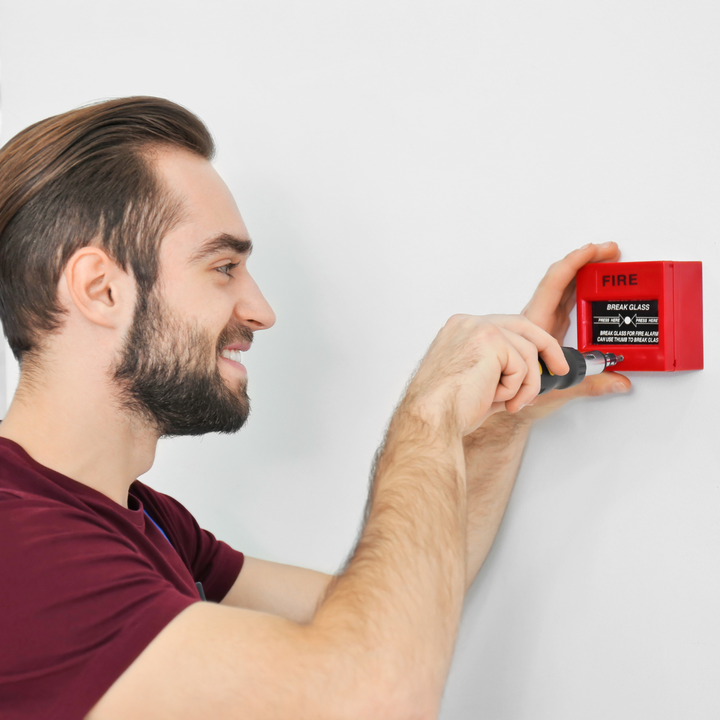
While basic smoke alarms can be DIY-installed, full systems should be handled by certified professionals to ensure compliance and reliability.
Q5. What happens during a fire drill?
A fire drill simulates an emergency to practice evacuation procedures. It helps identify issues in alarm systems or building exits.
Q6. Are wireless fire alarm systems reliable?
Modern wireless systems are quite reliable if maintained properly, though they may be prone to signal interference in dense structures.
Q7. Do fire suppression systems damage property?
Some, like water-based systems, may cause water damage. Others, like gas-based systems, are designed to suppress fires without harming sensitive equipment.
Conclusion: Staying Ahead with Smart Fire Safety
Fire protection is no longer limited to basic alarms or manual fire extinguishers. With the rise of integrated systems and smart building technologies, protecting lives and property is more effective and manageable than ever before.
However, the best fire safety system is one that fits your building’s needs, is regularly maintained, and is supported by informed users. Investing time and effort into choosing and maintaining the right system can make a significant difference in response time and damage control during an emergency.