A Beginner’s Guide to Vegan Nutrition: Essential Foods and Proteins
A beginner’s guide to vegan nutrition helps explain how a plant-based eating pattern can meet daily nutrient needs without using animal-derived foods. Vegan nutrition focuses on foods such as fruits, vegetables, grains, legumes, nuts, and seeds. It excludes meat, dairy, eggs, and other animal products. This approach has roots in ethical, environmental, and health-related choices that have developed over time across different cultures.
Understanding vegan nutrition involves learning how essential nutrients are obtained from plant sources. Protein, iron, calcium, vitamin B12, and omega-3 fatty acids are often discussed because they are commonly associated with animal-based diets. However, these nutrients can also be found in plant-based foods or fortified products.
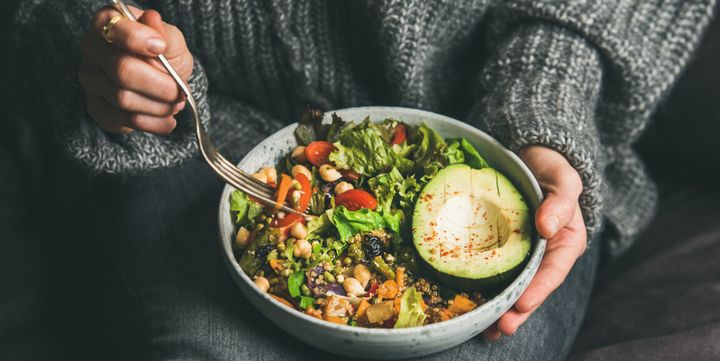
A beginner may find it helpful to explore the variety of vegan protein sources available. Foods like lentils, chickpeas, tofu, and quinoa contribute to protein intake while also providing fiber and other nutrients. By combining different plant foods, individuals can create balanced meals that support overall health.
This guide exists to simplify the basics and help readers understand how vegan nutrition works in everyday life. It aims to provide clear information for those who are curious or considering dietary changes.
Importance
Vegan nutrition has gained attention due to growing awareness of health, environmental concerns, and food sustainability. Many people are exploring plant-based diets as a way to reduce reliance on animal agriculture and to align with personal values.
From a health perspective, vegan diets can support heart health and may help manage body weight when planned carefully. They are often rich in fiber, vitamins, and antioxidants. However, without proper planning, there is a risk of missing certain nutrients, especially vitamin B12, iron, and calcium.
This topic matters because it affects a wide range of individuals, including those transitioning to plant-based eating, families planning balanced meals, and communities interested in sustainable food systems. It also addresses common challenges such as:
- Nutrient balance: ensuring adequate intake of protein, vitamins, and minerals
- Meal planning: understanding how to structure meals with plant-based foods
- Accessibility: finding suitable ingredients in local markets
- Awareness: correcting misconceptions about vegan protein sources
For beginners, understanding essential foods and proteins is key to maintaining a balanced diet. Clear guidance helps reduce confusion and supports informed decisions about food choices.
Recent Updates
In recent years, vegan nutrition has continued to evolve with new research and broader public awareness. There has been increased focus on the quality of plant-based diets rather than simply excluding animal products. Whole foods such as legumes, whole grains, and fresh vegetables are being emphasized over highly processed alternatives.
Food innovation has also expanded the variety of plant-based options available in many regions. Fortified foods, including plant-based milks and cereals, are more widely accessible and often contain nutrients like vitamin B12 and calcium. This helps individuals meet nutritional needs more easily.
Another noticeable trend is the growing interest in plant-based protein diversity. Instead of relying on a few sources, people are incorporating a wider range of foods such as hemp seeds, chia seeds, and fermented soy products. This supports a more varied nutrient intake.
Educational resources, including digital platforms and mobile applications, have improved awareness of vegan nutrition. These tools provide guidance on meal planning, nutrient tracking, and understanding dietary requirements.
Overall, the trend is moving toward balanced and informed plant-based eating rather than restrictive approaches.
Laws or Policies
Vegan nutrition is influenced by food labeling regulations and dietary guidelines set by governments. These rules help ensure that consumers receive accurate information about the foods they consume.
In many countries, packaged foods must display ingredient lists and nutritional information. This allows individuals following vegan nutrition to identify plant-based products and avoid animal-derived ingredients. Labels may also indicate whether a product is suitable for vegan diets, although standards for such labeling can vary.
National dietary guidelines increasingly include plant-based options as part of balanced eating patterns. These guidelines often recommend higher consumption of fruits, vegetables, legumes, and whole grains, which align with vegan nutrition principles.
Food fortification policies also play a role. Some regions encourage or regulate the addition of nutrients such as vitamin B12, vitamin D, and calcium to certain foods. This supports individuals who may have limited access to specific nutrients in a plant-based diet.
Understanding these regulations can help individuals make informed choices and better navigate available food options.
Tools and Resources
Several tools and resources can support individuals learning about vegan nutrition and essential foods. These resources focus on education, planning, and tracking nutrient intake.
Digital nutrition trackers help monitor daily intake of key nutrients. These tools allow users to log meals and check whether they are meeting recommended levels of protein, iron, and vitamins.
Recipe databases provide ideas for balanced plant-based meals. They often categorize dishes by ingredients, preparation time, or nutritional focus, making it easier to plan meals.
Educational websites and public health platforms share information about vegan nutrition, including recommended dietary patterns and nutrient sources. These platforms often include guides on plant-based protein combinations.
Meal planning templates can help beginners organize weekly menus. These templates ensure a variety of foods are included, reducing the risk of nutrient gaps.
Example of Essential Nutrients and Plant Sources
| Nutrient | Plant-Based Sources | Notes |
|---|---|---|
| Protein | Lentils, tofu, chickpeas, quinoa | Combine different sources for variety |
| Iron | Spinach, beans, fortified cereals | Pair with vitamin C for absorption |
| Calcium | Fortified plant milk, sesame seeds, kale | Important for bone health |
| Vitamin B12 | Fortified foods (plant milk, cereals) | Often requires careful attention |
| Omega-3 fats | Chia seeds, flaxseeds, walnuts | Supports heart and brain health |
Using these tools and resources can make it easier to understand how vegan nutrition works in daily life.
FAQs
What are the main vegan protein sources for beginners?
Common vegan protein sources include lentils, chickpeas, tofu, tempeh, beans, quinoa, nuts, and seeds. These foods provide protein along with fiber and other nutrients.
Can vegan nutrition provide enough protein?
Yes, vegan nutrition can provide enough protein when meals include a variety of plant-based foods. Combining legumes, grains, and seeds helps ensure a balanced intake of essential amino acids.
What essential foods should be included in a vegan diet?
Essential foods include fruits, vegetables, whole grains, legumes, nuts, seeds, and fortified products. These foods supply vitamins, minerals, and energy needed for daily activities.
Is vitamin B12 important in a beginner’s guide to vegan nutrition?
Vitamin B12 is important because it is not naturally found in most plant foods. Many individuals rely on fortified foods to meet their needs.
How can beginners plan balanced vegan meals?
Beginners can plan meals by including a source of protein, whole grains, vegetables, and healthy fats in each meal. Using meal planning tools and tracking nutrient intake can help maintain balance.
Conclusion
A beginner’s guide to vegan nutrition highlights how plant-based eating can meet nutritional needs through thoughtful planning. Understanding essential foods and vegan protein sources is central to building balanced meals. With access to educational resources and a variety of plant-based options, individuals can approach vegan nutrition with greater clarity. Awareness of nutrients such as protein, iron, and vitamin B12 supports informed dietary choices.