Website Builders for Small Businesses in 2025: A Comprehensive Guide
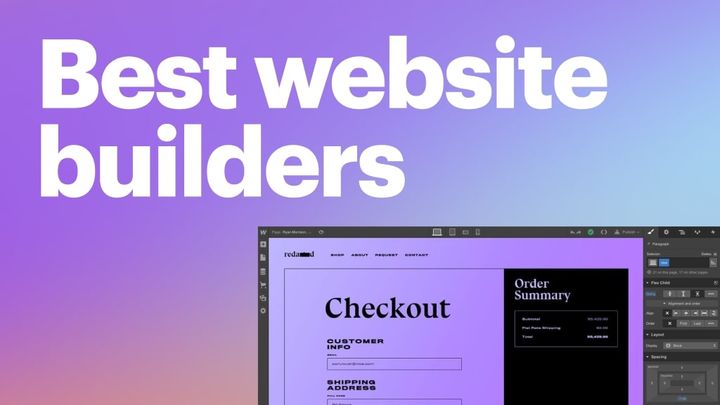
Website builders are online platforms or software tools that allow individuals and businesses to create websites without needing in-depth coding knowledge. They offer a range of features—drag-and-drop editors, templates, built-in hosting, and integration with third-party apps—that simplify the process of designing, launching, and maintaining a website.
They emerged to solve the challenge of making website creation accessible. Before website builders, launching a site often required hiring developers, understanding HTML/CSS, and managing hosting separately. Now, entrepreneurs, bloggers, small business owners, and even large enterprises can build functional websites quickly, often with a minimal learning curve.
Importance – Why They Matter Today, Who They Affect, and What Problems They Solve
Why they matter now
-
Digital presence is essential: A website is often the first point of contact for customers, partners, and stakeholders.
-
Rapid business launches: Startups and small businesses can go online in days instead of weeks or months.
-
Cost efficiency: Avoids the higher upfront expenses of hiring a web development team for simpler projects.
Who they affect
-
Entrepreneurs and freelancers building portfolios, product pages, and blogs.
-
Small and medium businesses (SMBs) seeking affordable online storefronts.
-
Nonprofits and educators who need informational websites.
-
Enterprises using builders for landing pages or quick campaigns.
Problems they solve
-
Accessibility: No advanced coding skills required.
-
Speed: Websites can be created in hours.
-
Integration: Built-in e-commerce, SEO, and analytics tools reduce the need for multiple service providers.
Recent Updates – Trends and Developments in the Past Year
-
AI-powered design assistance (2024–2025): Many leading builders now include AI tools that suggest layouts, generate text, and select images based on a user’s industry.
-
Mobile-first templates: Given that more than 60% of traffic is mobile, new templates are optimized for smaller screens by default.
-
Headless CMS integrations: Advanced builders are offering connections to headless content management systems for greater flexibility.
-
E-commerce expansion: Builders have integrated with more payment providers and shipping APIs to support global selling.
-
Performance enhancements: Core Web Vitals optimization is becoming standard, helping sites rank better in search engines.
Laws or Policies – Compliance and Regulations Affecting Website Builders
Data privacy laws
-
GDPR (Europe) and CCPA (California) require consent management tools for user data collection.
-
Cookie consent banners are now standard features in most builders to meet these requirements.
Accessibility guidelines
-
WCAG (Web Content Accessibility Guidelines): Ensures websites are usable by people with disabilities. Many builders now include accessibility checkers or compliance-ready templates.
E-commerce regulations
-
Compliance with PCI DSS (Payment Card Industry Data Security Standard) is necessary for handling online payments. Builders with e-commerce features integrate compliant payment processors to meet these standards.
Domain registration policies
-
Builders offering domain registration must comply with ICANN rules, including domain ownership verification.
Tools and Resources – Helpful for Website Building
Builder Platforms
-
All-in-one builders: Wix, Squarespace, Weebly, GoDaddy Website Builder.
-
E-commerce-focused builders: Shopify, BigCommerce, Square Online.
-
WordPress-based page builders: Elementor, Divi, Beaver Builder.
Design & Content Tools
-
Image resources: Free stock image libraries integrated into builders (Unsplash, Pexels).
-
SEO tools: Built-in keyword suggestions, meta-tag editors, and site performance reports.
-
Analytics: Google Analytics integrations or built-in traffic dashboards.
Testing and Optimization Tools
-
Accessibility checkers to verify WCAG compliance.
-
Speed test tools for improving loading times.
-
Mobile preview modes to ensure designs work across devices.
Frequently Asked Questions
| Question | Answer |
|---|---|
| Do I need coding skills to use a website builder? | No. Most offer drag-and-drop interfaces, though some allow custom code for advanced customization. |
| Are website builders good for SEO? | Yes, many provide built-in SEO tools, but advanced SEO may require manual adjustments. |
| Can I move my website from one builder to another? | Migration can be difficult due to proprietary formats; some builders offer export options. |
| Are free plans reliable? | They work for basic projects but often have limitations like ads, storage caps, and lack of a custom domain. |
| Is a builder suitable for large businesses? | Yes, for landing pages or smaller projects, but large, complex sites may require custom development. |
Conclusion
Website builders have transformed the way individuals and businesses establish an online presence. They simplify design, reduce technical barriers, and offer built-in tools that cover everything from hosting to e-commerce.
The market is evolving toward AI-assisted design, global e-commerce capabilities, and compliance with privacy and accessibility laws. With a variety of tools and platforms available, users can choose a builder that aligns with their goals, budget, and technical skill level.
For businesses and individuals alike, understanding these tools—how they work, the regulations they follow, and the trends shaping them—can lead to better, more strategic choices in building a digital footprint.