Water Treatment Chemicals for Industrial Plants: Overview and Applications
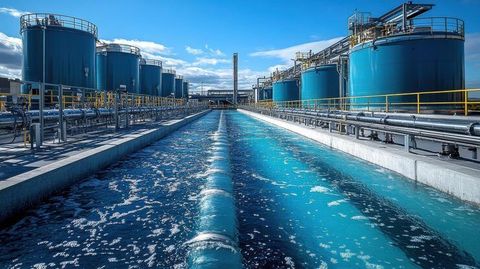
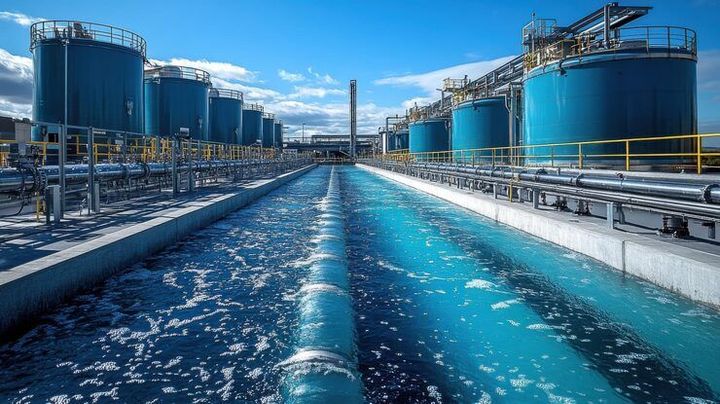
Water is a critical resource in industrial operations, used for cooling, processing, cleaning, and energy generation. However, raw water often contains impurities such as suspended solids, dissolved minerals, microorganisms, and organic matter. These contaminants can damage equipment, reduce efficiency, and affect product quality.
To address these challenges, industrial facilities rely on water treatment chemicals to condition, purify, and manage water systems. These chemicals are designed to remove unwanted substances, prevent scaling and corrosion, and control biological growth in water systems.
Water treatment processes vary depending on the industry, such as power generation, manufacturing, pharmaceuticals, food processing, and petrochemicals. Each application requires specific chemical formulations to ensure water meets operational and environmental standards.
Importance
Water treatment chemicals play a vital role in maintaining efficient and safe industrial operations. Without proper treatment, water systems can face issues like scaling, corrosion, fouling, and microbial contamination. These problems can lead to equipment failure, downtime, and increased maintenance costs.
Industries that depend heavily on water, such as thermal power plants and chemical manufacturing units, are particularly affected. For example, untreated water in boilers can cause scale buildup, reducing heat transfer efficiency and increasing energy consumption.
The use of treatment chemicals helps solve several key problems:
- Scaling prevention: Reduces mineral deposits in pipes and heat exchangers
- Corrosion control: Protects metal surfaces from chemical reactions
- Microbial control: Prevents biofilm formation and bacterial growth
- Water reuse and recycling: Supports sustainable water management
In addition, increasing concerns about water scarcity and environmental impact have made efficient water treatment more important. Industries are now focusing on reducing water usage and improving wastewater treatment before discharge.
Recent Updates
In the past year, several trends and developments have influenced the use of water treatment chemicals in industrial settings.
Shift Toward Sustainable Chemicals (2025)
There has been a growing emphasis on environmentally friendly and biodegradable chemicals. Industries are gradually replacing traditional formulations with low-toxicity alternatives to meet stricter environmental standards.
Increased Adoption of Smart Monitoring Systems (2024–2026)
Digital tools and sensors are being integrated with chemical dosing systems. These systems allow real-time monitoring of water quality parameters such as pH, conductivity, and turbidity, improving the efficiency of chemical usage.
Expansion of Zero Liquid Discharge Systems (2025)
Many industrial plants are adopting zero liquid discharge (ZLD) systems, which require advanced chemical treatment processes to recycle and reuse water completely.
Regulatory Tightening on Industrial Effluents (2024–2025)
Governments in several countries, including India, have introduced stricter discharge limits for industrial wastewater. This has increased the demand for advanced treatment chemicals such as coagulants, flocculants, and biocides.
Laws or Policies
Water treatment practices in industrial plants are governed by environmental laws and regulations. These rules aim to control pollution, ensure safe discharge of wastewater, and promote sustainable water use.
In India, key regulations include:
- Water (Prevention and Control of Pollution) Act, 1974: Regulates the discharge of pollutants into water bodies and requires industries to treat wastewater before release
- Environment Protection Act, 1986: Provides a framework for environmental protection and sets standards for effluent quality
- Central Pollution Control Board (CPCB) Guidelines: Establish limits for parameters such as chemical oxygen demand (COD), biological oxygen demand (BOD), and total dissolved solids (TDS)
Industries must regularly monitor water quality and maintain compliance with these standards. Non-compliance can lead to penalties, operational restrictions, or shutdowns.
Government initiatives also encourage water conservation and reuse, pushing industries to adopt advanced treatment technologies and efficient chemical usage.
Tools and Resources
Several tools and resources help industries manage water treatment processes effectively. These include digital platforms, testing kits, and calculation tools.
Common Tools Used in Industrial Water Treatment
| Tool Type | Purpose |
|---|---|
| Water Testing Kits | Measure parameters like pH, hardness, alkalinity, and turbidity |
| Chemical Dosing Systems | Control the precise addition of treatment chemicals |
| Monitoring Sensors | Provide real-time data on water quality |
| Software Platforms | Analyze trends and optimize chemical usage |
| Filtration Systems | Remove suspended solids and contaminants |
Example of Water Treatment Chemical Categories
| Chemical Type | Function | Common Applications |
|---|---|---|
| Coagulants | Remove suspended particles | Wastewater treatment |
| Flocculants | Enhance particle aggregation | Clarification processes |
| Biocides | Control microbial growth | Cooling towers |
| Corrosion Inhibitors | Protect metal surfaces | Boilers and pipelines |
| Scale Inhibitors | Prevent mineral deposits | Heat exchangers |
These tools and chemicals work together to ensure efficient water treatment and system reliability.
FAQs
What are water treatment chemicals used for in industries?
Water treatment chemicals are used to remove impurities, prevent scaling and corrosion, and control microbial growth in industrial water systems. They help maintain efficiency and protect equipment.
Which industries use water treatment chemicals the most?
Industries such as power generation, oil and gas, manufacturing, pharmaceuticals, and food processing rely heavily on water treatment chemicals due to their high water usage.
Are water treatment chemicals harmful to the environment?
Some traditional chemicals can have environmental impacts if not managed properly. However, many industries are now using eco-friendly and biodegradable alternatives to reduce risks.
How do industries choose the right water treatment chemicals?
The selection depends on water quality, application type, and system requirements. Factors such as pH, hardness, and contamination levels are considered during the selection process.
What is the role of water treatment in sustainability?
Water treatment supports sustainability by enabling water reuse, reducing waste discharge, and conserving natural water resources. It also helps industries comply with environmental regulations.
Conclusion
Water treatment chemicals are essential for maintaining the efficiency, safety, and sustainability of industrial operations. By addressing challenges such as scaling, corrosion, and contamination, these chemicals help ensure smooth functioning of water systems across various industries.
With increasing environmental awareness and stricter regulations, the role of advanced and eco-friendly treatment solutions is becoming more significant. Industries are adopting smarter technologies and sustainable practices to optimize water usage and minimize environmental impact.