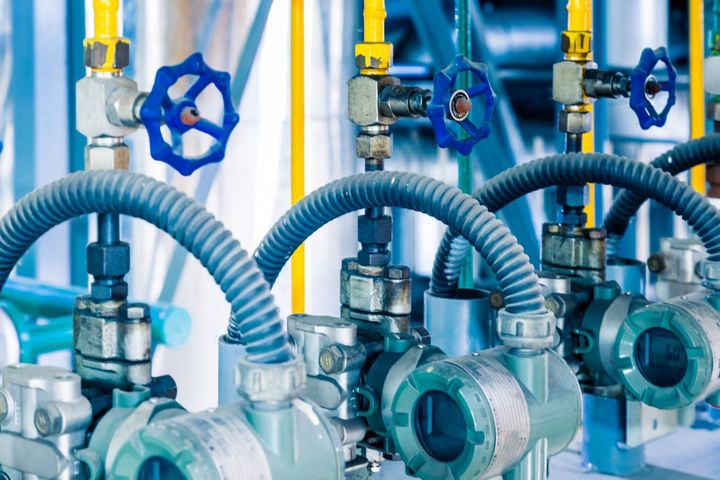
Water Pressure Systems Guide: Understanding Pumps, Tanks, and Pressure Control Basics
Water pressure systems are designed to maintain consistent water flow and pressure across residential, commercial, and industrial plumbing networks. These systems ensure that water travels efficiently through pipes and reaches fixtures such as faucets, showers, irrigation systems, and industrial equipment.
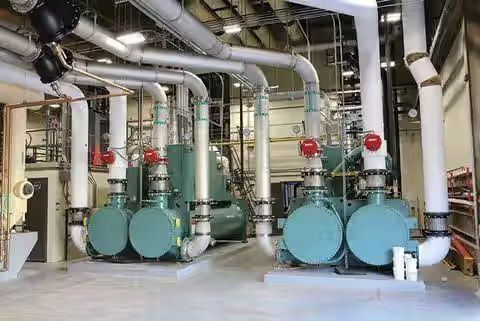
In many buildings, natural water pressure from municipal supply lines is not always sufficient to distribute water evenly across multiple floors or large facilities. Water pressure systems solve this challenge by using pumps, pressure tanks, controllers, and valves that regulate and stabilize the flow.
A basic water pressure system works by detecting pressure levels within a pipeline. When the pressure drops below a predefined level, a pump activates to increase pressure. When the desired level is reached, the system stabilizes or stops pumping to maintain efficiency and prevent pipe damage.
Modern water pressure systems are commonly used in:
| Application Area | Purpose |
|---|---|
| Residential Buildings | Ensure stable water supply across multiple floors |
| Commercial Facilities | Maintain consistent water pressure for plumbing systems |
| Industrial Plants | Support manufacturing processes and cooling systems |
| Agricultural Irrigation | Deliver water evenly across irrigation networks |
| Municipal Infrastructure | Support water distribution across neighborhoods |
These systems are essential components of modern water infrastructure and help maintain reliable access to water in buildings and communities.
Importance – Why Water Pressure Systems Matter Today
Water pressure management has become increasingly important as urban infrastructure grows more complex. Large buildings, smart homes, and automated irrigation systems require stable and controlled water flow to function efficiently.
Without proper pressure control, several problems may occur:
| Pressure Issue | Possible Result |
|---|---|
| Low Pressure | Weak water flow in taps and appliances |
| High Pressure | Pipe damage, leaks, and appliance wear |
| Pressure Fluctuations | Inconsistent water supply and system inefficiency |
Water pressure systems help prevent these issues by maintaining optimal pressure levels. This ensures better water distribution, reduces pipe stress, and improves the performance of appliances such as washing machines, dishwashers, and water heaters.
In urban areas, high-rise buildings rely heavily on booster pump systems to deliver water to upper floors. Hospitals, hotels, and commercial complexes also depend on precise pressure control to support sanitation, safety, and operational requirements.
Another important aspect is water conservation. Efficient pressure regulation helps prevent unnecessary water loss caused by pipe bursts or leaks. According to infrastructure studies published between 2023 and 2024, pressure management can significantly reduce water loss in municipal networks.
As cities expand and water resources become more carefully managed, pressure systems play a critical role in maintaining reliable water infrastructure.
Recent Updates – Trends in Water Pressure Technology
Over the past year, several advancements have improved the efficiency and monitoring capabilities of water pressure systems. Technological developments in sensors, automation, and energy-efficient pumps are changing how these systems operate.
Smart Monitoring Systems (2024–2025)
Modern pressure systems increasingly include digital sensors and cloud monitoring tools. These allow engineers and facility managers to track pressure levels in real time and detect leaks or pressure drops quickly.
Smart monitoring technologies can send alerts when pressure falls outside safe ranges, helping reduce downtime and maintenance challenges.
Variable Speed Pump Technology
Variable speed pumps are becoming more common in modern installations. Instead of operating at a fixed speed, these pumps automatically adjust their power output based on water demand.
Benefits include:
- Reduced energy consumption
- Improved pressure stability
- Less mechanical stress on pipes
Studies published in infrastructure technology reports in 2024 highlight that variable speed pump systems can significantly improve energy efficiency compared with traditional constant-speed systems.
Integration with Building Management Systems
Large facilities are now integrating water pressure systems with digital building management platforms. These platforms allow centralized monitoring of HVAC systems, energy consumption, lighting, and water infrastructure.
Integration allows engineers to analyze pressure performance alongside other building systems, improving overall operational efficiency.
Laws and Policies Affecting Water Pressure Systems
Water infrastructure and pressure systems are influenced by building codes, plumbing regulations, and safety standards. These regulations help ensure that systems operate safely and do not cause damage to public or private infrastructure.
In many countries, plumbing codes specify maximum allowable water pressure levels for residential and commercial buildings. These limits help protect pipes, valves, and fixtures from excessive pressure.
Common regulatory areas include:
| Regulation Area | Purpose |
|---|---|
| Plumbing Codes | Define safe pressure limits and pipe standards |
| Building Safety Regulations | Ensure water systems meet structural and safety guidelines |
| Energy Efficiency Programs | Encourage use of efficient pump technology |
| Water Conservation Policies | Promote efficient distribution and reduced leakage |
In India, water infrastructure projects are influenced by national initiatives focused on improving water supply systems and reducing water losses in distribution networks.
For example, government water management programs emphasize improved monitoring and infrastructure upgrades to maintain stable water supply in growing urban areas.
Building authorities and engineering organizations also publish technical standards that guide the installation and maintenance of pressure control equipment.
These regulations ensure that water pressure systems operate safely and contribute to sustainable water management practices.
Tools and Resources for Understanding Water Pressure Systems
Several digital tools and technical resources help engineers, facility managers, and learners understand how pressure systems function and how they should be configured.
These tools are useful for planning, monitoring, and educational purposes.
| Tool Type | Purpose |
|---|---|
| Pressure Calculators | Estimate required pump capacity and pressure levels |
| Pump Selection Software | Assist in choosing suitable pump types |
| Pipe Flow Calculators | Determine water flow rates and pressure loss |
| Leak Detection Platforms | Identify pressure drops caused by leaks |
| Infrastructure Monitoring Dashboards | Track system performance in real time |
Educational resources are also widely available through engineering institutes and water infrastructure research organizations. These resources include technical manuals, engineering guides, and system design templates.
Many universities and professional engineering associations provide open knowledge materials explaining water distribution systems, pump technologies, and hydraulic design principles.
These tools and learning materials help improve understanding of water pressure systems and support effective planning and maintenance.
FAQs About Water Pressure Systems
What is the main purpose of a water pressure system?
A water pressure system maintains consistent water flow across plumbing networks. It ensures that water reaches all fixtures and equipment with adequate pressure, even in large buildings or multi-floor structures.
What components are included in a typical pressure system?
Most systems include pumps, pressure tanks, pressure switches, valves, sensors, and controllers. These components work together to regulate water pressure and prevent fluctuations.
Why does water pressure sometimes fluctuate in buildings?
Pressure fluctuations can occur due to pipe leaks, pump issues, high water demand, or inadequate pressure control equipment. Proper monitoring and system design help prevent these problems.
Are modern water pressure systems energy efficient?
Many modern systems use variable speed pumps and digital monitoring technologies that improve efficiency by adjusting pump output based on demand.
How are pressure systems monitored today?
Modern systems often include sensors and digital dashboards that track pressure levels in real time. These monitoring tools help detect problems early and maintain system stability.
Conclusion
Water pressure systems are essential components of modern water infrastructure. They help maintain stable water flow across residential, commercial, and industrial environments by regulating pressure levels within pipelines.
As buildings grow taller and infrastructure becomes more advanced, reliable pressure control becomes increasingly important. These systems prevent pipe damage, improve appliance performance, and support efficient water distribution.
Recent developments such as smart monitoring sensors, variable speed pumps, and digital building management integration are improving the efficiency and reliability of pressure systems. These innovations allow engineers and facility managers to monitor performance and respond quickly to potential issues.
Regulations and plumbing standards also play a key role in ensuring that water pressure systems operate safely and support sustainable water management.
Understanding the components, technology trends, and regulatory considerations behind these systems helps individuals and organizations maintain reliable water infrastructure for the future.