Vietnam Rice Terrace Villages Overview With Sapa, Mu Cang Chai, and Village Details
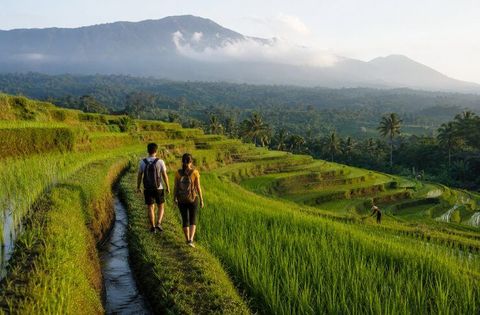
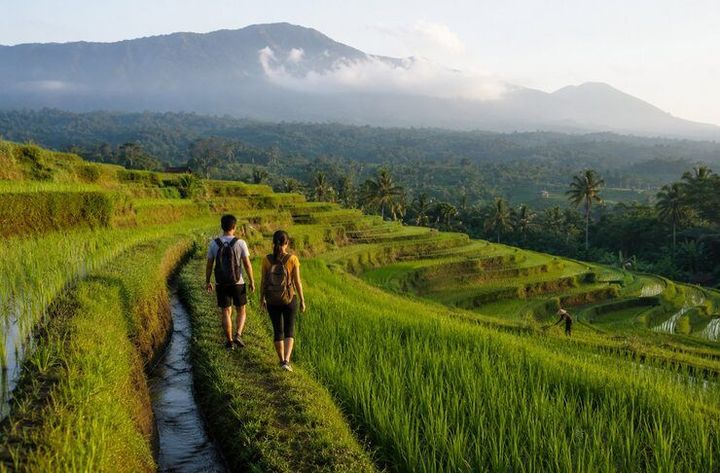
Vietnam rice terrace villages are mountain communities where generations of farmers have shaped hillsides into stepped fields for rice cultivation. These landscapes are especially associated with northern Vietnam, where steep terrain and seasonal rainfall influenced traditional farming methods.
Sapa and Mu Cang Chai are two widely recognized areas for exploring rice terraces, while numerous smaller villages provide additional views of mountain agriculture and local culture.
Rice terraces allow farmers to cultivate slopes that would otherwise be difficult to use for conventional fields. Stone, soil, water channels, and carefully formed embankments help create level sections across hillsides. Water can move gradually from higher terraces toward lower areas, supporting rice cultivation during appropriate growing periods.
The villages surrounding these landscapes are home to diverse ethnic communities, including Hmong, Dao, Tay, Thai, and other groups. Each community has its own traditions, clothing styles, agricultural practices, architecture, food customs, and cultural history.
Travel through northern Vietnam can therefore combine landscape observation with an understanding of rural life. Visitors may encounter narrow mountain roads, footpaths, streams, forests, farms, village houses, local markets, and agricultural activities alongside the terraces.
Sapa and Its Rice Terrace Landscape
Sapa is a mountain town in Lao Cai Province surrounded by valleys and highland communities. The wider Sapa area includes several villages where rice terraces cover hillsides around streams, roads, and walking routes.
Villages such as Lao Chai, Ta Van, and Ta Phin are associated with different cultural communities and mountain landscapes. The terrain around these settlements changes considerably with elevation, creating a mixture of terraces, forested slopes, homes, and agricultural areas.
The appearance of Sapa rice terraces changes according to the agricultural cycle. Water-filled terraces can reflect the sky during preparation periods, while growing rice produces shades of green. Near harvest, many fields develop golden or yellow tones.
Mu Cang Chai and Mountain Villages
Mu Cang Chai is a mountainous district in Yen Bai Province known for extensive terraced fields. The landscape includes steep valleys and slopes where rice cultivation has shaped the terrain over many generations.
Villages and farming areas around Mu Cang Chai provide a different setting from Sapa. The landscape is more rural and spread across mountain valleys, with terraces extending along steep slopes.
The area is closely associated with Hmong communities and traditional agricultural practices. Local houses, footpaths, streams, and farming areas form part of the wider cultural landscape.
Other Rice Terrace Areas
Northern Vietnam contains many other mountain communities with terraced fields. Hoang Su Phi in Ha Giang Province is another recognized rice terrace region, while areas around Y Ty and Bat Xat contain highland villages and agricultural landscapes.
Each destination has different road conditions, elevations, village structures, and seasonal characteristics. This creates considerable variation even among locations that are all associated with rice terraces.
Importance
Vietnam rice terrace villages are important from agricultural, cultural, environmental, and tourism perspectives. The terraces represent practical adaptations to mountainous terrain rather than simply decorative landscapes.
For rural communities, rice cultivation can remain connected with household food production, local traditions, and seasonal routines. The terraces also demonstrate how agricultural knowledge can be adapted to steep landscapes and changing water conditions.
Cultural Importance
Northern Vietnam is home to numerous ethnic communities with distinctive cultural traditions. Clothing, language, architecture, farming methods, festivals, handicrafts, and food traditions can vary between neighboring villages.
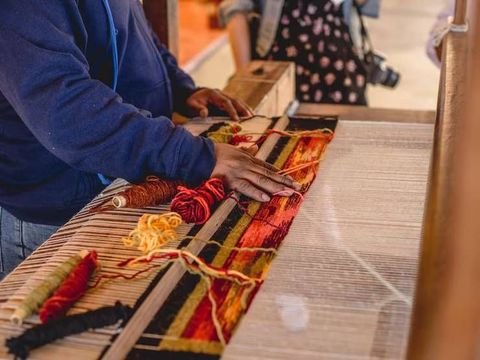
Visitors may encounter traditional wooden or earthen houses, communal areas, small farms, weaving activities, livestock, and local agricultural practices. These experiences should be understood in their cultural context rather than viewed only as scenery.
Cultural tourism can also create additional sources of income for rural communities when activities are organized in ways that respect local traditions and community preferences.
Agricultural Importance
Rice terraces require ongoing maintenance. Farmers may need to repair terrace walls, manage irrigation channels, prepare fields, transplant rice, remove weeds, and harvest crops according to seasonal conditions.
The terrace system depends on careful water management. Higher fields can supply water to lower fields through channels and natural drainage routes. Maintaining these connections is an important part of mountain agriculture.
Environmental Importance
Terraced landscapes can influence water movement and soil management on steep slopes. Vegetation surrounding agricultural areas can also contribute to the wider mountain environment.
However, mountain ecosystems can be sensitive to road construction, uncontrolled development, erosion, waste, and excessive visitor activity. Responsible travel practices are therefore relevant to maintaining the character of these rural areas.
Seasonal Landscape Changes
The appearance of Vietnamese rice terraces changes throughout the agricultural cycle. A simplified overview is shown below:
| Agricultural Period | Typical Landscape | Travel Interest |
|---|---|---|
| Field Preparation | Wet or partially flooded terraces | Reflections and farming activity |
| Planting | Young green rice | Fresh vegetation |
| Growing Season | Expanding green terraces | Mountain landscapes |
| Ripening | Green changing toward yellow | Agricultural scenery |
| Harvest | Golden or harvested fields | Farming and village activity |
| Post-Harvest | Brown or partially empty terraces | Rural landscape views |
Exact timing can vary according to elevation, rainfall, local farming practices, and annual weather conditions.
Recent Updates
From 2024 through 2026, tourism around northern Vietnam's mountain landscapes has continued to develop alongside broader interest in nature travel, cultural experiences, walking routes, and rural destinations. The general direction has been toward combining scenic travel with village experiences rather than focusing only on major urban destinations.
Sustainable Tourism
Sustainable tourism has become increasingly relevant in mountain destinations. Local communities, accommodation providers, transportation operators, and tourism authorities face the challenge of accommodating visitors while protecting landscapes and cultural environments.
Practical approaches can include limiting waste, respecting agricultural areas, maintaining walking routes, protecting water sources, and encouraging visitors to follow local guidance.
Community-Based Experiences
Village-based tourism continues to provide opportunities for travelers to experience local food, architecture, farming landscapes, crafts, and everyday rural environments. Homestay-style accommodation can provide a closer connection with village life than conventional urban accommodation.
Community participation is important because local residents are the custodians of many cultural traditions and agricultural landscapes. Tourism activities are more meaningful when they respect local decision-making and cultural boundaries.
Improved Travel Access
Road improvements and expanding transportation options have made some northern mountain destinations easier to reach than in earlier periods. At the same time, mountainous routes can remain affected by weather, landslides, road conditions, and seasonal accessibility.
Digital maps and travel-planning tools have also become increasingly useful for understanding distances, walking routes, transportation connections, and accommodation locations.
Changing Travel Interests
Travelers increasingly combine scenic photography with walking, food experiences, cultural learning, and rural exploration. This has expanded interest beyond a single viewpoint or town and toward longer journeys through multiple villages.
This pattern can distribute visitor activity across different locations, although popular areas can still experience periods of concentrated visitor numbers.
Laws or Policies
Travel in Vietnam's rural mountain regions is shaped by national tourism regulations, local administrative requirements, environmental rules, cultural protections, transportation regulations, and land-use policies.
Tourism and Local Regulations
Visitors are expected to follow Vietnamese entry requirements and local rules applicable to the destinations they visit. Requirements can vary depending on nationality, travel arrangements, accommodation, and location.
Some culturally significant locations may have specific rules concerning photography, clothing, behavior, access, or participation in local activities. Visitors should follow instructions provided by local authorities or community representatives.
Environmental Protection
Mountain destinations can be vulnerable to litter, water contamination, erosion, and uncontrolled construction. Environmental regulations and local initiatives may address waste management, land use, protected areas, and conservation.
Visitors can support responsible travel by keeping waste contained, avoiding damage to crops or terrace walls, remaining on appropriate paths, and respecting natural water sources.
Cultural Respect
Rice terrace villages are working communities rather than outdoor exhibitions. Agricultural land may be privately managed or actively cultivated, and visitors should not enter fields without appropriate permission.
Photography involving local residents should also be approached respectfully. Religious spaces, ceremonies, homes, and community activities may have specific cultural expectations.
Tools and Resources
Planning a journey through Vietnam rice terrace villages can involve maps, weather information, transportation schedules, walking-route applications, accommodation platforms, translation tools, and travel-planning software.
Digital maps are particularly useful in mountain areas because distances can be misleading when roads follow steep valleys and winding routes. A location that appears close on a map may require considerably more travel time.
Weather applications can help travelers understand rainfall, temperature, cloud conditions, and seasonal changes. Mountain weather can shift quickly, so conditions should be considered when planning walking activities.
Useful planning resources include:
Digital maps and navigation applications
Weather forecasting platforms
Transportation planning tools
Travel itinerary planners
Walking-route applications
Translation applications
Accommodation comparison platforms
Packing checklists
Cultural etiquette guides
Agricultural season calendars
Local tourism information centers
Photography planning tools
A simple destination comparison is shown below:
| Destination | Main Characteristic | Landscape | Cultural Interest |
|---|---|---|---|
| Sapa | Mountain town and surrounding villages | Valleys and terraces | Hmong, Dao, Tay communities |
| Mu Cang Chai | Rural mountain district | Extensive hillside terraces | Hmong communities |
| Hoang Su Phi | Highland agricultural area | Steep terraced slopes | Local ethnic communities |
| Y Ty | Remote highland setting | Mountain valleys and fields | Highland village traditions |
| Bat Xat | Mountain and valley landscapes | Terraces, forests, valleys | Diverse rural communities |
Travel planning should also account for transportation time, walking difficulty, accommodation location, weather, and seasonal agricultural activity.
FAQs
What are Vietnam rice terrace villages?
Vietnam rice terrace villages are mountain communities surrounded by stepped agricultural fields created for rice cultivation. Many are located in northern Vietnam and are associated with ethnic communities and traditional farming practices.
What are the main rice terrace villages around Sapa?
Villages such as Lao Chai, Ta Van, and Ta Phin are among the communities associated with the wider Sapa mountain landscape. Their scenery, cultural traditions, and walking routes vary.
Why is Mu Cang Chai known for rice terraces?
Mu Cang Chai is a mountainous district where extensive terraced fields have been developed across steep slopes. Hmong agricultural traditions are closely connected with the landscape.
When do Vietnam rice terraces change color?
The appearance changes according to the farming cycle. Fields can appear flooded during preparation, green during crop growth, golden as rice ripens, and more subdued after harvesting. Timing varies by location, elevation, weather, and farming practices.
What should visitors know before visiting rice terrace villages?
Visitors should consider weather, mountain transportation, walking conditions, agricultural activity, local customs, and environmental protection. Rice fields are working agricultural areas, so visitors should respect crops, private land, homes, and community rules.
Conclusion
Vietnam rice terrace villages combine mountain agriculture, cultural traditions, rural communities, and distinctive landscapes. Sapa and Mu Cang Chai are important destinations within a broader network of highland villages and farming regions across northern Vietnam. Seasonal changes create different appearances as fields move from preparation and planting through growth and harvest. Responsible travel involves respecting local communities, agricultural land, cultural practices, and the natural mountain environment.