Unlocking the Potential: A Comprehensive Guide to Bauxite
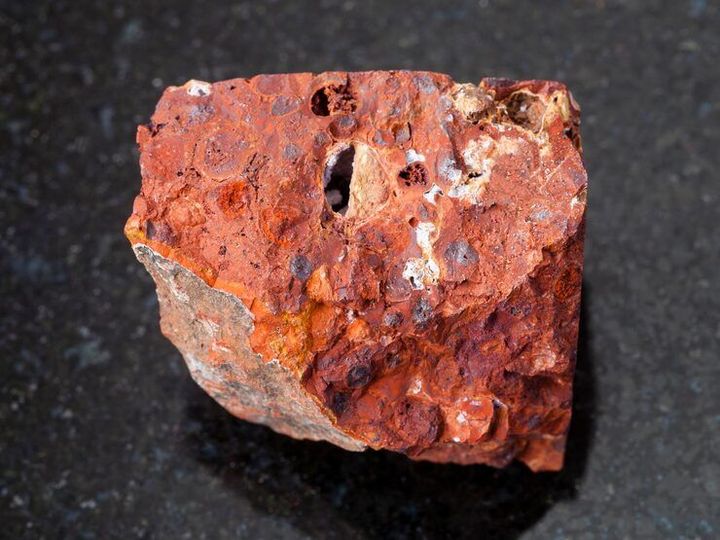
Bauxite is a naturally occurring rock that serves as the primary source of aluminum, one of the most widely used metals in the world. Found mainly in tropical and subtropical regions, bauxite forms through the weathering of rocks rich in aluminum minerals over long periods. This process removes soluble elements and leaves behind a concentration of aluminum oxides and hydroxides.
The term “bauxite” refers to a mixture of minerals rather than a single substance. Common components include gibbsite, boehmite, and diaspore, along with iron oxides that give the rock its reddish color. Deposits are typically located near the Earth’s surface, making extraction relatively straightforward compared to deeper mineral resources.
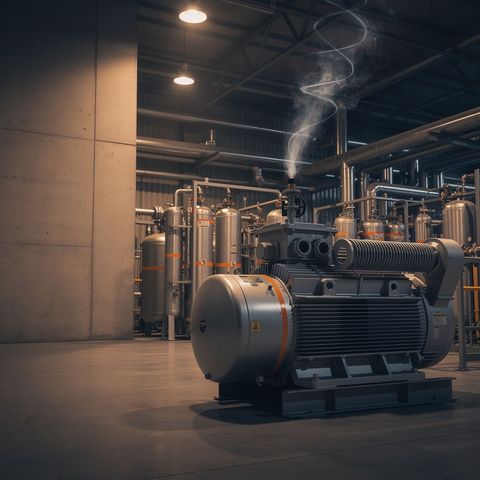
The journey from bauxite to usable aluminum involves several stages. First, the ore is mined, then refined into alumina using chemical processes, and finally transformed into aluminum metal through electrolysis. This chain of steps has made bauxite an essential part of modern industry and infrastructure.
Importance
Bauxite plays a central role in everyday life because aluminum is used in a wide range of applications. From packaging materials and transportation to construction and electronics, aluminum is valued for its lightweight, strength, and resistance to corrosion.
Several key areas highlight the importance of bauxite:
- Transportation: Aluminum derived from bauxite is used in cars, trains, and aircraft to reduce weight and improve energy efficiency.
- Construction: Window frames, roofing, and structural components often rely on aluminum for durability and low maintenance.
- Packaging: Beverage cans and food containers depend on aluminum for preservation and recyclability.
- Electrical systems: Aluminum is used in power lines due to its conductivity and lighter weight compared to other metals.
Bauxite mining and processing also support regional economies, particularly in countries with large reserves. However, these activities can bring environmental challenges, including land disturbance, water usage, and waste generation. As a result, balancing economic benefits with environmental responsibility has become an important focus.
Recent Updates
In recent years, the bauxite and aluminum industry has experienced several notable trends shaped by technological, environmental, and economic factors.
One major development is the increased focus on sustainable mining practices. Companies and governments are working to reduce environmental impacts through land rehabilitation, improved waste management, and more efficient water use. Efforts to restore mined areas to natural or productive states are becoming more common.
Another trend involves advancements in refining technologies. Research is exploring ways to reduce energy consumption and emissions during the conversion of bauxite to alumina and aluminum. These improvements aim to make the process more efficient while lowering its environmental footprint.
Global demand for aluminum continues to grow due to its role in renewable energy systems, such as solar panel frames and wind turbine components. This demand has encouraged exploration of new bauxite deposits and the optimization of existing mining operations.
Digital tools are also being adopted in mining and processing. Automation, data analysis, and remote monitoring are helping improve efficiency and safety across the supply chain.
Laws or Policies
The extraction and processing of bauxite are regulated by various laws and policies to ensure environmental protection and responsible resource management. In countries like India, mining activities are governed by frameworks such as the Mines and Minerals (Development and Regulation) Act.
Environmental regulations require mining operators to conduct impact assessments before starting operations. These assessments evaluate potential effects on land, water, air quality, and local communities. Based on the findings, mitigation measures must be implemented.
Rehabilitation policies play an important role in ensuring that mined land is restored after extraction. This may involve replanting vegetation, stabilizing soil, and managing waste materials. Monitoring and compliance checks are often carried out by regulatory authorities.
In addition, policies related to forest conservation and tribal rights may apply when bauxite deposits are located in sensitive areas. These rules aim to protect biodiversity and ensure that local communities are consulted and considered in decision-making processes.
Tools and Resources
Understanding and working with bauxite involves a range of tools and resources that support exploration, extraction, and analysis.
Geological mapping tools help identify potential bauxite deposits by analyzing soil composition and rock formations. Satellite imagery and geographic information systems (GIS) are widely used to study large areas and detect patterns associated with mineral presence.
Laboratory analysis techniques are essential for determining the quality of bauxite. Methods such as X-ray fluorescence (XRF) and chemical assays provide detailed information about mineral content and composition.
In the refining stage, process simulation software is used to model the conversion of bauxite into alumina. These tools help engineers optimize efficiency and reduce waste.
Educational platforms, research publications, and government portals provide valuable information on bauxite resources, mining practices, and environmental guidelines. These resources support students, researchers, and industry professionals in understanding the material and its applications.
Sample Data on Major Bauxite-Producing Regions
| Region | Key Characteristics | Common Uses of Output |
|---|---|---|
| Australia | Large reserves, surface deposits | Aluminum production |
| Guinea | High-grade ore, expanding mining | Export and refining |
| India | Diverse deposits, regulated mining | Domestic and industrial use |
| Brazil | Integrated mining and refining | Construction and packaging |
| China | Significant consumption and imports | Manufacturing and electronics |
FAQs
What is bauxite and how is it formed?
Bauxite is a sedimentary rock rich in aluminum minerals. It forms through the weathering of rocks in warm climates, where rainwater removes soluble elements and leaves behind aluminum-rich compounds.
Why is bauxite important for aluminum production?
Bauxite is the main raw material used to produce alumina, which is then processed into aluminum. Without bauxite, large-scale aluminum production would not be possible.
Where are the largest bauxite deposits found?
Major bauxite deposits are located in countries such as Australia, Guinea, Brazil, India, and parts of Southeast Asia. These regions have the climate and geological conditions needed for bauxite formation.
What are the environmental impacts of bauxite mining?
Bauxite mining can affect land, water, and ecosystems. Common concerns include deforestation, soil erosion, and waste generation. Regulations and rehabilitation efforts aim to reduce these impacts.
How is bauxite refined into aluminum?
The refining process involves converting bauxite into alumina using a chemical method, followed by electrolysis to produce aluminum metal. This multi-step process requires energy and specialized equipment.
Conclusion
Bauxite is a key natural resource that supports the production of aluminum, a material widely used in modern life. Its formation, extraction, and processing involve a combination of natural processes and industrial techniques. While it contributes to economic development and technological progress, it also raises environmental considerations that require careful management. Ongoing advancements in technology and regulation continue to shape how bauxite is used and understood.