Understanding Polishing Machines: A Comprehensive Guide
Polishing machines are tools designed to smooth, refine, and enhance the surface of different materials. They are commonly used on metals, wood, glass, stone, and even plastics. The basic idea behind polishing is simple: remove small surface imperfections to create a cleaner and more uniform finish. This process has been practiced for centuries, evolving from manual rubbing techniques to advanced mechanical systems.
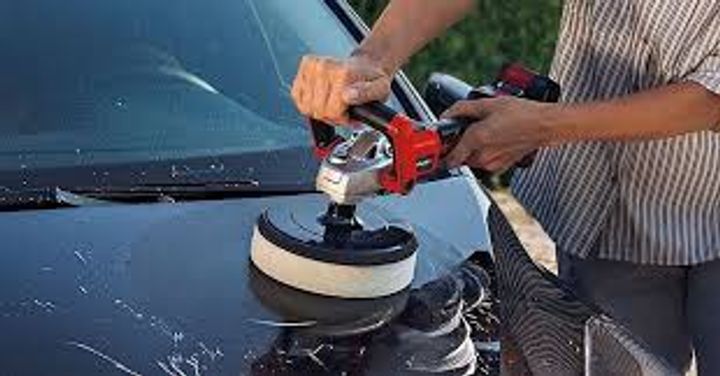
Modern polishing machines vary widely in size and function. Some are small handheld devices used for household tasks, while others are large industrial machines used in manufacturing environments. These machines typically use rotating pads, belts, or discs combined with abrasive materials to achieve the desired finish.
The development of polishing machines is closely linked to advancements in manufacturing and material science. As industries began producing more precise and complex components, the need for consistent surface finishing became more important. Today, polishing machines play a role in industries such as automotive production, electronics, construction, and furniture making.
Importance
Polishing machines are important because they improve both the appearance and functionality of materials. A smooth surface not only looks better but also performs better in many situations. For example, polished metal parts often experience less friction, which can improve efficiency and durability in mechanical systems.
For everyday users, polishing machines help maintain items such as floors, vehicles, and household surfaces. This contributes to cleanliness and extends the lifespan of materials. In industrial settings, polishing ensures that components meet required standards for safety and performance.
Some common problems that polishing machines help address include uneven surfaces, scratches, oxidation, and residue buildup. By resolving these issues, polishing machines support quality control in manufacturing and maintenance in daily life.
In addition, polishing can prepare surfaces for further processes such as coating, painting, or sealing. Without proper surface preparation, these additional layers may not adhere correctly, leading to reduced effectiveness.
Recent Updates
Recent trends in polishing machines reflect a focus on efficiency, precision, and environmental awareness. One noticeable development is the integration of automated systems. Many modern machines now include programmable controls that allow users to set speed, pressure, and polishing duration with greater accuracy.
Another trend is the use of advanced abrasive materials. New compounds are designed to reduce material waste while achieving smoother finishes. These abrasives are often more durable and require less frequent replacement.
Battery-powered and cordless polishing machines have also become more common. These tools provide greater flexibility, especially in locations where access to power outlets is limited. Improvements in battery technology have increased operating time and reliability.
Noise reduction and ergonomic design are additional areas of progress. Manufacturers are focusing on making machines more comfortable to use for extended periods, with features such as vibration control and adjustable handles.
Environmental considerations are also influencing design. Some polishing systems now include dust collection mechanisms and reduced emission processes, helping to maintain cleaner working environments.
Laws or Policies
The use and manufacturing of polishing machines are influenced by safety and environmental regulations in many countries. These regulations aim to protect users and reduce environmental impact.
In India, workplace safety guidelines often require the use of protective equipment such as gloves, goggles, and masks when operating polishing machines. Employers are expected to ensure that workers are trained in proper handling procedures.
Electrical safety standards also apply, especially for machines that operate on high power. These standards help prevent hazards such as short circuits or overheating.
Environmental policies may regulate the disposal of polishing waste, including used abrasives and chemical residues. Proper disposal methods are necessary to prevent contamination of soil and water.
Noise and air quality regulations can also affect how polishing machines are used in industrial settings. Machines may need to meet certain limits to reduce noise pollution and airborne particles.
Tools and Resources
Several tools and resources can help users understand and work with polishing machines more effectively. These resources are useful for both beginners and experienced users.
Common tools and materials include:
- Abrasive pads and discs, which come in different grades for various levels of polishing
- Polishing compounds, used to enhance the finishing process
- Buffing wheels, often used for achieving a high-gloss surface
- Dust extraction units, which help maintain a cleaner workspace
Helpful resources include:
- Instruction manuals provided with machines, explaining operation and maintenance
- Online tutorials and educational videos that demonstrate techniques
- Safety guidelines published by government or industry organizations
- Material compatibility charts that show which polishing methods suit different surfaces
Below is a simple table showing common types of polishing machines and their typical uses:
| Machine Type | Common Use | Materials Handled |
|---|---|---|
| Rotary Polisher | General surface polishing | Metal, wood, plastic |
| Orbital Polisher | Fine finishing and detailing | Car paint, furniture |
| Belt Polisher | Continuous surface smoothing | Metal sheets, wood panels |
| Bench Polisher | Small component polishing | Tools, jewelry parts |
| Floor Polisher | Large surface cleaning | Marble, tiles, concrete |
FAQs
What are polishing machines used for?
Polishing machines are used to smooth and refine surfaces by removing scratches, oxidation, or uneven layers. They are commonly applied to materials such as metal, wood, glass, and stone.
How do polishing machines work?
Polishing machines work by using rotating or vibrating parts combined with abrasive materials. These abrasives gradually remove small imperfections, resulting in a smoother surface.
Are polishing machines suitable for home use?
Yes, smaller polishing machines are designed for household tasks such as floor cleaning, furniture care, and vehicle maintenance. They are typically easier to handle and require basic knowledge of operation.
What types of polishing machines are available?
There are several types, including rotary polishers, orbital polishers, belt polishers, bench polishers, and floor polishers. Each type is suited for different tasks and materials.
Do polishing machines require maintenance?
Yes, regular maintenance is important. This includes cleaning the machine, replacing worn-out abrasive parts, and checking for any mechanical or electrical issues.
Conclusion
Polishing machines play an important role in both industrial processes and everyday maintenance tasks. They help improve surface quality, enhance durability, and prepare materials for further treatment. Advances in technology continue to make these machines more efficient and user-friendly. Understanding their types, uses, and safety considerations can help individuals use them effectively in various settings.