The Ultimate Guide to X-ray, MPI, and Ultrasound Inspection in Manufacturing
In modern manufacturing, ensuring that materials and components are free from defects is an essential part of production. Industries such as aerospace, automotive, construction, and energy rely on inspection techniques to maintain structural integrity and safety. Among the most widely used methods are X-ray inspection, Magnetic Particle Inspection (MPI), and ultrasound inspection in manufacturing.
These techniques fall under a broader category known as non-destructive testing (NDT). NDT allows engineers and technicians to examine materials without causing damage. This is especially important for components that must remain intact for use after inspection. Each method—X-ray, MPI, and ultrasound—uses different physical principles to detect flaws such as cracks, voids, or inclusions.
Historically, inspection methods were limited to visual checks or destructive testing, which involved breaking samples to evaluate their strength. Over time, advancements in physics, electronics, and imaging technology led to the development of more precise and non-invasive techniques. Today, these inspection methods are integrated into manufacturing processes to support quality control and compliance with safety standards.
Importance
The use of X-ray, MPI, and ultrasound inspection in manufacturing plays a key role in maintaining product reliability and public safety. Defects in materials can lead to equipment failure, structural damage, or safety risks. By identifying these issues early, manufacturers can reduce risks associated with faulty components.
These inspection methods affect a wide range of industries and, indirectly, everyday consumers. For example, vehicles rely on properly inspected parts to function safely, while infrastructure projects depend on defect-free materials for long-term stability.
Key challenges addressed by these inspection methods include:
- Detecting hidden defects: X-ray inspection can reveal internal flaws that are not visible from the outside.
- Identifying surface and near-surface cracks: MPI is particularly effective for ferromagnetic materials.
- Measuring internal inconsistencies: Ultrasound inspection uses sound waves to locate defects deep within materials.
In addition, these methods support consistent quality standards. As manufacturing becomes more complex, the need for reliable inspection grows. Automated systems and digital tools now assist in maintaining accuracy and repeatability.
Recent Updates
Recent developments in X-ray, MPI, and ultrasound inspection in manufacturing reflect broader trends in automation, data analysis, and digital integration. One notable trend is the use of digital imaging in X-ray inspection. Modern systems can produce high-resolution images that allow for detailed analysis and easier data storage.
Another development is the integration of artificial intelligence in inspection processes. AI algorithms can assist in identifying patterns and anomalies in inspection data, reducing human error and improving consistency. This is particularly useful in high-volume manufacturing environments.
For ultrasound inspection, phased array technology has gained attention. This method allows multiple ultrasonic beams to be controlled electronically, enabling more precise scanning of complex shapes. Similarly, portable and handheld devices have become more common, making inspections more flexible.
In MPI, improvements in magnetic field control and visualization techniques have enhanced the detection of smaller defects. Fluorescent particles and digital imaging systems are increasingly used to improve visibility and documentation.
Overall, the trend is moving toward smarter, faster, and more connected inspection systems that can be integrated into automated production lines.
Laws or Policies
Inspection methods such as X-ray, MPI, and ultrasound inspection in manufacturing are influenced by national and international standards. These regulations aim to ensure safety, consistency, and reliability across industries.
In many countries, organizations like the International Organization for Standardization (ISO) and the American Society for Testing and Materials (ASTM) provide guidelines for non-destructive testing methods. These standards define procedures, equipment requirements, and qualification criteria for personnel.
In India, regulatory frameworks often align with global standards while also incorporating guidelines from bodies such as the Bureau of Indian Standards (BIS). Industries like oil and gas, railways, and construction follow specific codes that mandate inspection procedures.
Radiation safety is another important aspect, particularly for X-ray inspection. Authorities typically require proper shielding, monitoring, and operator training to minimize exposure risks.
Common regulatory considerations include:
- Certification of inspection personnel
- Calibration and maintenance of equipment
- Documentation and traceability of inspection results
- Compliance with safety guidelines for radiation and magnetic fields
These policies help maintain trust in manufactured products and ensure that inspection practices meet established benchmarks.
Tools and Resources
A variety of tools and resources support X-ray, MPI, and ultrasound inspection in manufacturing. These tools range from physical equipment to digital platforms used for analysis and reporting.
Commonly used tools include:
- X-ray inspection systems: These include digital radiography units and computed tomography scanners used to capture internal images of components.
- MPI equipment: Magnetic yokes, coils, and particle solutions are used to detect surface defects in ferromagnetic materials.
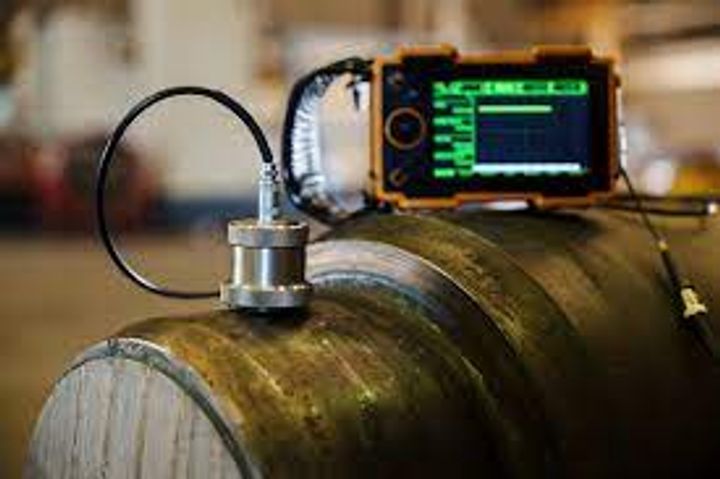
- Ultrasound devices: Handheld and automated ultrasonic testing units use sound waves to identify internal irregularities.
Digital tools are also becoming increasingly important. Software platforms help analyze inspection data, generate reports, and store records for future reference. Some systems include features for automated defect recognition and integration with manufacturing workflows.
Below is a simplified comparison of the three inspection methods:
| Inspection Method | Principle Used | Suitable For | Key Advantage |
|---|---|---|---|
| X-ray Inspection | Radiation imaging | Internal structures | Detects hidden internal defects |
| MPI | Magnetic field interaction | Surface and near-surface defects | Effective for ferromagnetic metals |
| Ultrasound | Sound wave reflection | Internal and thick materials | Deep penetration and precision |
In addition, training materials, certification programs, and technical manuals are widely available to help individuals understand and apply these methods correctly.
FAQs
What is X-ray inspection in manufacturing used for?
X-ray inspection in manufacturing is used to examine the internal structure of materials and components. It helps detect defects such as voids, cracks, and inclusions without damaging the item being inspected.
How does MPI work in manufacturing processes?
Magnetic Particle Inspection (MPI) works by applying a magnetic field to a material and then using magnetic particles to reveal surface and near-surface defects. It is commonly used for ferromagnetic materials like steel.
What are the advantages of ultrasound inspection in manufacturing?
Ultrasound inspection in manufacturing allows for deep penetration into materials and provides precise measurements of internal features. It is useful for detecting flaws in thick or layered structures.
Are X-ray, MPI, and ultrasound inspection methods safe?
These methods are generally safe when proper guidelines are followed. For example, X-ray inspection requires controlled environments to manage radiation exposure, while MPI and ultrasound involve minimal risk when used correctly.
Which industries use X-ray, MPI, and ultrasound inspection in manufacturing?
These inspection methods are used in industries such as aerospace, automotive, construction, energy, and manufacturing of heavy equipment. They help ensure that components meet safety and quality standards.
Conclusion
X-ray, MPI, and ultrasound inspection in manufacturing are essential tools for evaluating the integrity of materials without causing damage. Each method serves a specific purpose, depending on the type of material and the nature of the inspection required. Advances in technology continue to improve the accuracy and efficiency of these techniques. As manufacturing processes evolve, these inspection methods remain important for maintaining safety, consistency, and reliability across industries.