The Creative Process of Filmmakers: A Guide Behind the Camera
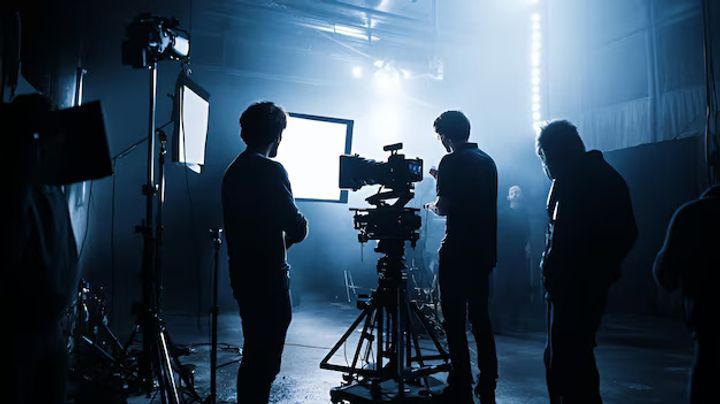
A filmmaker is anyone involved in the creation of films—from short independent projects to major motion pictures. While the term often refers to directors, it can also encompass producers, screenwriters, editors, cinematographers, and others who shape the artistic and logistical aspects of a film.Filmmaking combines visual storytelling, technical knowledge, and creative collaboration. Filmmakers are responsible for turning a script or concept into a complete film by guiding performances, selecting visuals, and managing the production process.
Why Filmmakers Matter Today
Filmmakers influence culture, spark conversations, and provide entertainment across languages and borders. With the growth of streaming platforms, indie studios, and digital tools, filmmaking is more accessible than ever.
Impact of filmmakers includes:
- Reflecting social, political, and cultural realities
- Creating employment across multiple industries
- Promoting diversity and inclusion through storytelling
- Shaping public opinion through documentary and fiction formats
Types of Filmmakers
| Role | Primary Responsibility |
|---|---|
| Director | Guides the overall creative vision of the film |
| Producer | Handles finances, logistics, and team coordination |
| Screenwriter | Writes the script and develops the narrative |
| Cinematographer (DOP) | Oversees camera work and lighting |
| Editor | Assembles the raw footage into a final cut |
| Documentary Filmmaker | Tells real-world stories through non-fiction |
| Independent Filmmaker | Works outside major studio systems, often with small budgets |
Modern Tools and Techniques Used by Filmmakers
Digital Cameras (like RED, ARRI, or DSLR/Mirrorless models)
Editing Software: Adobe Premiere Pro, Final Cut Pro, DaVinci Resolve
Screenwriting Tools: Celtx, Final Draft
Visual Effects (VFX): After Effects, Blender, Maya
Collaboration Tools: Frame.io, ShotGrid
Online Learning: MasterClass, Coursera, Skillshare (for filmmaking techniques)
Recent Trends in Filmmaking (2024–2025)
- AI-Assisted Editing and Scriptwriting: Emerging tools are helping with storyboarding, scheduling, and video cuts.
- Virtual Production: Using LED volumes (like in The Mandalorian) to combine CGI with real-time environments.
- Short-Form Content: Rise in vertical storytelling for platforms like TikTok and Instagram Reels.
- Diversity in Storytelling: More films now highlight voices from underrepresented communities.
- Sustainable Filmmaking: Green production practices are being adopted to reduce environmental impact.
FAQs About Filmmakers
Q1: Do I need a film degree to become a filmmaker?
Not necessarily. Many filmmakers are self-taught or come from different backgrounds. However, formal education can offer structure, networking, and equipment access.
Q2: What’s the difference between a producer and a director?
The producer manages the business side (budget, hiring), while the director focuses on the creative side (storytelling, visuals).
Q3: Can I be a filmmaker with a smartphone?
Yes! Many short films and even festivals encourage smartphone filmmaking. It’s about the story, not just the gear.
Q4: How do filmmakers earn money?
Through film sales, streaming deals, crowdfunding, grants, sponsorships, and freelance work in commercials, weddings, or corporate videos.
Conclusion
Filmmakers are the architects of modern storytelling. They bring ideas to life through vision, collaboration, and technique. Whether working on a blockbuster or a one-minute short film, filmmakers influence how we see the world—and sometimes, how we change it.If you'd like a blog article, career guide, or industry comparison focused on filmmakers, let me know your goal and I’ll tailor it further.