Switzerland Holiday Planning Simplified: Advice for Stress-Free Travel
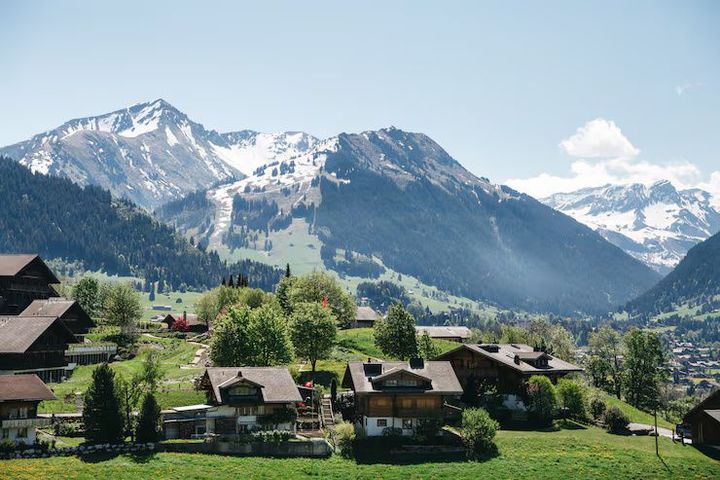
Switzerland, known for its breathtaking alpine landscapes, pristine lakes, and charming medieval towns, has long been a dream destination for travelers worldwide. The country offers an unparalleled blend of natural beauty, cultural richness, and efficiency that makes it one of the most organized travel experiences in Europe.
Holiday planning in Switzerland exists to help visitors navigate the country’s extensive transport systems, multi-lingual regions, and diverse attractions ranging from skiing in Zermatt to exploring the cosmopolitan streets of Zurich. With increasing demand for sustainable and personalized travel, travelers now seek more structured, environmentally friendly, and stress-free ways to experience Switzerland’s charm.
Why Switzerland holiday planning matters today
Planning a Switzerland holiday matters more than ever due to the country’s diversity in geography, languages, and seasonal variations. The experience varies dramatically between the snowy Alps, the Mediterranean-inspired Ticino, and the French-influenced Geneva region. Proper planning helps tourists make the most of their stay while respecting local traditions and minimizing environmental impact.
Travelers today are also more conscious about eco-friendly tourism, digital convenience, and cultural immersion. Switzerland supports these values through initiatives like the “Swisstainable” program, which encourages sustainable travel options. With global tourism rebounding after 2023, well-planned holidays ensure comfort, safety, and meaningful exploration across the country’s scenic routes and historic towns.
Key reasons planning is essential include:
-
Efficiently combining nature, culture, and urban experiences
-
Understanding regional transport passes and train schedules
-
Selecting travel-friendly seasons to avoid overcrowding
-
Adhering to sustainability practices promoted nationwide
Recent updates in Switzerland’s travel trends
Switzerland’s tourism industry has evolved rapidly between 2023 and 2025, with a strong focus on digital transformation and green initiatives. According to Switzerland Tourism’s 2024 report, international arrivals rose by 11%, driven by renewed interest in slow travel, wellness retreats, and climate-conscious holidays.
Some notable updates include:
| Trend | Description |
|---|---|
| Sustainable Tourism | Expansion of eco-certified hotels and regional rail travel replacing domestic flights. |
| Digital Connectivity | Introduction of the “Swiss Travel System App” for real-time ticketing and navigation. |
| Culinary Tourism | Growing interest in local cheese-making tours and chocolate-tasting trails. |
| Seasonal Diversification | Increased promotion of off-season travel to reduce tourist congestion in summer. |
Additionally, Swiss cities such as Zurich and Lausanne have implemented smart city initiatives that improve urban travel efficiency and promote carbon neutrality. As of 2025, e-vehicle rental and shared transport options are widely integrated across major transport hubs.
Laws, policies, and travel regulations in Switzerland
Switzerland maintains some of Europe’s most traveler-friendly regulations, emphasizing safety, environmental preservation, and tourism quality. Several key policies impact holiday planning:
-
Visa and Entry Rules: Citizens from EU/EEA nations can enter freely, while others may need a Schengen visa. Post-2024, Switzerland simplified online visa applications for short-term stays.
-
Environmental Policies: The government enforces strict waste disposal laws and promotes renewable energy through tourism initiatives. Littering and excessive vehicle emissions can incur fines.
-
Cultural Heritage Protection: UNESCO-listed sites like Bern’s Old Town and the Lavaux Vineyards have protective tourism limits to preserve authenticity.
-
Transportation Regulations: Public transportation adheres to punctuality and sustainability standards under the Swiss Federal Railways (SBB) policies.
-
Traveler Safety: Mountain regions follow strict regulations for avalanche safety, hiking permits, and wildlife protection.
These frameworks collectively ensure that travelers experience a safe, organized, and eco-conscious visit aligned with Switzerland’s global image of precision and responsibility.
Helpful tools and resources for planning a Switzerland holiday
Effective planning involves reliable digital tools and information sources. Switzerland’s tourism infrastructure offers a wealth of official apps and guides to simplify itinerary design, accommodation choices, and transportation.
Essential tools and websites include:
-
MySwitzerland.com – The official tourism portal with updated attraction details, seasonal tips, and event calendars.
-
Swiss Travel System App – Integrates train, tram, and bus schedules for seamless navigation across regions.
-
SBB Mobile – Real-time updates for public transport connections and ticket booking.
-
WeatherPro Europe – Monitors regional climate for hikers and skiers.
-
Cultural Atlas Switzerland – Provides insights into local customs, etiquette, and regional differences.
-
Google Maps and Komoot – For mapping hiking and cycling trails through alpine landscapes.
Travelers are also encouraged to use digital sustainability calculators to measure their carbon footprint and explore eco-lodging certifications before confirming stays.
Frequently asked questions about Switzerland holidays
1. What is the best time to visit Switzerland?
Switzerland offers distinct experiences year-round. Summer (June–September) is ideal for hiking and festivals, while winter (December–March) is perfect for skiing. Spring and autumn are quieter with mild weather and fewer crowds.
2. Do I need travel insurance to visit Switzerland?
Yes, comprehensive insurance is recommended. It covers medical expenses, lost luggage, and cancellations, ensuring peace of mind during alpine activities.
3. How can I travel sustainably in Switzerland?
Opt for trains or buses instead of cars, stay at eco-certified accommodations, and support local food producers. The Swisstainable program guides travelers toward low-impact experiences.
4. Are there language barriers for tourists?
Switzerland has four national languages—German, French, Italian, and Romansh—but English is widely spoken in urban and tourist regions. Multilingual signage simplifies navigation.
5. Is Switzerland safe for solo travelers?
Yes, it consistently ranks among the world’s safest countries. Public transport, urban centers, and rural regions maintain high safety standards, even for solo or female travelers.
Conclusion
Switzerland’s balance of nature, technology, and tradition makes it one of the most captivating destinations in the world. Effective holiday planning ensures travelers can explore its scenic diversity—from the majestic Matterhorn to serene Lake Geneva—without stress or confusion.
By leveraging official tools, understanding recent tourism updates, and respecting local regulations, visitors can enjoy a meaningful and sustainable journey through the heart of Europe. Whether it’s discovering mountain villages, indulging in chocolate culture, or gliding through panoramic train routes, a well-planned Swiss holiday remains an unforgettable experience for every traveler.