Steel Products Guide: Understanding Modern Industrial Steel Materials
Steel products play a fundamental role in modern industrial systems. Steel is an alloy primarily made from iron and carbon, designed to provide strength, durability, and versatility across a wide range of applications. Because of these properties, steel has become one of the most widely used materials in construction, transportation, energy, manufacturing, and infrastructure development.
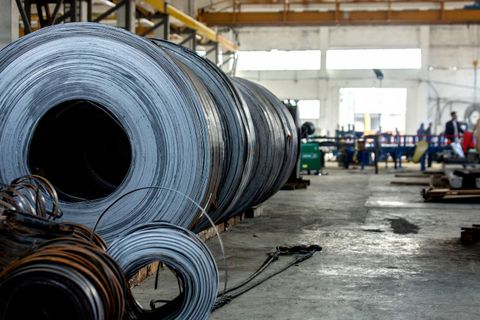
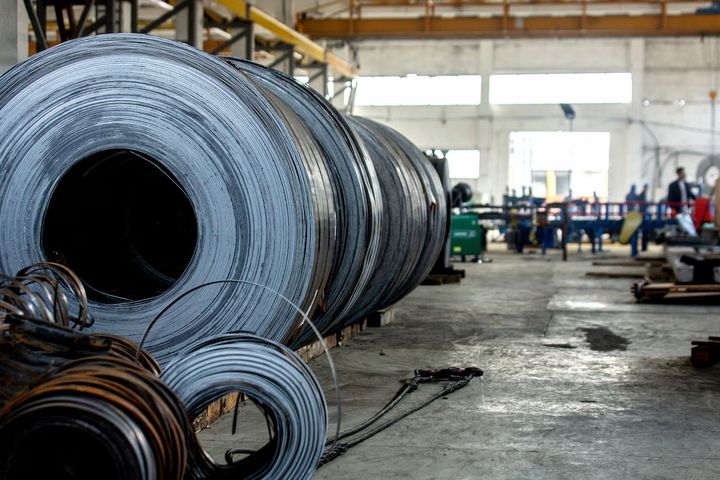
Steel products exist in many forms. These include sheets, plates, pipes, bars, structural beams, and wires. Each type is designed to serve a specific function depending on the structural strength, flexibility, or corrosion resistance required for a project.
The development of steel production technologies began during the industrial revolution and has evolved significantly over time. Modern steel manufacturing now includes advanced metallurgical techniques, automated production systems, and digital monitoring technologies that improve efficiency and product consistency.
Steel products are essential because they combine durability with recyclability. Steel can be reused multiple times without losing its core properties, which makes it an important material in sustainable industrial development.
The following table highlights common categories of steel products and their typical applications.
| Steel Product Type | Typical Applications |
|---|---|
| Steel Sheets | Automotive panels, appliances |
| Steel Plates | Shipbuilding, heavy machinery |
| Steel Pipes | Oil, gas, and water transport |
| Steel Bars | Reinforcement in construction |
| Structural Steel | Bridges, buildings, frameworks |
| Steel Wire | Cables, fencing, springs |
Because of these diverse forms, steel products support industries ranging from residential construction to aerospace engineering.
Why Steel Products Matter in Today's Economy
Steel products remain critical to global economic growth and infrastructure development. Many modern industries rely heavily on steel due to its strength-to-weight ratio, structural reliability, and long lifecycle.
Infrastructure projects such as bridges, railways, highways, and power plants depend on structural steel components. These materials allow engineers to design buildings and systems that withstand heavy loads, extreme temperatures, and environmental conditions.
Steel products also contribute significantly to the automotive and transportation industries. Vehicles use various steel grades to improve safety while maintaining fuel efficiency through optimized structural design.
Another important factor is sustainability. Steel is one of the most recycled materials globally. According to international industry data, recycled steel accounts for a significant portion of global production, reducing the need for raw material extraction and lowering environmental impact.
Key benefits of steel products include:
- High mechanical strength
- Long service life
- Recyclability and material recovery
- Resistance to deformation under heavy loads
- Compatibility with modern manufacturing processes
Industries that heavily depend on steel products include:
- Construction and infrastructure
- Energy and power generation
- Automotive manufacturing
- Shipbuilding
- Industrial machinery production
Because steel products are so widely used, changes in steel production technologies often influence many sectors of the global economy.
Recent Developments in Steel Manufacturing (2024–2025)
The steel industry has experienced several technological and environmental changes in recent years. Manufacturers are adopting new production methods that improve energy efficiency and reduce carbon emissions.
In 2024, many steel producers expanded the use of electric arc furnace (EAF) technology, which uses recycled steel scrap instead of traditional iron ore as the primary input. This process reduces energy consumption and supports circular manufacturing practices.
Another trend involves digital monitoring systems in steel plants. Smart sensors and predictive maintenance technologies allow operators to monitor furnace temperatures, material flow, and equipment performance in real time. These systems help reduce production downtime and improve overall quality control.
Green steel initiatives have also gained attention in 2025. Several global steel manufacturers are investing in hydrogen-based steelmaking processes. These experimental methods aim to replace coal-based blast furnaces with hydrogen reduction technologies, significantly lowering greenhouse gas emissions.
The chart below summarizes major recent trends in the steel industry.
| Industry Trend | Description |
|---|---|
| Electric Arc Furnaces | Increased use of recycled steel |
| Smart Manufacturing | Sensor-based monitoring systems |
| Green Steel Projects | Hydrogen-based production research |
| Supply Chain Digitization | Improved logistics and inventory tracking |
| Advanced Alloys | Development of stronger, lighter steel grades |
These innovations show how the steel industry is adapting to modern sustainability goals and technological advancements.
Regulations and Policies Affecting Steel Products
Steel production and usage are influenced by various government regulations, safety standards, and environmental policies. These rules ensure that steel products meet structural safety requirements and environmental guidelines.
In many countries, steel used in construction must comply with national engineering standards. For example, structural steel grades must meet specific strength and durability requirements before they are approved for building projects.
Environmental policies also affect steel manufacturing. Governments have introduced emissions reporting systems and carbon reduction goals for heavy industries. These regulations encourage manufacturers to adopt cleaner production methods and energy-efficient technologies.
Examples of policy areas related to steel products include:
- Industrial emission regulations
- Construction safety standards
- Material certification systems
- Recycling and waste management policies
Many countries also support steel recycling programs. Because steel can be melted and reused without losing quality, recycling policies help reduce industrial waste and conserve natural resources.
Additionally, international trade agreements and tariffs sometimes influence the availability and pricing of steel products across global markets.
Understanding these regulatory frameworks helps industries maintain compliance while improving sustainability and safety.
Tools and Resources for Understanding Steel Products
Professionals, engineers, and students often rely on various tools and informational resources to study steel products and their applications. These tools help analyze material properties, calculate structural loads, and understand manufacturing processes.
Common tools and resources include:
Engineering Calculation Tools
- Structural load calculators
- Material strength analysis software
- Steel weight and density calculators
Industry Standards and Databases
- Engineering material databases
- Metallurgy research publications
- manufacturing process documentation platforms
Digital Design Platforms
- CAD (Computer-Aided Design) software
- Structural modeling programs
- Industrial simulation software
The table below shows examples of common analytical resources used in steel engineering.
| Tool Category | Purpose |
|---|---|
| Structural Analysis Software | Simulates building strength |
| Metallurgy Databases | Provides steel composition data |
| CAD Platforms | Designs structural components |
| Industrial Simulation Tools | Tests manufacturing processes |
These tools help professionals better understand how steel products behave under different environmental and mechanical conditions.
Frequently Asked Questions
What are steel products made from?
Steel products are primarily made from iron and carbon. Small amounts of other elements such as chromium, nickel, or manganese may be added to improve strength, corrosion resistance, or flexibility.
What industries use steel products the most?
Construction, automotive manufacturing, energy infrastructure, shipbuilding, and heavy machinery industries rely heavily on steel products.
Are steel products recyclable?
Yes. Steel is one of the most recyclable materials. It can be melted and reused multiple times without losing its mechanical properties.
What is the difference between stainless steel and carbon steel?
Carbon steel contains mainly iron and carbon, while stainless steel includes chromium, which provides corrosion resistance and improved durability.
Why are different grades of steel used in manufacturing?
Different steel grades are designed to meet specific requirements such as strength, heat resistance, flexibility, or corrosion protection.
Conclusion
Steel products remain essential to modern infrastructure, manufacturing, and industrial development. From structural beams used in skyscrapers to specialized alloys used in automotive engineering, steel materials provide durability and reliability across numerous applications.
Advances in manufacturing technologies, sustainability initiatives, and digital monitoring systems are shaping the future of steel production. Innovations such as electric arc furnaces and hydrogen-based steelmaking show how the industry is adapting to environmental challenges and energy efficiency goals.
At the same time, regulatory standards and engineering guidelines ensure that steel products meet strict safety and quality requirements. These policies support reliable construction practices while encouraging responsible resource management.
With continuous innovation and strong industrial demand, steel products will remain a foundational material in global manufacturing and infrastructure systems for many years to come.