Smart & Automated Manufacturing Guide: Explore Technologies, Systems, Benefits, and Planning Factors
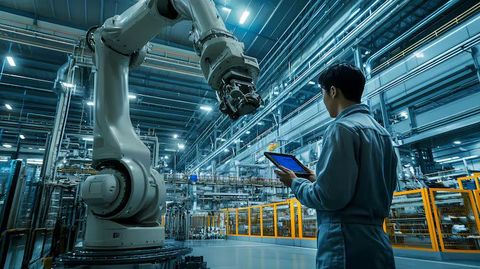
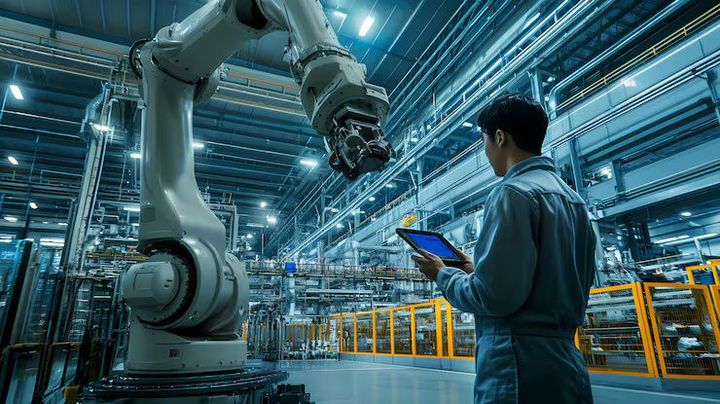
Smart and automated manufacturing combines industrial machinery, software, sensors, robotics, data systems, and connected technologies to improve how products are made. A Smart & Automated Manufacturing Guide helps explain how traditional production environments are evolving toward connected systems that can monitor processes, exchange information, and perform selected tasks with limited manual intervention.
Manufacturing automation has existed for decades, beginning with mechanical controls, programmable machines, and automated production lines. Modern systems have expanded this concept by connecting equipment with industrial networks, cloud platforms, artificial intelligence, machine vision, and real-time data analysis.
The main idea behind smart manufacturing is not simply replacing people with machines. Instead, it involves coordinating equipment, workers, software, and production data so that manufacturing processes can be monitored and managed more effectively.
Core Technologies
Several technologies contribute to smart and automated manufacturing:
- Industrial robots for repetitive movement and material handling.
- Programmable logic controllers for controlling machinery and production sequences.
- Industrial sensors for measuring temperature, pressure, vibration, position, flow, and other conditions.
- Machine vision systems for inspection, measurement, and identification.
- Industrial Internet of Things systems for connecting machines and collecting data.
- Manufacturing execution systems for coordinating production activities.
- Artificial intelligence and machine learning for analyzing operational data.
- Digital twins for representing physical equipment or processes digitally.
- Automated guided vehicles and autonomous mobile robots for material movement.
These technologies can operate independently or as interconnected parts of a larger manufacturing system.
Importance
Manufacturing facilities face several challenges, including production variability, equipment downtime, quality control, energy management, labor requirements, and increasing demands for operational visibility. Smart automation addresses some of these challenges by providing additional information and automating repetitive or highly structured activities.
A connected manufacturing environment can collect information from machines while production is taking place. This information can help personnel understand equipment conditions, identify process changes, and analyze production performance.
How Smart Manufacturing Helps
The potential advantages depend on the equipment, process, and implementation approach. Common areas of interest include:
- Process monitoring: Sensors can continuously collect information from machinery.
- Quality control: Vision systems and automated inspection equipment can identify certain product characteristics.
- Maintenance planning: Equipment data can help identify changes that may indicate developing mechanical problems.
- Material movement: Automated vehicles can transport materials between designated areas.
- Production visibility: Software platforms can organize information from different stages of production.
- Energy monitoring: Connected meters and sensors can track energy consumption across equipment or production areas.
Automation can also improve consistency for repetitive operations. However, automated systems still require appropriate configuration, maintenance, supervision, and human oversight.
Industries Using Automation
Smart manufacturing technologies are used across many industrial sectors. Examples include automotive production, electronics, food processing, pharmaceuticals, chemicals, plastics, metalworking, packaging, aerospace, and consumer products.
The level of automation can vary considerably. A small facility may automate one packaging or inspection process, while a large plant may integrate robotics, production software, sensors, warehouse systems, and centralized monitoring.
Recent Updates
Greater Use of Industrial Connectivity
From 2024 through 2026, manufacturing technology has continued moving toward connected equipment and integrated data systems. Industrial organizations increasingly use networking technologies to connect machines, sensors, controllers, and production software.
This approach can create a more complete view of production activity. Instead of reviewing individual machines separately, operators can potentially analyze information from multiple stages of a process.
Artificial Intelligence in Manufacturing
Artificial intelligence has become an increasingly important part of industrial technology. Manufacturing applications can include visual inspection, anomaly detection, production forecasting, process analysis, and predictive maintenance.
AI systems generally depend on suitable data and clearly defined objectives. Poor-quality data, inadequate integration, or insufficient process knowledge can limit the usefulness of an AI application.
Digital Twins
Digital twins are another area receiving attention. A digital twin represents a physical machine, production line, facility, or process using digital information.
Depending on the implementation, the model can combine equipment specifications, sensor information, historical records, and operational data. This can support simulation, monitoring, and analysis without making changes directly to the physical production environment.
Collaborative Robotics
Collaborative robots, often called cobots, are designed for applications where people and robotic equipment may work in nearby areas under appropriate safety conditions.
Typical applications include assembly, machine tending, inspection, packaging, and material handling. Their suitability depends on factors such as payload, movement, workspace design, risk assessment, and required cycle time.
Cybersecurity Has Become More Important
Greater connectivity also increases the importance of industrial cybersecurity. Manufacturing systems can contain programmable controllers, industrial computers, sensors, networking equipment, and software connected to internal or external networks.
Security practices may include network segmentation, access controls, authentication, software updates, monitoring, backups, and incident response planning. The appropriate approach depends on the architecture and operational requirements of the facility.
Laws or Policies
Smart and automated manufacturing is affected by several types of regulations and technical standards. Requirements vary according to the country, industry, machinery, workplace, and type of automated system.
Machinery and Workplace Safety
Automated equipment must generally be designed, installed, operated, and maintained with worker safety in mind. Regulations can address machine guarding, emergency stopping systems, electrical safety, hazardous areas, operator training, and risk assessment.
Robotic systems may require additional safety measures because of their movement, speed, payload, and interaction with workers.
Industrial Data and Cybersecurity
Connected factories may also need to consider data protection and cybersecurity requirements. The relevant rules depend on the type of information collected and the systems connected to the network.
Manufacturers should distinguish between general industrial data, confidential business information, personal information, and safety-critical operational data because different requirements may apply.
Environmental and Energy Requirements
Manufacturing facilities can also be affected by environmental regulations involving emissions, waste management, energy consumption, water usage, and hazardous materials.
Automation itself does not automatically establish regulatory compliance. Equipment and processes still need to meet the applicable requirements for their particular industry and location.
Tools and Resources
Several tools can help organizations understand, evaluate, and plan smart manufacturing systems.
Manufacturing Execution Systems
Manufacturing execution systems, or MES platforms, can connect production activities with information such as work orders, production status, quality records, and equipment information.
They are commonly positioned between enterprise-level planning software and shop-floor control systems.
Supervisory Control and Data Acquisition
SCADA systems provide monitoring and control capabilities for industrial processes. They can collect information from controllers and field equipment and display operational information through graphical interfaces.
SCADA is particularly relevant to facilities where operators need centralized visibility across multiple machines or processes.
Industrial IoT Platforms
Industrial IoT platforms can collect information from connected equipment and organize it for monitoring and analysis. Depending on the system, information may be processed locally at the edge or transferred to centralized infrastructure.
Automation Planning Tools
Manufacturers can use process maps, equipment inventories, production data, simulation software, and return-on-investment calculators when evaluating automation projects.
A basic planning framework can consider:
| Planning Factor | Questions to Consider |
|---|---|
| Production volume | Is the process repetitive enough for automation? |
| Product variation | How frequently does the production configuration change? |
| Equipment | Can existing machinery communicate with new systems? |
| Workforce | What training and supervision will be required? |
| Safety | What hazards could automation introduce? |
| Data | What information needs to be collected and analyzed? |
| Integration | How will machines and software exchange information? |
| Maintenance | Who will monitor and maintain the automated system? |
| Cybersecurity | How will connected equipment be protected? |
| Expansion | Can the system accommodate future production changes? |
Planning an Automation Project
A structured planning process can begin by identifying the production problem rather than selecting technology first. The next steps may include documenting the current process, measuring relevant performance indicators, identifying suitable automation opportunities, evaluating integration requirements, and reviewing safety considerations.
Testing a limited application before expanding across an entire facility can also help reveal integration or operational issues. The appropriate approach depends on production volume, product complexity, available infrastructure, workforce capabilities, and organizational objectives.
FAQs
What is smart manufacturing?
Smart manufacturing uses connected equipment, automation, software, sensors, and data analysis to monitor and manage manufacturing processes. It combines physical production systems with digital technologies.
What technologies are used in automated manufacturing?
Common technologies include industrial robots, PLCs, sensors, machine vision, SCADA, MES, industrial IoT platforms, AI systems, digital twins, and automated material-handling equipment.
What are the benefits of smart manufacturing?
Potential benefits include improved process visibility, consistent repetitive operations, automated inspection, equipment monitoring, data-based analysis, and more structured maintenance planning. Results depend on the technology and production environment.
How does AI support automated manufacturing?
AI can analyze production and equipment data for applications such as visual inspection, anomaly detection, process analysis, and predictive maintenance. Its effectiveness depends on suitable data, system integration, and appropriate implementation.
What should manufacturers consider before automation?
Important planning factors include production volume, process variation, equipment compatibility, safety, workforce training, data requirements, cybersecurity, maintenance, integration, and future expansion.
Conclusion
Smart and automated manufacturing combines industrial equipment with sensors, robotics, software, connectivity, and data analysis. Modern developments such as AI, digital twins, industrial IoT, collaborative robotics, and cybersecurity are expanding the capabilities of connected production environments. Successful planning requires consideration of safety, integration, workforce requirements, data, maintenance, and applicable regulations. The appropriate level of automation depends on the specific production process, facility, and operational requirements.

You May Also Like