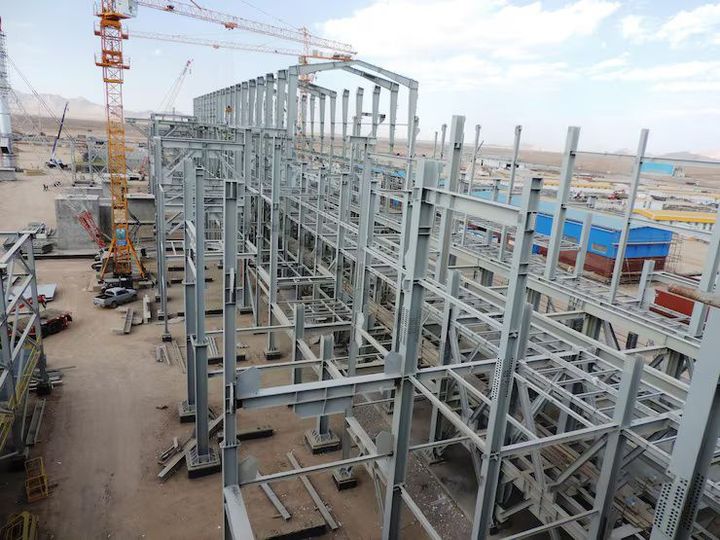
Prefabricated Steel Overview: Basics, Benefits, and Key Facts
Prefabricated steel refers to steel components that are manufactured in a controlled factory environment and then transported to a construction site for assembly. These components are designed in advance and produced with precise measurements, allowing them to fit together efficiently during installation. This approach is widely used in modern construction to improve speed, consistency, and structural performance.
Prefabricated steel structures include a variety of building types such as warehouses, factories, commercial spaces, and residential units. A prefabricated steel building is typically composed of beams, columns, and panels that are pre-cut, welded, and prepared before arriving on-site. This method reduces the need for extensive on-site fabrication and minimizes construction delays.
The concept of steel structure construction has evolved over time with advancements in engineering, materials, and manufacturing processes. Steel fabrication services play a central role in shaping raw steel into usable components, while a steel building contractor oversees the assembly and installation process at the construction site.
This combination of off-site production and on-site assembly has made prefabricated steel a widely adopted approach in both urban and industrial development.
Importance
Prefabricated steel structures are important because they address several challenges in traditional construction methods. One of the key benefits is improved efficiency. Since components are prepared in advance, construction timelines are often shorter compared to conventional building techniques.
For industries, prefabricated steel building systems provide flexibility and scalability. Facilities such as warehouses and manufacturing plants can be expanded or modified more easily when steel structures are used. This adaptability is useful in environments where operational needs may change over time.
Steel structure construction also contributes to structural strength and durability. Steel is known for its high strength-to-weight ratio, which allows buildings to withstand various loads and environmental conditions. This makes it suitable for regions prone to extreme weather or seismic activity.
From a resource perspective, steel is recyclable, which supports more sustainable construction practices. Steel fabrication services often incorporate recycling processes, reducing material waste and environmental impact.
For everyday users, prefabricated steel buildings are used in commercial spaces, storage facilities, and even housing. Their presence in daily life reflects the growing demand for efficient and reliable construction solutions.
Recent Updates
Recent developments in prefabricated steel structures have focused on improving efficiency, sustainability, and design flexibility. One notable trend is the use of advanced digital design tools. Technologies such as Building Information Modeling (BIM) allow engineers and designers to create detailed 3D models before construction begins.
Automation has also influenced steel fabrication services. Modern factories use automated cutting, welding, and shaping equipment to produce components with high precision. This reduces errors and improves consistency across projects.
Another trend is the integration of prefabricated steel building systems with modular construction methods. In this approach, entire sections of a building are assembled off-site and then transported for installation. This further reduces construction time and on-site complexity.
Sustainability is becoming a key focus area. Efforts are being made to reduce energy consumption during steel production and to increase the use of recycled materials. These changes align with broader environmental goals in the construction industry.
In addition, steel building contractors are adopting digital tools for project management and monitoring. These tools help coordinate different stages of steel structure construction and improve communication between teams.
Laws or Policies
Prefabricated steel construction is governed by building codes and regulations that ensure safety, quality, and environmental compliance. These rules vary by region but generally follow established engineering standards.
Structural design codes define how prefabricated steel structures must be designed to handle loads such as wind, seismic activity, and weight. Engineers must ensure that all components meet these requirements before construction begins.
Safety regulations apply during both fabrication and installation. Steel fabrication services must follow guidelines related to worker safety, equipment use, and material handling. Similarly, steel building contractors must adhere to safety practices on construction sites.
Environmental regulations also influence steel structure construction. These may include guidelines on emissions, waste management, and resource use. The use of recyclable materials such as steel supports compliance with sustainability goals.
In many regions, construction projects require permits and inspections. These processes ensure that prefabricated steel buildings meet local standards and are safe for occupancy.
Tools and Resources
Various tools and resources support the design, fabrication, and construction of prefabricated steel structures. These tools help improve accuracy, efficiency, and coordination throughout the project lifecycle.
Common tools and resources include:
- Design software, such as BIM platforms, which allow engineers to model prefabricated steel building systems in detail
- Structural analysis tools, which evaluate the strength and stability of steel structure construction under different conditions
- Fabrication equipment, used in steel fabrication services to cut, weld, and shape steel components
- Project management platforms, which help steel building contractors coordinate timelines, materials, and workforce activities
- Inspection and testing tools, which ensure that components meet quality and safety standards
Below is a simplified overview of key components in prefabricated steel structures:
| Component | Function |
|---|---|
| Steel Columns | Provide vertical support for the structure |
| Steel Beams | Support horizontal loads and connect columns |
| Roof Panels | Cover the top of the building and protect from weather |
| Wall Panels | Form the exterior and interior walls |
| Connection Elements | Include bolts and welds that join components together |
These components work together to form a stable and durable building system.
FAQs
What are prefabricated steel structures?
Prefabricated steel structures are buildings made from steel components that are manufactured off-site and assembled on-site. They are used in industrial, commercial, and residential construction.
What is a prefabricated steel building?
A prefabricated steel building is a structure composed of pre-made steel parts such as beams, columns, and panels. These parts are designed to fit together during construction.
How does steel structure construction work?
Steel structure construction involves designing, fabricating, and assembling steel components. Steel fabrication services prepare the components, and a steel building contractor manages on-site assembly.
What role do steel fabrication services play?
Steel fabrication services transform raw steel into components used in construction. This includes cutting, welding, and shaping materials according to design specifications.
Who is a steel building contractor?
A steel building contractor is responsible for assembling prefabricated steel structures on-site. They ensure that the construction process follows design plans and safety standards.
Conclusion
Prefabricated steel structures represent a modern approach to construction that combines efficiency, strength, and adaptability. By shifting much of the work to controlled factory environments, this method improves precision and reduces construction time. Advances in digital design and automation continue to shape steel structure construction practices. As demand for reliable and scalable building solutions grows, prefabricated steel remains an important part of the construction industry.