Pipe Welding Guide: Explore Techniques, Equipment, and Key Insights
Pipe welding is a process used to join sections of pipes so that liquids and gases can flow safely through them. It is widely applied in industries such as construction, energy, water supply, and manufacturing. From household plumbing systems to large industrial pipelines, pipe welding plays a role in maintaining reliable connections.
he practice of welding dates back to ancient metalworking techniques, but modern pipe welding has evolved with advanced materials and precise methods. Today, various welding techniques and specialized equipment are used to ensure strong, leak-resistant joints. Understanding pipe welding is useful not only for professionals but also for anyone interested in how infrastructure systems function.
Importance
Pipe welding is important because it helps maintain the integrity of systems that carry water, oil, gas, and other essential materials. Poorly welded pipes can lead to leaks, contamination, or structural failure, which may disrupt daily life and industrial operations.
For everyday people, pipe welding affects access to clean water, safe heating systems, and efficient waste management. In industries, it supports operations such as power generation and transportation of resources. The process also contributes to safety by ensuring that pipelines can withstand pressure, temperature changes, and environmental conditions.
Challenges addressed by pipe welding include:
- Leak prevention: Proper welding reduces the risk of fluid or gas escaping from pipelines.
- Durability: Strong welds help pipes last longer under stress and corrosion.
- Safety: Reliable joints lower the chance of accidents caused by system failures.
- Efficiency: Well-constructed pipelines improve flow and reduce maintenance needs.
Recent Updates
Pipe welding has seen gradual improvements due to advancements in technology and materials. One notable trend is the increasing use of automation. Automated welding systems and robotic arms are now used in large-scale projects to improve precision and consistency.
Another development is the use of digital monitoring tools. These tools allow welders and inspectors to track welding parameters such as temperature and alignment in real time. This helps maintain quality and reduces the likelihood of defects.
Materials used in pipe welding have also evolved. New alloys and corrosion-resistant metals are being adopted to improve performance in harsh environments. In addition, there is a growing focus on environmentally responsible practices, such as reducing emissions during welding and improving energy efficiency.
Training methods have changed as well. Virtual simulations and digital learning platforms are now used to teach welding techniques, allowing learners to practice in a controlled environment before working on real projects.
Laws or Policies
Pipe welding is influenced by various regulations and standards that aim to ensure safety and reliability. In many countries, including India, welding practices must follow guidelines set by national and international organizations.
Common regulatory frameworks include:
- Safety standards: Organizations like the Bureau of Indian Standards (BIS) and international bodies such as ISO provide guidelines for welding procedures and material quality.
- Workplace safety rules: Regulations require proper protective equipment, ventilation, and training for individuals involved in welding activities.
- Inspection requirements: Welded joints often need to undergo testing methods such as non-destructive testing to check for defects without damaging the pipe.
- Environmental guidelines: Policies may address emissions, waste management, and energy use during welding processes.
These regulations help ensure that pipe welding is carried out responsibly and that the resulting structures meet safety expectations.
Tools and Resources
Pipe welding relies on a combination of techniques and equipment to achieve strong and reliable joints. Understanding these tools can help readers appreciate how the process works.
Common Pipe Welding Techniques
Different techniques are used depending on the material, pipe size, and application:
- Shielded Metal Arc Welding (SMAW): Often used for its versatility and ability to work in various conditions.
- Gas Tungsten Arc Welding (GTAW): Known for precision, especially in thin materials and critical applications.
- Gas Metal Arc Welding (GMAW): Suitable for faster welding with consistent results.
- Flux-Cored Arc Welding (FCAW): Useful in outdoor environments where wind may affect shielding gases.
Essential Equipment
Pipe welding requires several types of equipment to ensure proper execution:
- Welding machines: Provide the necessary electrical current for welding.
- Electrodes and filler materials: Help form the weld joint.
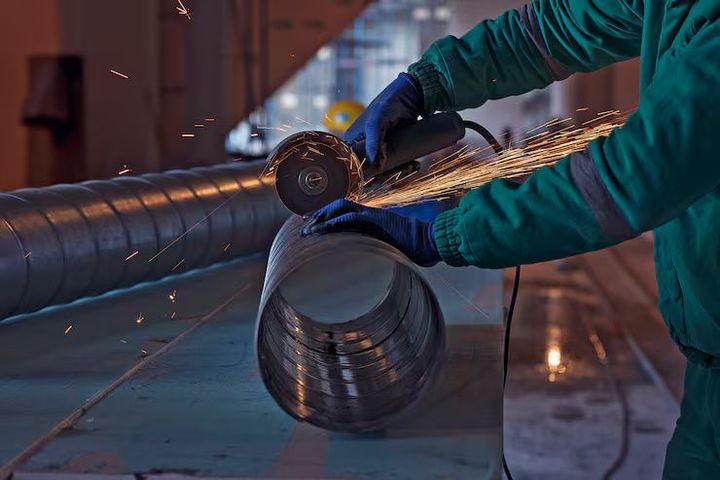
- Protective gear: Includes helmets, gloves, and clothing to protect against heat and sparks.
- Pipe alignment tools: Ensure correct positioning before welding begins.
- Inspection tools: Devices used for non-destructive testing, such as ultrasonic or radiographic equipment.
Example Comparison of Welding Techniques
| Technique | Common Use | Advantages | Limitations |
|---|---|---|---|
| SMAW | General repairs and construction | Simple setup, flexible | Slower process |
| GTAW | Precision work, thin pipes | Clean welds, high control | Requires skill and time |
| GMAW | Industrial production | Faster, consistent | Sensitive to environment |
| FCAW | Outdoor projects | Works in windy conditions | More smoke and spatter |
Helpful Learning Resources
Several types of resources can support learning and understanding of pipe welding:
- Online educational platforms: Provide tutorials and demonstrations of welding techniques.
- Simulation software: Allows practice of welding processes in a virtual setting.
- Technical manuals: Offer detailed explanations of welding standards and procedures.
- Industry forums: Enable knowledge sharing among learners and experienced professionals.
FAQs
What is pipe welding and why is it used?
Pipe welding is the process of joining pipes to create a continuous system for transporting fluids or gases. It is used to ensure strong, leak-resistant connections in various applications such as water supply and industrial pipelines.
Which pipe welding techniques are commonly used?
Common pipe welding techniques include SMAW, GTAW, GMAW, and FCAW. Each technique is chosen based on factors such as material type, pipe thickness, and environmental conditions.
What equipment is needed for pipe welding?
Pipe welding equipment typically includes welding machines, electrodes, protective gear, alignment tools, and inspection devices. These tools help ensure safety and accuracy during the process.
How does non-destructive testing relate to pipe welding?
Non-destructive testing is used to inspect welded joints without causing damage. It helps identify defects such as cracks or voids, ensuring the quality and safety of pipe welding work.
Is pipe welding difficult to learn?
Pipe welding can be challenging because it requires precision, coordination, and knowledge of different techniques. However, with proper training and practice, it becomes more manageable over time.
Conclusion
Pipe welding is a fundamental process that supports many systems used in daily life and industry. It combines technical skill, specialized equipment, and established standards to create durable and safe connections. Advances in technology and training methods continue to shape how pipe welding is performed. Understanding its techniques and tools helps explain how essential infrastructure is built and maintained.