Palm Oil Explained: A Comprehensive Guide to Its Production and Uses
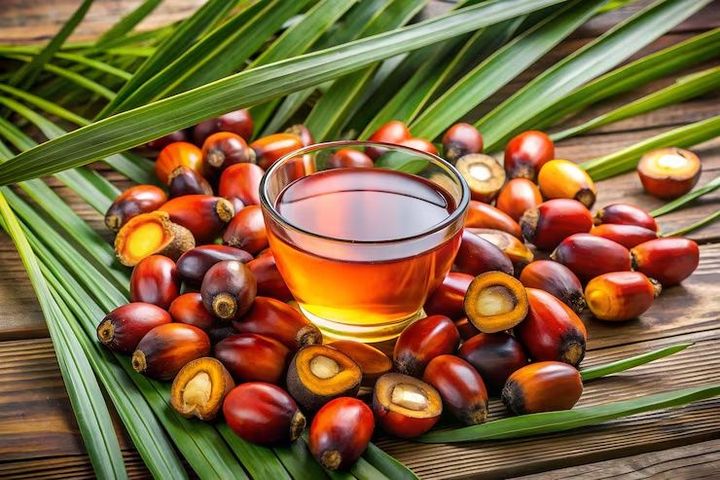
Palm oil is one of the most widely used vegetable oils in the world, extracted from the fruit of the oil palm tree (Elaeis guineensis). Known for its high yield and versatility, it is a major ingredient in food, cosmetics, biofuels, and industrial products.
Originating in West Africa, palm oil cultivation expanded globally during the 20th century, particularly in Southeast Asia—mainly Indonesia and Malaysia—which together account for over 80% of global production.
Palm oil is a semi-solid at room temperature, making it ideal for processed foods, soaps, and personal care products. Its neutral flavor and long shelf life have made it a preferred choice for manufacturers across various sectors.
However, its rapid expansion has raised environmental and social concerns, particularly regarding deforestation, biodiversity loss, and sustainable farming practices. In recent years, global initiatives have emerged to make palm oil production more transparent, traceable, and environmentally responsible.
Importance
Palm oil plays a crucial role in the global economy, food security, and industrial production. Its economic and nutritional value makes it a vital commodity for both producing and consuming nations.
Why Palm Oil Matters Today
-
High Efficiency: Palm oil yields more oil per hectare than any other vegetable crop, making it a resource-efficient option for global demand.
-
Global Demand: Found in nearly 50% of packaged consumer goods—from snacks and margarine to shampoo and detergents.
-
Food Stability: It maintains texture and shelf life in processed foods without the need for hydrogenation.
-
Economic Contribution: Millions of farmers depend on palm oil cultivation, especially in developing countries.
-
Renewable Energy Source: Used in biodiesel production as a renewable energy alternative.
Problems Palm Oil Helps Solve
| Global Challenge | Contribution of Palm Oil |
|---|---|
| High food production costs | Provides an affordable edible oil option |
| Industrial lubricant needs | Serves as a base for biodegradable lubricants |
| Renewable fuel demand | Supports biofuel manufacturing |
| Poverty in rural areas | Provides employment and income in tropical regions |
| Product stability in food and cosmetics | Ensures consistent texture and preservation |
Despite these advantages, the focus today is on producing palm oil responsibly to minimize environmental impact while maintaining its economic benefits.
Recent Updates
The palm oil industry has seen significant transformation in recent years, with advancements in sustainability certification, technology-driven monitoring, and global policy cooperation.
Key Developments (2024–2025)
-
Sustainable Certification Growth (2025):
Over 19% of global palm oil is now certified as sustainable by organizations like the Roundtable on Sustainable Palm Oil (RSPO), up from 15% in 2023. -
Satellite Monitoring (2024):
Governments and NGOs are using satellite imaging to track deforestation and ensure transparent supply chains. -
Alternative Oil Research (2024):
Scientists are exploring microbial and algae-based oils as complementary sources to reduce pressure on land use. -
Traceability Technology (2025):
Blockchain-based tracking systems are being adopted by producers to verify origin and sustainability claims. -
Consumer Awareness Growth:
Educational campaigns in Europe, North America, and Asia are helping consumers identify responsibly sourced palm oil products.
Global Market Insights
According to the International Palm Oil Outlook 2025, global palm oil production is expected to reach 81 million metric tons. Indonesia remains the top producer, followed by Malaysia and Thailand.
The demand for sustainable palm oil is growing rapidly in developed markets, while new processing hubs are emerging in Africa and Latin America to diversify global supply chains.
Laws and Policies
Palm oil production and trade are influenced by environmental regulations, trade agreements, and sustainability standards established by governments and international organizations.
Major Policies and Initiatives
| Region/Country | Regulatory Framework | Focus Area | Key Highlights |
|---|---|---|---|
| Indonesia | Indonesian Sustainable Palm Oil (ISPO) | Sustainability | Mandatory certification for producers emphasizing traceability and deforestation control |
| Malaysia | Malaysian Sustainable Palm Oil (MSPO) | Environmental and labor standards | Ensures responsible production and fair labor practices |
| European Union | Renewable Energy Directive II (RED II) | Biofuel regulation | Limits palm oil-based biofuels that contribute to deforestation |
| India | National Edible Oil Mission (NMEO-OP, 2024) | Domestic production | Promotes sustainable palm cultivation to reduce import dependency |
| United Nations (UNEP) | Global Environment Programme | Biodiversity protection | Supports sustainable land use and community-based conservation |
Policy Trends
-
Deforestation-Free Supply Chains:
Major importers now require proof that palm oil is not linked to forest loss or habitat destruction. -
Carbon Footprint Reduction:
Producers are encouraged to adopt low-emission farming practices and renewable energy sources in mills. -
Fair Labor Practices:
New guidelines promote fair wages, safe working conditions, and gender equality in plantation operations. -
Public-Private Collaboration:
Joint projects between governments, industry, and NGOs aim to restore degraded land and protect biodiversity.
These regulations and initiatives reflect a global movement toward balancing economic growth with ecological responsibility.
Tools and Resources
Modern palm oil production relies on data-driven tools, certification programs, and sustainability monitoring systems.
Useful Tools and Platforms
| Category | Tool/Platform | Purpose |
|---|---|---|
| Certification Systems | RSPO, ISPO, MSPO | Verify sustainable and ethical production standards |
| Supply Chain Monitoring | Global Forest Watch, Trase | Track deforestation and supply chain transparency |
| Sustainability Assessment | PalmGHG Calculator | Estimate greenhouse gas emissions from plantations |
| Data and Research Portals | FAOSTAT, World Bank Palm Oil Data | Access global statistics and market reports |
| Educational Resources | UNEP Palm Oil Platform, WWF Learn Hub | Provide guidance on responsible sourcing and biodiversity protection |
Best Practices for Sustainable Palm Oil
-
Promote replanting of old palms with high-yield, disease-resistant varieties.
-
Implement zero-burning policies to prevent forest fires during land clearing.
-
Use precision agriculture and drone monitoring for efficient resource management.
-
Support smallholder training programs to enhance sustainable farming methods.
-
Adopt waste-to-energy systems to reuse palm mill by-products responsibly.
Illustrative Overview: Palm Oil Uses Across Sectors
| Sector | Common Applications |
|---|---|
| Food Industry | Cooking oil, margarine, chocolate, baked goods |
| Personal Care | Soaps, shampoos, lotions, cosmetics |
| Industrial | Lubricants, candles, detergents |
| Energy | Biodiesel, renewable energy feedstock |
Palm oil’s wide applicability stems from its stable composition, high oxidative resistance, and compatibility with various industrial processes.
FAQs
1. What is palm oil used for?
Palm oil is used in food, personal care products, industrial materials, and as a renewable energy source due to its versatility and long shelf life.
2. Where is most palm oil produced?
The majority of palm oil is produced in Indonesia and Malaysia, followed by Thailand, Nigeria, and Colombia.
3. Why is palm oil controversial?
Concerns arise from deforestation, habitat loss, and social issues related to plantation expansion. However, sustainability certification programs are addressing these problems.
4. Is sustainable palm oil available?
Yes, certified sustainable palm oil (CSPO) ensures that production follows environmental and ethical guidelines to minimize harm.
5. How can consumers support sustainable palm oil?
Consumers can choose products labeled with sustainability certifications like RSPO and support brands committed to traceable sourcing.
Conclusion
Palm oil remains a vital agricultural product that fuels global food, cosmetic, and energy industries. While it has faced criticism for its environmental impact, continuous progress in sustainable production, regulation, and consumer awareness is reshaping the industry toward a more responsible future.
Through innovation in cultivation methods, transparent supply chains, and global cooperation, palm oil can continue to meet rising global demand while protecting ecosystems and supporting livelihoods.
As sustainability becomes central to agricultural development, palm oil’s journey offers valuable lessons on balancing economic growth with environmental stewardship.