Overwrapping Machines Guide: Explore Types, Uses, and Key Insights
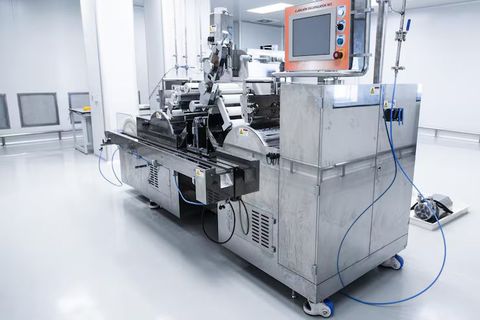
Overwrapping machines are packaging systems designed to wrap products with a thin film, typically for protection, presentation, or tamper evidence. These machines are commonly used in industries such as food, cosmetics, pharmaceuticals, and consumer goods. The wrapping material is often a transparent or printed film, folded tightly around the product and sealed to create a neat outer layer.
The concept of overwrapping has evolved alongside advancements in packaging technology. Early manual wrapping methods have gradually been replaced by automated solutions that improve consistency and efficiency. Today, overwrapping machines are part of a broader category of packaging equipment, often working alongside cartoning and labeling systems.
In simple terms, an overwrapping machine adds a protective outer layer to a product or a group of products. This layer helps maintain product integrity during storage and transportation while also improving shelf appearance.
Importance
Overwrapping machines play a significant role in modern packaging processes. They help address several practical challenges faced by manufacturers, retailers, and consumers.
One major benefit is product protection. The outer film acts as a barrier against dust, moisture, and minor physical damage. This is especially useful for items like boxed goods, confectionery, and personal care products.
Another important aspect is tamper evidence. Overwrapped products are easier to inspect visually, as any interference with the packaging becomes noticeable. This contributes to consumer trust and product safety.
Overwrapping also improves product organization and bundling. For example, multiple items can be grouped together into a single pack, making them easier to handle and transport.
Common uses include:
- Retail packaging, where items like perfumes or medicines are wrapped for display
- Food packaging, where hygiene and freshness are essential
- Multipack bundling, where several units are combined into one package
- Promotional packaging, where products are grouped for special campaigns
By improving efficiency and consistency, overwrapping machines support large-scale production environments and help maintain packaging standards.
Types of Overwrapping Machines
Overwrapping machines are available in different configurations depending on the scale of operation and the type of product being packaged.
Manual Overwrapping Machines
Manual machines require human involvement for placing and wrapping products. They are typically used in small-scale operations or for low-volume production. While they are simple to operate, their output is limited compared to automated systems.
Semi-Automatic Overwrapping Machines
Semi-automatic machines combine manual input with automated wrapping processes. Operators load the products, and the machine handles film cutting, folding, and sealing. These machines are suitable for medium-scale production where some level of automation is needed.
Automatic Overwrapping Machines
Automatic machines handle the entire process, from product feeding to wrapping and sealing. They are commonly used in high-volume production environments. These systems are often integrated into production lines for continuous operation.
Horizontal and Vertical Machines
Overwrapping machines can also be categorized based on orientation:
- Horizontal machines wrap products that are fed along a horizontal conveyor
- Vertical machines are used for products that require upright positioning during wrapping
Each type is chosen based on product shape, size, and packaging requirements.
Uses Across Industries
Overwrapping machines are widely used across multiple industries due to their versatility.
In the food industry, they are used for wrapping confectionery, baked goods, and ready-to-eat items. The wrapping helps maintain hygiene and extends shelf life by reducing exposure to environmental factors.
In the pharmaceutical sector, overwrapping provides an additional layer of protection for medicine boxes. It also supports tamper-evident packaging, which is important for regulatory compliance.
In cosmetics and personal care, products such as perfumes, creams, and soaps are often overwrapped to enhance appearance and protect packaging during handling.
In consumer goods, items like stationery, tobacco products, and electronics accessories are commonly wrapped to ensure safe transportation and organized display.
Example of Industry Applications
| Industry | Common Products | Purpose of Overwrapping |
|---|---|---|
| Food | Chocolates, biscuits | Hygiene and freshness |
| Pharmaceuticals | Medicine boxes | Safety and tamper evidence |
| Cosmetics | Perfumes, skincare items | Protection and presentation |
| Consumer Goods | Stationery, small electronics | Bundling and transport safety |
Recent Updates
In recent years, overwrapping machines have seen steady improvements in automation and sustainability. One notable trend is the integration of smart controls and digital monitoring systems. These features allow operators to track performance, adjust settings, and identify issues more efficiently.
Another development is the shift toward environmentally conscious packaging materials. Manufacturers are increasingly using recyclable and biodegradable films in overwrapping processes. Machines are being adapted to handle these materials without compromising performance.
Energy efficiency has also become an area of focus. Newer machines are designed to reduce energy consumption while maintaining consistent output. This aligns with broader industrial goals related to resource management.
Additionally, modular machine designs are becoming more common. These allow businesses to upgrade specific components rather than replacing entire systems, making it easier to adapt to changing production needs.
Laws or Policies
Overwrapping machines and packaging practices are influenced by various regulations, particularly in industries such as food and pharmaceuticals.
In many countries, packaging must comply with safety and labeling standards. For example, food packaging regulations often require materials that are safe for contact with consumable items. Overwrapping films must meet these standards to ensure consumer safety.
Pharmaceutical packaging is subject to strict guidelines related to tamper evidence and traceability. Overwrapping plays a role in meeting these requirements by providing visible signs of interference.
Environmental policies also affect packaging practices. Governments are encouraging the use of recyclable materials and reducing plastic waste. As a result, companies are adapting their overwrapping processes to align with sustainability goals.
In India, packaging regulations are guided by authorities such as the Food Safety and Standards Authority of India (FSSAI) and environmental rules related to plastic waste management. These frameworks influence how overwrapping materials are selected and used.
Tools and Resources
Several tools and resources can help individuals and organizations understand and manage overwrapping processes more effectively.
Packaging design software allows users to visualize how products will be wrapped and presented. These tools help in planning dimensions, film usage, and layout.
Machine simulation platforms can be used to test different packaging scenarios before implementing them in real production environments. This helps reduce errors and improve efficiency.
Technical documentation and user manuals provided by equipment manufacturers are also valuable. They include guidance on machine setup, maintenance, and troubleshooting.
Industry standards and guidelines published by organizations related to packaging and manufacturing provide useful reference points. These documents help ensure compliance with safety and quality requirements.
Training materials, including online tutorials and workshops, are available for operators and technicians. These resources help improve understanding of machine operation and safety practices.
FAQs
What are overwrapping machines used for?
Overwrapping machines are used to wrap products with a protective film. This process helps improve product safety, appearance, and organization during storage and transportation.
How do overwrapping machines work?
These machines typically feed a product into a wrapping area, where a film is cut, folded around the item, and sealed. The process can be manual, semi-automatic, or fully automatic depending on the machine type.
What industries use overwrapping machines?
Overwrapping machines are used in industries such as food, pharmaceuticals, cosmetics, and consumer goods. They are suitable for products that require protection, tamper evidence, or bundling.
Are overwrapping machines suitable for different product sizes?
Yes, many overwrapping machines are adjustable and can handle a range of product sizes and shapes. Settings can be modified to match specific packaging requirements.
What materials are used in overwrapping?
Common materials include plastic films such as polypropylene and cellulose-based films. Increasingly, recyclable and biodegradable materials are also being used in response to environmental concerns.
Conclusion
Overwrapping machines are an important part of modern packaging systems, providing protection, organization, and improved presentation for a wide range of products. They are used across multiple industries and are available in different types to suit varying production needs. Recent developments highlight a focus on automation, sustainability, and efficiency. Understanding their functions and applications helps clarify their role in everyday packaged goods.