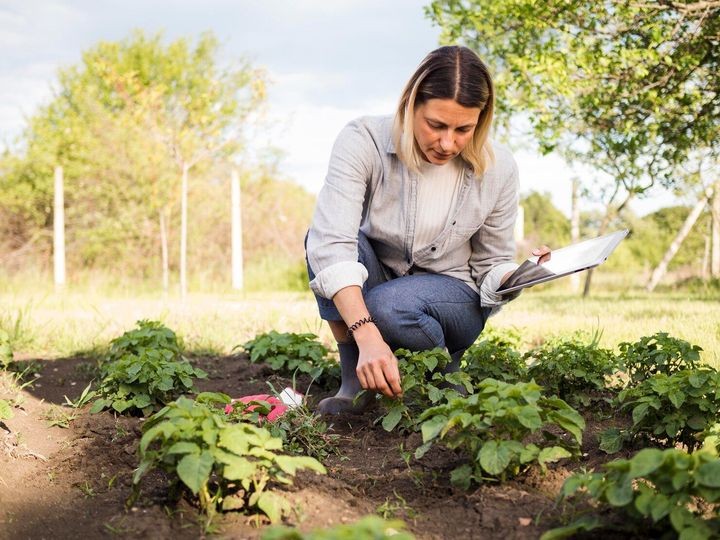
The idea behind organic gardening developed from traditional farming methods used for centuries before chemical fertilizers and pesticides became widespread. Over time, researchers and agricultural experts recognized that soil microorganisms, composting, and natural nutrient cycles play a significant role in maintaining long-term soil productivity.
Organic gardening exists because soil is a living ecosystem. Healthy soil contains microorganisms, beneficial fungi, nutrients, and organic matter that support plant roots. When this ecosystem is balanced, plants often grow stronger and may become more resilient to pests and environmental stress.
Many gardeners adopt organic techniques in home gardens, community gardens, and small farms. The approach emphasizes maintaining soil fertility naturally while reducing environmental impact.
Why Organic Gardening Matters Today
Interest in organic gardening has increased in recent years due to environmental awareness and sustainable agriculture discussions. Soil degradation, water pollution from agricultural chemicals, and biodiversity loss have encouraged researchers and communities to explore natural growing methods.
Organic gardening can influence several areas:
• Soil Health – Compost and organic matter improve soil structure and nutrient availability.
• Environmental Protection – Reduced synthetic chemical use may help limit water contamination.
• Biodiversity – Organic gardens often support pollinators such as bees and butterflies.
• Urban Gardening – Small spaces like balconies and rooftops can support organic plant cultivation.
• Food Awareness – Growing vegetables and herbs helps people understand food production.
Urban gardening trends have also contributed to the popularity of organic methods. Many households use container gardening techniques combined with composting systems to grow herbs, vegetables, and small fruits.
The table below shows common differences between organic gardening and conventional chemical-based approaches.
| Gardening Aspect | Organic Gardening | Conventional Gardening |
|---|
| Fertilizer Source | Compost, manure, plant matter | Synthetic chemical fertilizers |
| Pest Management | Biological control, neem oil, companion planting | Chemical pesticides |
| Soil Health Focus | High priority with organic matter | Often nutrient-focused |
| Environmental Impact | Generally lower chemical runoff | Higher risk of chemical residues |
Organic gardening does not completely eliminate challenges such as pests or nutrient deficiencies, but it encourages ecosystem balance rather than chemical dependency.
Recent Developments and Trends in Organic Gardening
During the past year, several trends have influenced organic gardening practices around the world.
2024–2025 Urban Agriculture Growth
Urban agriculture programs expanded in many cities, including rooftop gardens and community farming projects. Research reports published in 2024 by international agricultural organizations highlighted growing interest in soil composting systems for small spaces.
Smart Gardening Tools
Digital tools have become more common. Soil moisture sensors, automated irrigation timers, and mobile gardening applications now help gardeners monitor plant health and watering schedules.
Regenerative Gardening Practices
In 2025, regenerative gardening practices gained attention. These techniques focus on rebuilding soil organic matter, reducing soil disturbance, and increasing biodiversity through:
• Cover cropping
• Mulching
• Crop rotation
• Compost tea applications
Climate-Adaptive Gardening
Changing climate patterns have encouraged gardeners to adopt drought-tolerant plants and water-efficient irrigation techniques. Drip irrigation systems and rainwater harvesting are becoming common features in organic gardens.
These developments show that organic gardening continues to evolve as technology and environmental awareness expand.
Policies and Regulations Influencing Organic Gardening
Organic gardening practices may also be influenced by agricultural policies and environmental regulations. While home gardeners are rarely subject to strict certification rules, larger organic farms must comply with national standards.
Many countries maintain official organic certification frameworks. These frameworks typically regulate the use of fertilizers, pesticides, and soil management methods.
Examples include:
• National organic farming standards in several countries
• Government-supported composting initiatives
• Urban agriculture policies encouraging rooftop gardening
• Environmental programs promoting soil conservation
In India, the National Programme for Organic Production provides guidelines for organic agricultural products and certification standards. Although the program primarily applies to commercial farming, it helps shape awareness about organic soil management and pesticide restrictions.
Additionally, environmental campaigns in 2024–2025 promoted composting programs to reduce food waste and improve soil health in urban areas.
These policies indirectly support organic gardening by encouraging sustainable practices and soil conservation.
Helpful Tools and Resources for Organic Gardening
Several digital tools and resources can help gardeners manage soil health, plant care, and garden planning.
Gardening Mobile Applications
• PlantNet – Identifies plant species using photos.
• Gardenize – Helps track plant growth and gardening activities.
• PictureThis – Offers plant health insights and identification.
Online Gardening Resources
• Food and Agriculture Organization – Publishes soil health and sustainable farming guides.
• Rodale Institute – Provides research on organic soil management.
Useful Garden Planning Tools
• Soil pH testing kits
• Compost calculators
• Irrigation timers
• Crop rotation planning templates
The table below summarizes common tools used in organic gardening.
| Tool | Purpose |
|---|
| Soil pH Tester | Measures soil acidity and nutrient availability |
| Compost Bin | Converts organic waste into fertilizer |
| Moisture Sensor | Helps monitor soil water levels |
| Garden Planner | Helps organize planting schedules |
Digital tools combined with traditional gardening methods can make it easier to maintain a balanced organic garden ecosystem.
Frequently Asked Questions About Organic Gardening
What is the main principle of organic gardening?
The main principle is maintaining soil health using natural inputs such as compost, organic matter, and biological pest control instead of synthetic chemicals.
Can organic gardening work in small spaces?
Yes. Container gardening, vertical gardens, and balcony gardens can support organic plants using compost-rich soil and natural fertilizers.
How does compost improve soil?
Compost adds organic matter to soil, improving water retention, nutrient availability, and microbial activity that supports plant growth.
Is pest control possible without chemical pesticides?
Many organic gardeners use natural methods such as neem oil, beneficial insects, crop rotation, and companion planting to manage pests.
Does organic gardening require special soil?
Most garden soils can be improved for organic gardening by adding compost, mulch, and organic nutrients over time.
Conclusion
Organic gardening focuses on maintaining a balanced relationship between soil, plants, and the surrounding ecosystem. By emphasizing composting, natural fertilizers, biodiversity, and soil health, gardeners can create sustainable growing environments.
Recent developments such as smart gardening tools, urban agriculture programs, and regenerative gardening practices have expanded the accessibility of organic gardening methods. Government initiatives supporting composting and organic agriculture also contribute to awareness about sustainable soil management.
Although organic gardening requires patience and consistent soil care, the approach encourages long-term environmental sustainability and healthier soil ecosystems. As interest in sustainable food production continues to grow, organic gardening remains an important method for individuals and communities seeking environmentally responsible ways to grow plants.