Munnar vs Ooty: A Comparative Travel Guide
Munnar vs Ooty is a common comparison for travelers exploring hill stations in southern India. Both destinations are located in the Western Ghats, a mountain range known for its biodiversity, tea plantations, and cooler climate compared to surrounding plains. Munnar lies in the state of Kerala, while Ooty, officially called Udhagamandalam, is in Tamil Nadu. Each location developed during colonial times as a retreat from warmer lowland regions.
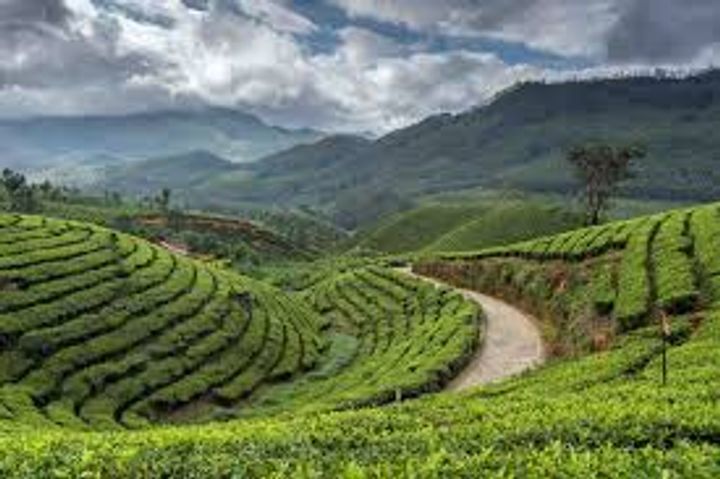
Munnar is characterized by rolling tea estates, mist-covered valleys, and relatively less urban development. Ooty, on the other hand, has a longer history as a hill station with established infrastructure, including botanical gardens, lakes, and rail connections. The comparison of Munnar vs Ooty often focuses on differences in scenery, accessibility, climate, and visitor experience.
Understanding these distinctions helps travelers make informed decisions based on their preferences, whether they seek quiet natural surroundings or structured sightseeing options.
Importance
The topic of Munnar vs Ooty matters because both destinations attract a wide range of visitors, including families, students, nature enthusiasts, and those interested in regional culture. Choosing between them can affect travel planning, time management, and overall experience.
Several practical considerations make this comparison relevant:
- Climate variation affects packing and travel timing, as both locations experience seasonal rainfall and temperature changes.
- Accessibility differs, with Ooty having railway connectivity and Munnar relying more on road transport.
- Activities available at each destination influence how travelers plan their itineraries, such as trekking in Munnar or visiting gardens and lakes in Ooty.
- Environmental impact is also a concern, as both regions are ecologically sensitive and subject to tourism-related pressure.
For many travelers, the decision between Munnar vs Ooty involves balancing convenience, natural beauty, and the type of experiences they want to prioritize.
Recent Updates
Between 2024 and 2026, tourism trends in both Munnar and Ooty have reflected broader changes in travel behavior. There has been a noticeable increase in interest in sustainable tourism practices. Local authorities in both regions have introduced measures to manage visitor flow and protect natural ecosystems.
In Munnar, efforts have focused on limiting construction in ecologically sensitive zones and encouraging responsible trekking practices. Tea plantation tours have also become more structured, with guidelines aimed at preserving the landscape.
Ooty has seen updates in infrastructure, including improvements in road connectivity and maintenance of heritage attractions such as the Nilgiri Mountain Railway. Digital ticketing systems for certain attractions have become more common, helping manage crowds during peak travel periods.
Another trend is the growing popularity of off-season travel. Visitors are increasingly exploring these destinations outside traditional peak months to avoid congestion and experience a quieter environment.
Laws or Policies
Tourism in both Munnar and Ooty is influenced by environmental regulations and state-level policies aimed at conservation and sustainable development.
In Kerala, where Munnar is located, the government enforces rules related to land use in the Western Ghats. These include restrictions on construction in designated eco-sensitive areas and guidelines for waste management. Visitors are encouraged to follow local rules regarding littering and protected forest zones.
In Tamil Nadu, Ooty falls under the Nilgiri district, which has its own set of environmental protections. Authorities regulate traffic during peak seasons to reduce congestion and pollution. Entry to certain natural areas may be controlled to prevent ecological damage.
Both states also promote responsible tourism through awareness campaigns. These policies aim to balance tourism growth with the preservation of natural resources and local communities.
Tools and Resources
Planning a trip comparing Munnar vs Ooty can be simplified using various digital tools and informational resources. These platforms help travelers organize itineraries, check weather conditions, and understand local attractions.
Some commonly used resources include:
- Mapping applications such as Google Maps for route planning and travel time estimates.
- Weather platforms like IMD or AccuWeather to monitor temperature and rainfall patterns.
- State tourism websites for Kerala and Tamil Nadu, which provide details about attractions, entry guidelines, and seasonal information.
- Railway and transport portals for checking train availability to Ooty and bus routes to Munnar.
- Travel forums and review platforms where visitors share experiences and practical tips.
Comparison Table: Key Features of Munnar vs Ooty
| Feature | Munnar | Ooty |
|---|---|---|
| Location | Kerala | Tamil Nadu |
| Altitude | Around 1,600 meters | Around 2,240 meters |
| Main Attraction | Tea plantations and valleys | Gardens, lakes, and heritage sites |
| Accessibility | Road transport | Road and rail connectivity |
| Climate | Mild with heavy monsoon rains | Cooler with moderate rainfall |
| Crowd Levels | Generally less crowded | More structured and busier |
| Activities | Trekking, nature walks | Boating, sightseeing, train rides |
This table provides a general overview to help readers understand the differences between the two destinations.
FAQs
What is the main difference between Munnar vs Ooty?
The main difference lies in their landscape and development. Munnar is known for its tea estates and quieter environment, while Ooty has more structured attractions such as gardens, lakes, and a heritage railway.
Which destination is easier to reach, Munnar or Ooty?
Ooty is generally easier to reach due to its railway connectivity and well-developed road network. Munnar primarily relies on road travel from nearby cities.
Is Munnar or Ooty better for nature-focused travel?
Munnar is often associated with more natural and less urbanized surroundings, making it suitable for those interested in trekking and scenic views. Ooty also offers natural beauty but with more organized tourist spots.
How does the climate compare in Munnar vs Ooty?
Both destinations have cooler climates compared to nearby plains. Ooty tends to be slightly cooler due to its higher altitude, while Munnar experiences heavier rainfall during the monsoon season.
Are there family-friendly activities in Munnar and Ooty?
Yes, both destinations have activities suitable for families. Ooty includes boating, gardens, and train rides, while Munnar offers nature walks and visits to tea plantations.
Conclusion
Munnar vs Ooty is a comparison shaped by geography, infrastructure, and visitor preferences. Munnar emphasizes natural landscapes and a quieter setting, while Ooty provides a mix of scenic beauty and established attractions. Differences in accessibility, climate, and activities influence how travelers plan their visits. Understanding these factors allows individuals to choose a destination aligned with their interests and travel style.