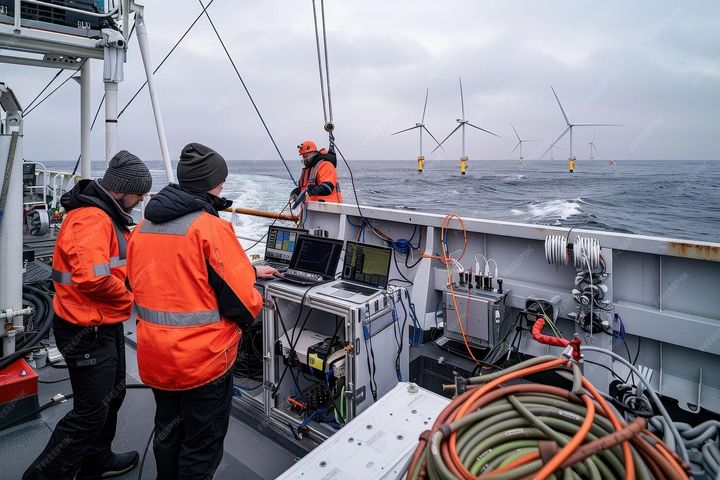
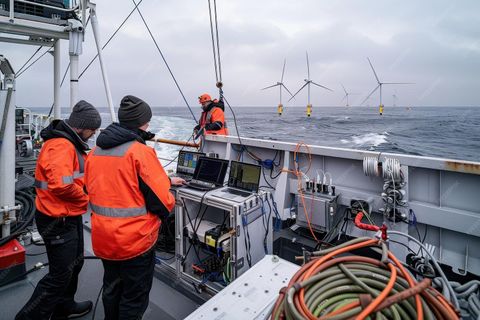
Historically, early ships relied on visual signals such as flags, lights, and semaphore signaling. Radio technology later transformed maritime communication in the early twentieth century, allowing vessels to transmit messages over long distances. Today, digital systems and satellite networks provide global connectivity even in remote ocean regions.
Modern marine communication tools include Very High Frequency (VHF) radios, satellite communication systems, Automatic Identification Systems (AIS), radar communication links, and digital distress signaling systems. These tools allow ships to communicate with nearby vessels, coastal stations, and global maritime monitoring networks.
The development of these systems exists primarily to improve maritime safety and operational efficiency. By enabling ships to share navigation data, weather information, and safety alerts, communication tools help prevent collisions and coordinate responses to emergencies. They also assist with port operations, logistics coordination, and environmental monitoring.
As global maritime trade continues to expand, reliable marine communication systems remain an essential component of safe and efficient ocean transportation.
Importance of Marine Communication Tools in Modern Maritime Operations
Marine communication tools play a crucial role in maintaining safety, efficiency, and coordination across global shipping routes. Every day thousands of vessels travel across oceans carrying goods, energy resources, and passengers. Communication technologies ensure that these vessels remain connected to navigation networks and maritime authorities.
One of the most important roles of marine communication tools is improving safety at sea. Ships can quickly report emergencies, equipment failures, or hazardous conditions using radio distress signals or satellite alert systems. Rescue coordination centers rely on these signals to identify the location of vessels in distress and coordinate search and rescue operations.
Communication tools also assist with collision prevention. Systems such as Automatic Identification System transmit vessel identification, speed, direction, and location to nearby ships and monitoring stations. This allows vessels to maintain safe distances even in crowded shipping lanes or poor visibility conditions.
In addition, marine communication systems support weather monitoring and route planning. Ships receive updates about storms, wave conditions, and navigation hazards through satellite broadcasts and maritime safety information networks. Access to this data helps crews adjust routes and avoid dangerous conditions.
These technologies affect multiple groups, including shipping companies, naval forces, port authorities, fisheries, offshore energy operators, and maritime researchers. For example, offshore oil platforms rely on communication networks to coordinate logistics and safety monitoring. Fishing vessels use communication tools to report catch data and weather conditions.
Overall, marine communication tools solve major challenges related to distance, isolation, and safety at sea. Without these systems, coordinating maritime operations across large ocean regions would be significantly more difficult.
Recent Updates and Trends in Marine Communication Technology
Marine communication technologies have evolved rapidly over the past few years due to improvements in satellite networks and digital communication infrastructure. Several updates between 2023 and 2025 have influenced how maritime communication systems operate.
One significant trend is the growing use of low-earth-orbit satellite networks to support maritime connectivity. These satellites provide faster data transmission and lower communication delays compared to traditional geostationary satellite systems. As of 2024, several maritime communication providers have begun integrating these satellite networks into ship communication systems to improve internet connectivity at sea.
Another development involves the modernization of the Global Maritime Distress and Safety System (GMDSS). International maritime organizations have been updating this system to incorporate modern digital communication technologies. Updates introduced between 2023 and 2024 expanded satellite service providers within the system, increasing global coverage and reliability for distress signaling.
Digital navigation technologies have also improved communication efficiency. For example, newer electronic chart display systems integrate communication data with navigation information, allowing crews to view nearby vessel movements and maritime alerts on a single display interface.
Cybersecurity has become another major focus area. With ships increasingly connected to digital networks, maritime organizations have introduced new cybersecurity frameworks designed to protect navigation and communication systems from digital threats.
The table below highlights several modern marine communication technologies and their primary functions.
| Communication Tool | Primary Function | Common Users |
|---|
| VHF Marine Radio | Short-range voice communication | Ships, coast guards |
| AIS System | Vessel identification and tracking | Shipping vessels |
| Satellite Communication | Long-distance data transmission | Cargo ships, research vessels |
| GMDSS | Distress alerts and safety communication | Maritime authorities |
| Radar Communication Links | Navigation awareness and collision avoidance | Commercial ships |
These developments demonstrate how marine communication continues to adapt to the growing complexity of global maritime operations.
Laws, Regulations, and International Maritime Policies
Marine communication systems operate under a structured set of international regulations designed to ensure safety, reliability, and standardization across global waters. Because ships frequently travel between countries, international organizations coordinate communication standards that apply worldwide.
The International Maritime Organization (IMO) plays a central role in establishing communication rules for maritime operations. One of its key frameworks is the Global Maritime Distress and Safety System (GMDSS), which defines how ships must transmit distress signals and safety alerts.
Ships operating on international voyages must comply with the Safety of Life at Sea (SOLAS) Convention, which includes specific requirements related to communication equipment. These requirements ensure that vessels carry appropriate radios, emergency beacons, and satellite communication systems depending on their size and operational area.
National maritime authorities also enforce communication regulations within territorial waters. These authorities oversee licensing for marine radio frequencies, equipment certification, and compliance monitoring for commercial vessels.
In many countries, maritime communication systems must follow radio frequency management rules established by telecommunications regulators. These policies prevent signal interference and ensure that emergency communication channels remain accessible.
Government programs also support maritime communication infrastructure. For example, coastal monitoring stations, maritime safety information broadcasts, and satellite distress monitoring networks are often operated through partnerships between governments and international maritime organizations.
Together, these regulations create a standardized global communication framework that helps ships communicate effectively regardless of their geographic location.
Tools and Resources for Maritime Communication Knowledge
Several digital tools, applications, and online platforms help maritime professionals and researchers understand marine communication systems. These resources provide information about vessel tracking, communication standards, and maritime safety guidelines.
Vessel Tracking Platforms
Ship tracking websites allow users to monitor vessel positions using AIS data. These platforms display real-time ship movements, routes, and port arrival information. Researchers and maritime analysts often use these tools to study global shipping patterns.
Maritime Weather Information Systems
Weather forecasting tools designed for marine environments provide wave height predictions, wind speed forecasts, and storm tracking information. Ships rely on these tools to plan safer routes and avoid hazardous weather conditions.
Maritime Communication Training Resources
Online learning platforms and maritime training institutions provide educational materials explaining communication procedures, radio protocols, and navigation systems used by ships.
Navigation and Communication Simulators
Simulation software helps maritime students practice communication procedures and navigation scenarios in controlled environments. These simulators recreate real-world maritime conditions and communication challenges.
The following table summarizes commonly used resource categories.
| Resource Type | Purpose |
|---|
| Vessel Tracking Platforms | Monitor global ship movements |
| Marine Weather Systems | Provide ocean weather forecasts |
| Communication Training Materials | Explain radio and satellite communication procedures |
| Maritime Safety Databases | Provide regulations and navigation guidelines |
These tools help maritime professionals stay informed about communication technologies and operational standards.
Frequently Asked Questions About Marine Communication Tools
What are marine communication tools?
Marine communication tools are technologies that allow ships and maritime authorities to exchange information while operating at sea. These tools include radios, satellite communication systems, distress signaling devices, and vessel tracking technologies.
Why are communication systems important for ships?
Communication systems help ships coordinate navigation, receive weather alerts, and send emergency signals. They improve safety by allowing vessels to communicate with other ships and coastal monitoring stations.
What is the role of satellite communication in maritime operations?
Satellite communication enables ships to send and receive information across long distances. This is particularly important when vessels operate far from coastal radio stations.
What is the Global Maritime Distress and Safety System?
The Global Maritime Distress and Safety System is an international framework that defines how ships transmit emergency alerts and safety messages. It ensures that distress signals can be detected and responded to quickly.
How do ships identify each other electronically?
Ships use the Automatic Identification System (AIS), which transmits information such as vessel name, location, speed, and direction. Nearby ships and monitoring stations receive this data to improve navigation awareness.
Conclusion
Marine communication tools form the foundation of modern maritime safety and coordination. From traditional radio systems to advanced satellite networks, these technologies allow vessels to remain connected even in the most remote ocean environments.
As maritime trade continues to grow, the importance of reliable communication systems becomes even more significant. Ships depend on these technologies for navigation safety, weather updates, emergency coordination, and operational management.
Recent technological developments such as advanced satellite connectivity and digital navigation systems are improving communication efficiency across global shipping routes. At the same time, international regulations ensure that vessels follow standardized communication procedures designed to protect lives and maintain maritime order.
Understanding marine communication tools helps illustrate how modern maritime operations function across the world’s oceans. Through continued technological advancement and regulatory cooperation, these systems will remain essential for supporting safe and efficient maritime activities in the years ahead.