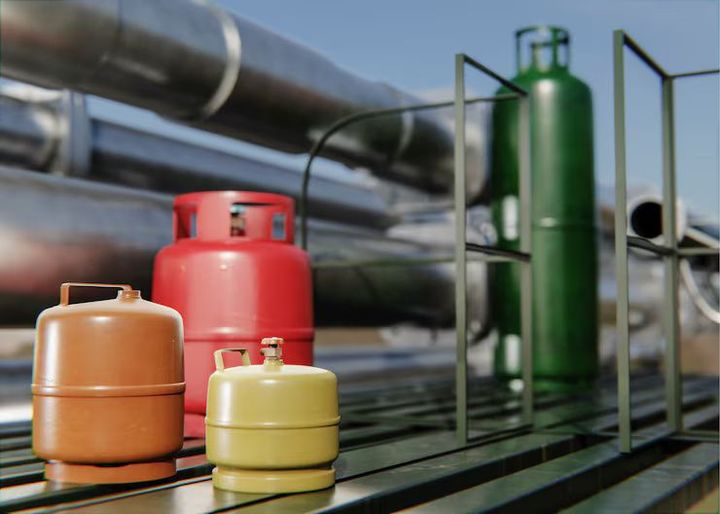
An LPG cylinder filling system includes storage tanks, transfer pumps, automated filling carousel units, leak detection mechanisms, and quality control equipment. Gas bottling plant operations must follow strict LPG safety compliance standards to manage flammable materials responsibly.
As energy demand grows in developing and developed markets, LPG storage tank installation and filling infrastructure remain essential components of fuel distribution networks. Understanding how LPG filling plants operate provides insight into industrial gas handling and supply chain management.
Understanding the LPG Filling Plant Context
LPG is a mixture of propane and butane stored under pressure in liquid form. It is widely used for cooking, heating, and industrial processes.
An LPG filling plant typically includes:
-
Bulk LPG storage tanks
-
Transfer pumps and pipelines
-
LPG cylinder filling system
-
Automated filling carousel
-
LPG leak detection system
-
Pressure testing equipment
-
Fire protection systems
LPG filling plant design ensures that gas is transferred safely from storage tanks to portable cylinders.
Hazardous area classification standards guide equipment placement to reduce ignition risks.
Industrial gas plant regulations require continuous monitoring of pressure, temperature, and gas concentration levels.
These facilities must maintain precise operational control to prevent overfilling or leakage.
Why LPG Filling Plants Matter Today
LPG filling plants support energy access for millions of households and businesses.
They matter because they:
-
Enable safe distribution of cooking fuel
-
Support industrial heating processes
-
Improve rural energy access
-
Provide alternative fuel options
-
Strengthen national energy infrastructure
Gas bottling plant operations are particularly important in regions where pipeline gas infrastructure is limited.
LPG safety compliance standards reduce risks associated with flammable gases.
Automated filling carousel systems improve operational consistency and reduce manual handling.
LPG leak detection systems enhance workplace safety.
In many countries, LPG distribution supports clean cooking initiatives that reduce reliance on traditional fuels.
How LPG Filling Plants Operate
The operational workflow of an LPG filling plant follows a structured process.
Bulk delivery
LPG arrives by tanker trucks or pipelines and is stored in large pressurized tanks.
Cylinder inspection
Empty cylinders are checked for structural integrity before filling.
Filling operation
Cylinders are placed on an automated filling carousel that measures and controls the filling weight.
Leak testing
An LPG leak detection system identifies potential gas escapes.
Pressure testing
Pressure testing equipment verifies cylinder strength and valve performance.
Sealing and labeling
Filled cylinders are sealed and labeled for distribution.
Storage and dispatch
Cylinders are stored temporarily before being transported to distribution points.
LPG storage tank installation and layout must comply with hazardous area classification guidelines.
Gas bottling plant operations require trained personnel and strict adherence to industrial gas plant regulations.
Key Technical Components
LPG filling plant design incorporates several critical systems.
Storage tanks
Designed to withstand high pressure and environmental conditions.
Transfer pumps
Move LPG safely from storage tanks to filling lines.
Automated filling carousel
Ensures accurate filling volumes and consistent throughput.
LPG leak detection system
Monitors gas concentration in operational areas.
Pressure testing equipment
Confirms cylinder durability and valve integrity.
Fire suppression systems
Include water spray, foam systems, and emergency shutdown mechanisms.
Hazardous area classification ensures electrical equipment is explosion-resistant.
Industrial gas plant regulations require regular inspection and maintenance schedules.
Recent Updates and Industry Trends in 2025
In January 2025, industry publications reported increased adoption of automated filling carousel technologies in new LPG filling plant design projects.
In March 2025, safety authorities emphasized enhanced LPG leak detection system requirements for large-scale gas bottling plant operations.
Digital monitoring platforms are now integrated into LPG cylinder filling systems to track performance metrics in real time.
Environmental regulations introduced in 2025 in several countries encourage improved emission control and storage safety.
Advancements in pressure testing equipment have improved inspection efficiency and reliability.
These developments highlight modernization in LPG storage tank installation and operational safety systems.
Laws and Regulatory Framework
LPG filling plants operate under strict legal and safety regulations.
Industrial gas plant regulations typically govern:
-
Storage tank design standards
-
Hazardous area classification requirements
-
Cylinder inspection procedures
-
Emergency response planning
-
Environmental compliance
In the United States, federal and state safety authorities regulate LPG safety compliance standards.
In the European Union, pressure equipment directives influence LPG storage tank installation and testing.
In India, petroleum and explosives regulatory authorities oversee gas bottling plant operations.
Regulations often require:
Compliance ensures operational safety and public protection.
Tools and Resources for LPG Filling Plant Management
Operators use various technical tools to maintain safe and efficient operations.
Helpful resources include:
-
LPG safety compliance standards manuals
-
Hazardous area classification guidelines
-
Digital monitoring dashboards
-
Pressure vessel inspection checklists
-
Emergency response planning templates
Engineering software supports LPG filling plant design modeling.
Gas concentration sensors and monitoring apps provide real-time safety data.
Training programs help personnel understand industrial gas plant regulations.
Technical documentation from regulatory authorities provides operational guidance.
These tools support continuous improvement in gas bottling plant operations.
Frequently Asked Questions
What is an LPG filling plant?
It is a facility where bulk LPG is transferred into cylinders for distribution.
How is safety maintained in LPG filling plants?
Safety is ensured through leak detection systems, pressure testing equipment, and fire suppression systems.
What is hazardous area classification?
It defines zones where flammable gases may be present and requires specialized equipment.
Why is pressure testing important?
Pressure testing equipment verifies that cylinders can safely hold LPG under pressure.
Are LPG filling plants regulated?
Yes, industrial gas plant regulations and safety standards govern storage, handling, and distribution.
Conclusion
LPG filling plants are essential components of modern energy distribution networks. Through careful LPG filling plant design, automated filling carousel systems, and advanced LPG leak detection systems, these facilities ensure safe and efficient cylinder filling operations.
In 2025, technological upgrades in digital monitoring and pressure testing equipment continue improving operational reliability. Strict LPG safety compliance standards and hazardous area classification requirements guide facility design and maintenance.
Understanding gas bottling plant operations, industrial gas plant regulations, and available safety tools provides valuable insight into LPG infrastructure. With structured procedures and adherence to regulatory frameworks, LPG filling plants support reliable fuel distribution while maintaining high safety standards.